

Anker, the technology company founded over a decade ago, has built a reputation for delivering reliable portable charging solutions. Now the company is making a serious move into home backup power with its Solix line of battery systems. For shoppers facing power outages or seeking energy independence, understanding what these systems can and cannot do is essential before investing.
The Reality of Home Power Needs vs. Battery Capacity
The average American household consumes roughly 30 kilowatt-hours of electricity daily, according to energy data. That figure represents the total power draw across all appliances, heating, cooling, lighting, and devices running simultaneously. When evaluating any backup battery system, this baseline matters enormously because it shows why a single portable unit cannot sustain an entire home for extended periods.
Anker’s mid-range portable power stations store approximately 1.2 kilowatt-hours. That means a single unit could theoretically run your entire house, but only for about one hour before the battery depletes. For most households facing a power cut, one hour provides minimal protection. However, these portable systems excel at keeping specific essentials operational, which is where their real value emerges for budget-conscious shoppers.
Scaling Up: The Anker E10 Modular System
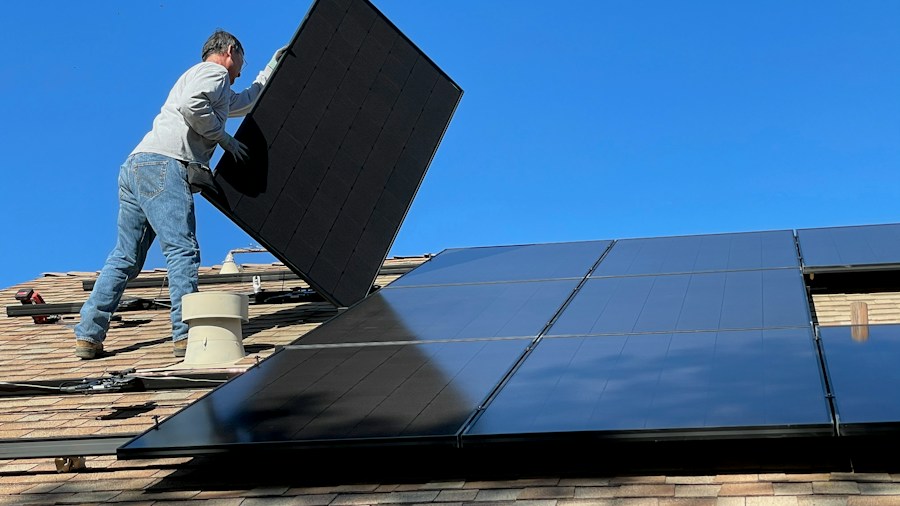
For those seeking true whole-home coverage, Anker’s Solix E10 represents a more realistic approach. This modular system starts with 6 kilowatt-hours of storage per battery unit. The critical advantage is expandability: additional batteries can be stacked to increase total capacity, with a maximum configuration reaching 30 kilowatt-hours. That matches the daily consumption of an average US home, making full-day coverage theoretically possible.
The E10 system becomes even more practical when paired with solar panels. Shoppers in regions with consistent sunlight can recharge the battery system during the day, extending runtime indefinitely for essential loads. However, this scalability comes at a price. A basic single-battery E10 setup costs nearly $4,000, while a fully expanded five-battery configuration exceeds $20,000. These systems target homeowners prioritizing energy resilience over initial affordability.
Portable Power Stations for Essential Needs
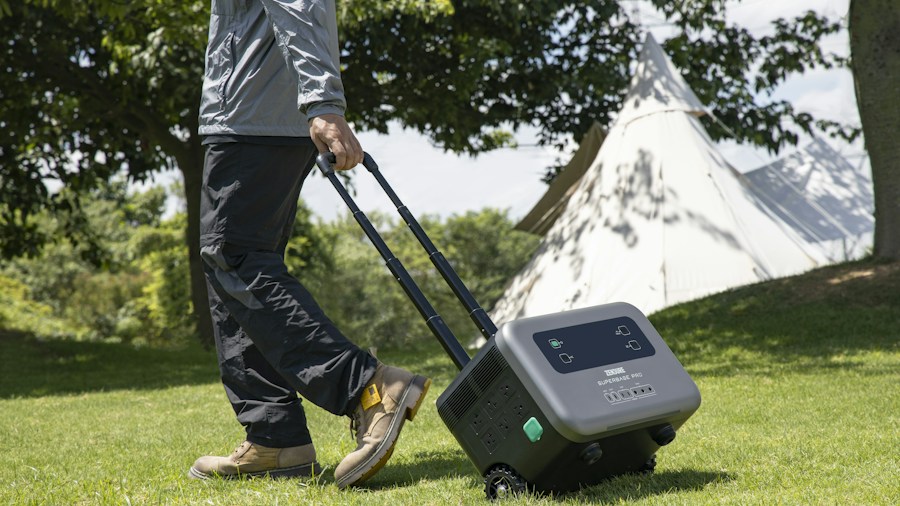
Most shoppers face budget constraints, and Anker addresses this reality through the Solix portable power station lineup. The C2000 model stores 2 kilowatt-hours and carries a price tag around $700, representing a significant savings compared to whole-home solutions. While the C2000 cannot power an entire house for extended periods, it handles critical loads effectively.
Consider practical applications: a 2-kilowatt-hour battery keeps a standard refrigerator running for approximately 12 hours, protecting food and medicines during outages. Internet connectivity proves even more resilient, with the same battery powering a typical router for about 200 hours. This means your Wi-Fi and essential communications remain operational long after other appliances fail. For remote workers, this extends productivity during power cuts.
What This Means for Shoppers Today
Anker’s expanded battery lineup offers genuine flexibility across different budgets and needs. Shoppers no longer face an all-or-nothing choice between expensive whole-home systems and inadequate portable chargers. The company’s reputation for reliable charging technology extends naturally into backup power, giving consumers confidence in product durability.
For apartment dwellers or renters, portable power stations provide practical protection without permanent installation. Homeowners considering energy independence can invest incrementally in the E10 system, adding battery modules as budgets allow. The modular approach eliminates the need to purchase everything upfront.
Anker’s move into home battery backup reflects broader trends toward residential energy autonomy. As extreme weather events disrupt electrical grids more frequently, backup power transforms from luxury to practical necessity. The company has positioned itself as a credible player in this expanding market.
Before purchasing any system, evaluate your actual power priorities. Full-home operation requires significant investment and capacity. Essential-load protection through portable stations offers better value for most households. Anker’s recent recognition for innovative technology suggests the company will continue refining these solutions. Monitor your typical usage patterns, identify truly critical appliances and devices, and match that requirement to the appropriate battery system. This realistic approach ensures your backup power investment actually serves your household’s actual needs.











Write Your Review
No reviews yet. Be the first to share your experience!