

After nearly five decades of production, Toyota is saying goodbye to the current generation Supra. The 2026 model year marks the final chapter for the A90 generation, which first debuted in 2019. While enthusiasts mourn the end of an era, the story behind this farewell reveals something fascinating about how Toyota develops its sports cars and what comes next.
The Final Edition Celebrates Supra Heritage
Toyota produced just 300 examples of the 2026 GR Supra Final Edition to commemorate the end of this generation. Only 150 units were allocated to the European market, with the remaining 150 going to Japan. The United States received extremely limited availability, making this special edition a rare find for domestic buyers.
The Final Edition pumps up the performance compared to standard models. Instead of the typical 382 horsepower and 368 pound-feet of torque, Toyota cranked the turbocharged 3.0-liter straight-six to 429 horsepower and 420 pound-feet. Importantly, Toyota resisted the temptation to swap in a larger engine, staying true to the Supra’s 48-year legacy of straight-six power mounted in front and rear-wheel drive in back.
The BMW Connection and What It Means
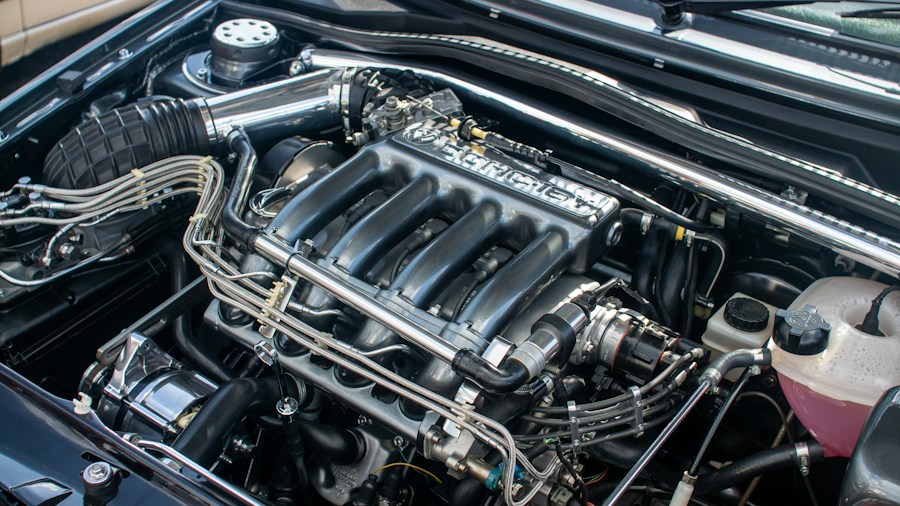
The A90 Supra you know today came from a strategic partnership between Toyota and BMW roughly 14 years ago. The two companies co-developed a shared sports car platform that underpinned both the current Supra and BMW’s Z4. Toyota sourced BMW’s 3.0-liter turbocharged B58 straight-six engine and subjected it to rigorous testing for power, reliability, and durability certification.
While some skeptics initially dismissed the A90 Supra as merely a BMW wearing Toyota badges, the partnership actually kept the sports car faithful to its heritage. The fundamental formula remained unchanged: front-engine, rear-drive, and inline-six power. For buyers concerned about reliability, the extensive engineering validation Toyota performed on the B58 offers reassurance that this engine platform is proven and enduring.
Three Drastically Different Racing Engines, One Street Legal
What most buyers don’t realize is that Toyota fields three completely different engines across its racing programs, yet only the straight-six is street legal. This engineering versatility highlights Toyota’s motorsport commitment and product development philosophy.
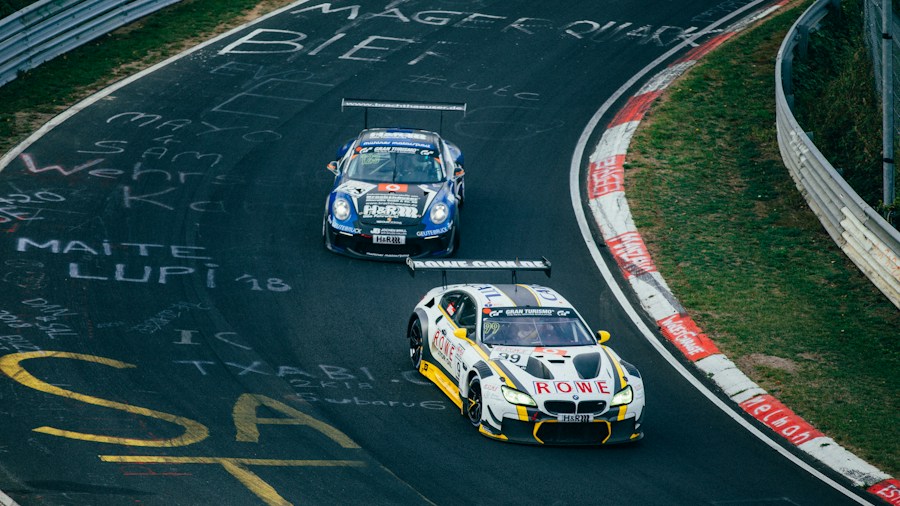
In customer racing series like IMSA and SRO GT4, the GR Supra GT4 EVO uses a turbocharged version of the production B58. Modified with race-specific turbochargers, ECU remapping, and custom exhaust manifolds, this engine produces between 430 and 500 horsepower depending on balance-of-performance regulations. It delivers the same fundamental character as the street car but optimized for endurance racing.
In Japan’s elite Super GT championship, things get radical. Toyota abandons the six-cylinder design entirely in favor of a specialized 2.0-liter turbocharged four-cylinder. Running under strict governing body regulations, this high-revving engine generates over 600 horsepower using extreme boost levels and direct injection. The interesting part: Toyota frequently tests race engines before introducing production versions. The turbocharged three-cylinder that appeared in certain models followed this exact pattern.
On the drag strip, Toyota’s NHRA Funny Car Supra operates in a different realm entirely. Powered by a 500-cubic-inch nitromethane-fueled supercharged V8 producing 11,000 horsepower, this purpose-built race engine propels the carbon-bodied shell past 330 mph in under four seconds. It shares zero components with any production vehicle.
What Comes Next for Toyota Sports Car Buyers
The Supra’s retirement doesn’t signal the end of Toyota’s sports car ambitions. The company has confirmed the development of performance-focused alternatives with hybrid technology and turbocharged four-cylinder engines that deliver competitive power figures. Additionally, Toyota is clearly committed to maintaining its performance vehicle lineup as it transitions into the electrified future.
Internal development prototypes indicate Toyota is reviving the Celica nameplate with a high-output 2.0-liter turbocharged four-cylinder engine derived from the GR Yaris platform. Hybrid assistance could push output near 400 horsepower, while an all-wheel-drive GR-FOUR system would echo the legendary GT-Four models from the 1990s. Toyota is testing both manual and automatic transmissions to cater to different driver preferences.
Looking Even Further Ahead: Hydrogen Power
Perhaps most intriguingly, Toyota is developing hydrogen-powered engines for future race cars. The automaker announced plans in late 2024 for a hydrogen-powered GT3 race car, targeting a 2028 debut. Unlike conventional hydrogen fuel cell vehicles that generate electricity, this experimental 3.5-liter V6 burns hydrogen directly in a combustion engine to produce 871 horsepower while keeping the engine design largely conventional. This technology likely won’t reach public roads soon, but it demonstrates Toyota’s willingness to explore alternative fuel sources for performance applications.
For buyers considering a Supra purchase, the Final Edition represents the last chance to own this iconic generation before it becomes a collectible. While the platform retires, Toyota’s sports car pipeline remains active, promising that enthusiasts won’t go without thrilling options for long.











Write Your Review
No reviews yet. Be the first to share your experience!