

Engine Problems Reported on 2025 Tundras Despite Toyota’s Recall Efforts
Toyota’s recent engine recall for the Tundra has addressed known defects in 2022 through 2024 model years, but a troubling pattern is emerging among early 2025 owners. Seven individuals have filed complaints with the National Highway Traffic Safety Administration describing engine failures in their 2025 Tundras, even though this model year is not included in Toyota’s official recall list. Five of those complaints were submitted in 2024 alone, raising questions about whether the automotive manufacturer’s fixes have truly solved the underlying problem.
The central issue involves the V35A twin-turbo V6 engine, which has been plagued by machining debris that can damage main bearings and lead to catastrophic engine failure. Tundra V6 teardowns have revealed additional cooling system and structural concerns that extend beyond the original recall scope. Toyota has issued three separate recalls since identifying the problem, affecting over 258,000 trucks combined. The latest recall additions included models built through August 5, 2024, but production after that date reportedly received an improved main bearing design.
What the 2025 Complaints Reveal
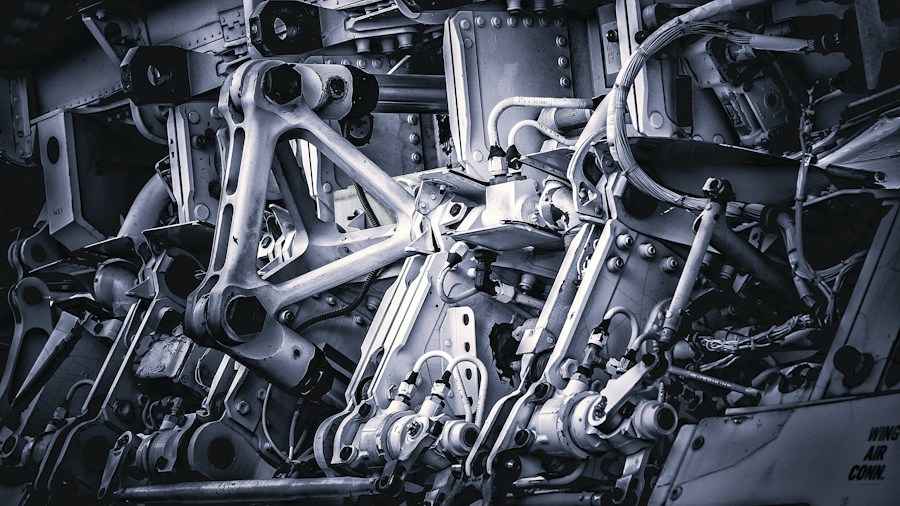
The most serious complaint involves a 2025 Tundra 1794 owner whose engine lost all power while traveling at highway speed on a Houston freeway with their daughter in the vehicle. Following a complete engine teardown, the dealer identified extensive damage requiring replacement of the engine block and most internal oil-wetted components. Despite the severity of the failure and the obvious parallels to the recalled defect, the dealership explicitly stated the problem was not related to Toyota’s official recall. The owner also bore the cost of towing and noted seeing multiple other Tundra trucks at that dealership awaiting engine repairs.
Other documented cases include a total engine seizure on an interstate highway covered under powertrain warranty, with repair service not scheduled for over 35 days after failure. A third owner experienced highway-speed engine seizure and directly attributed it to machining debris, calling it identical to the recalled defect. A fourth reported bearing failure at highway speed that left the engine unable to restart.
Recent testing procedures have highlighted how challenging engine validation has become for manufacturers, yet these 2025 failures suggest that validation may still be incomplete. The complaints themselves are unverified by federal regulators and cannot definitively prove the engines contain the recalled defect. However, they do establish a pattern worth monitoring by potential buyers and current owners.
What This Means for Buyers and Owners

For those considering a 2025 Tundra, the absence of an engine recall is not absolute assurance against problems. While seven failures represent a small number statistically, they indicate that engine issues may persist even with Toyota’s stated improvements. Buyers should be aware of the warning signs that herald engine trouble: engine knocking, rough idle, difficulty starting, or sudden loss of power while driving. These symptoms demand immediate dealer attention rather than waiting for scheduled maintenance.
Current 2025 Tundra owners should document everything related to engine performance. If any warning signs appear, visit a dealer promptly and request written explanation of any findings. Keep all repair orders and maintenance records. If engine failure does occur, file a formal complaint with the National Highway Traffic Safety Administration, as these complaints help regulators identify whether a broader pattern exists. This documentation becomes critical if future recalls are issued or if warranty disputes arise.
Prospective buyers exploring new Tundra options should factor engine reliability into their decision timeline. The current situation underscores the value of waiting for additional real-world data to accumulate before purchasing a newly redesigned generation, particularly one with a new engine variant that carries historical defect baggage from earlier years.
Toyota’s Position and Next Steps
Toyota has maintained that engines manufactured after the recall cutoff date received design improvements intended to prevent bearing failure. The company has not publicly addressed the specific 2025 complaints or acknowledged whether additional investigation is underway. This silence leaves owners and potential buyers without official clarity about root causes or future remediation plans.
The responsibility now falls on vigilant owners and regulatory scrutiny. Complaints filed with safety regulators create the data trail that can trigger formal investigations if a genuine pattern emerges. By reporting problems promptly and thoroughly documenting them, affected owners help protect future buyers and pressure Toyota toward complete transparency and remediation.






Write Your Review
No reviews yet. Be the first to share your experience!