

Double Coin has announced the RLB406, a new closed-shoulder drive tire engineered for commercial truck fleets running long-haul and regional routes. The tire launches in late fourth-quarter 2026 and brings significant improvements in tread depth and durability compared to earlier offerings in the company’s fuel-efficient lineup.
Key Features Built for Fleet Performance
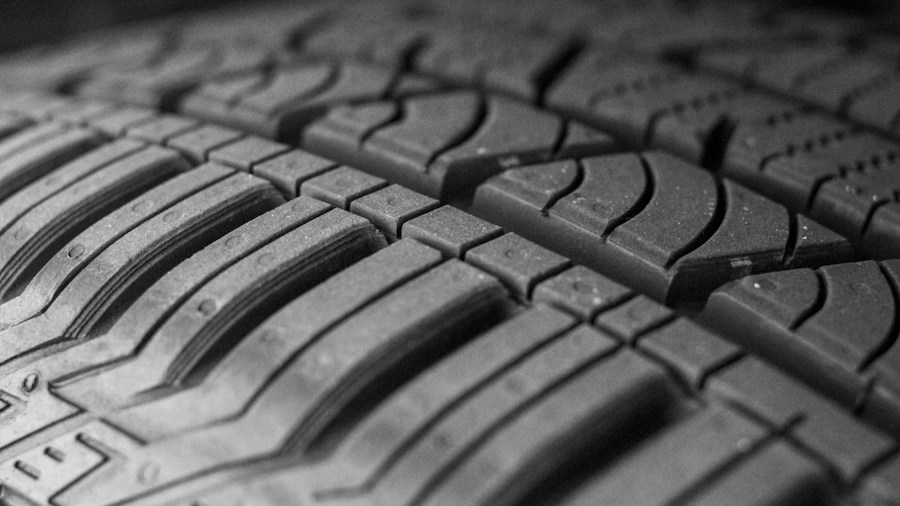
The RLB406 stands out with a 28/32-inch tread depth, delivering 17% more usable original tread than Double Coin’s previous fuel-efficient drive tire. This extra-deep design directly translates to longer tire life, which matters significantly when you’re managing fleet maintenance budgets and downtime. The extra tread depth helps the tire perform reliably across varying job conditions, from highway miles to regional delivery work.
The tire’s closed-shoulder design paired with an extra-wide footprint creates a stable contact patch that supports consistent traction and even wear. This engineering approach means fleets can count on dependable performance whether they’re navigating highway traffic or handling variable road surfaces in regional service areas.
Design Built for Multiple Retreads
One of the most practical benefits for cost-conscious fleet managers is the RLB406’s casing design, which accommodates multiple retreads. This retreadability extends the total service life of each tire casing substantially, directly reducing your per-mile tire costs. Double Coin backs this durability promise with a 7-year warranty and a 3-retread guarantee, giving fleets confidence in their long-term investment.
The ability to retread multiple times is particularly valuable in commercial operations where tire replacement frequency can strain budgets. Fleet purchasing decisions increasingly hinge on total cost of ownership and long-term value, and the RLB406 addresses both concerns through its durable casing construction.
Fuel Efficiency and Fleet Compliance
The RLB406 carries SmartWay verification, a critical credential for fleet managers working to meet fuel-efficiency targets and reduce operating costs. SmartWay certification means the tire has been independently tested and verified to reduce rolling resistance, which directly lowers fuel consumption across your fleet’s operations.
This efficiency focus matters beyond the pump. Reduced fuel consumption also means lower emissions per mile, supporting corporate sustainability commitments that many large fleets now track and report. Tire makers continue raising the bar on sustainability performance, and the RLB406 fits into that broader industry shift toward greener commercial products.
Availability and Sizing Options

The RLB406 will roll out in four specific sizes, giving fleet managers options without overwhelming the market with endless fitment variations. This focused size strategy typically means faster inventory availability and better pricing consistency once production ramps up in early 2027.
Early planning matters here. Fleet managers should discuss sizing needs with their tire suppliers now to secure timely allocation when the tire officially launches. The commercial tire market moves fast, and popular sizes tend to experience high demand quickly.
What This Means for Commercial Buyers
The RLB406 announcement signals that tire makers are doubling down on total cost of ownership value for commercial fleets. With fuel costs and tire replacement cycles directly impacting fleet budgets, a drive tire that delivers longer life, better efficiency, and retreadability addresses real operational pain points.
If you operate a commercial fleet or manage transportation costs, the RLB406 deserves consideration once it becomes available. The combination of extra tread depth, closed-shoulder stability, and SmartWay certification creates a compelling value proposition. Strategic innovation in tire technology continues reshaping what buyers should expect from their tire investments, and this new offering reflects that competitive drive to deliver better performance and value.
Talk with your tire dealer or fleet supplier about specifications and pricing as launch approaches. Early adopters often benefit from better allocation and partnership discounts, particularly with commercial tire specialists who prioritize long-term fleet relationships.









Write Your Review
No reviews yet. Be the first to share your experience!