

The Super Sport designation has been synonymous with Chevrolet performance for nearly seven decades. What began as a two-letter badge in the mid-1950s evolved into one of American automotive history’s most storied performance lineages. Understanding this heritage can help today’s shoppers appreciate what the SS name has always represented: genuine performance wrapped in accessible packages.
How the SS Badge Started
The journey began in 1956 when Chevrolet produced a single SS-badged Corvette, marking the first vehicle ever to wear those letters. Built on a tubular steel frame inspired by the Mercedes-Benz 300 SL, this competition vehicle featured a 4.6-liter small-block V8 with fuel injection and an aluminum cylinder head. Only one example was ever made, yet it established a tradition that would span generations of Chevrolet models.
By the early 1960s, the SS concept found its way onto mainstream vehicles. The 1961 Impala SS introduced affordable performance to average buyers, featuring a 409 cubic-inch V8 that outran European sport sedans. This approach defined a uniquely American philosophy: serious engines in ordinary-looking family cars.
Muscle Car Icons
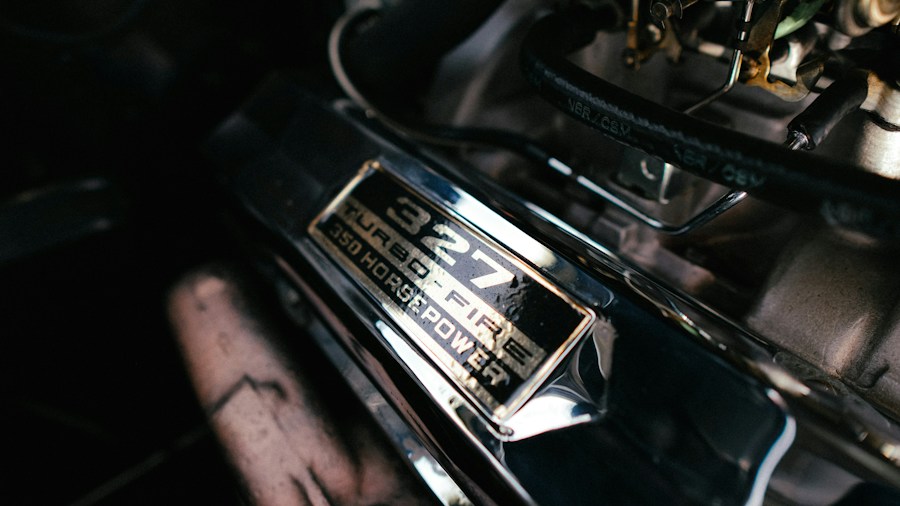
The 1960s and 1970s saw the SS badge reach its cultural peak. The 1964 Malibu SS offered bucket seats and V8 power in a two-door configuration that appealed to young drivers. The 1970 Nova SS became legendary as a sleeper, with conservative styling hiding a 396 cubic-inch big-block V8 that delivered 375 horsepower. Of the 274,000 Nova models produced that year, only 19,000 were SS variants, making them highly collectible today.
The Chevelle SS 454 stands as perhaps the most celebrated muscle car ever badged with SS. Introduced to combat high-displacement Mopar competitors, it featured the largest engine Chevrolet had ever installed in a production vehicle: a 7.4-liter LS6 with forged steel internals. Its power exceeded even the contemporary Corvette, and collectors continue seeking pristine examples decades later.
The 1971 Camaro SS represents another iconic chapter. This pony car offered sport-tuned suspension, blacked-out grille work, and a choice between 350 and 455 cubic-inch V8 engines. Its proportions and stance remain instantly recognizable and admired among vintage car enthusiasts.
SS Expands Beyond Traditional Platforms
What many buyers forget is that the SS badge eventually appeared on unexpected vehicles. The 2005 Silverado 1500 SS transformed the full-size pickup into a hot rod, lowering the ride height and adding a naturally aspirated 6.0-liter V8. With sport-tuned suspension and monotube shocks, this truck could actually accelerate with performance credentials comparable to classic muscle cars.
The 2006 Silverado Intimidator SS paid tribute to NASCAR legend Dale Earnhardt with exclusive badging, custom headrests, and a rear spoiler. Though mechanically identical to the standard SS Silverado, its limited production and special significance make it a unique piece of Chevrolet history.
The Tuner Generation
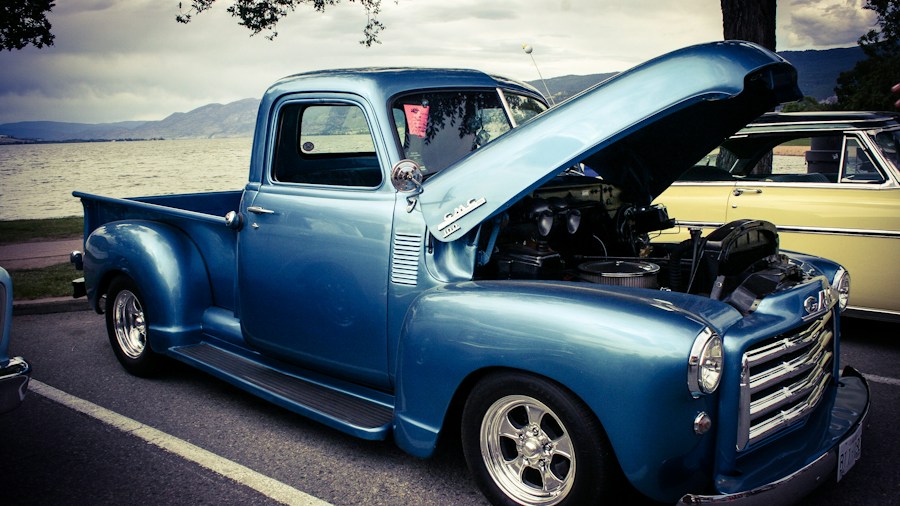
In 2008, Chevrolet surprised enthusiasts with the Cobalt SS, targeting the tuner and enthusiast segment directly. Unlike earlier sleepers, the Cobalt SS was deliberately compact and accessible to younger buyers. The turbocharged 2.0-liter four-cylinder engine could lap the Nürburgring race track at speeds comparable to the BMW E46 M3, proving that SS performance transcended displacement. This period marked a shift in how performance was evaluated, moving beyond raw cubic inches to turbocharging efficiency.
What This Means for Today’s Buyers
The SS story reveals how Chevrolet consistently democratized performance. Rather than reserving power for expensive, exclusive vehicles, the brand placed capable engines in affordable models that regular customers could actually purchase. The El Camino SS combined truck utility with car-like handling. The Impala SS brought muscle car thrills to family sedan shoppers.
Modern buyers interested in performance heritage should recognize that SS designation historically meant genuine engineering upgrades, not just cosmetic changes. Understanding what separates real performance upgrades from styling packages remains valuable today, whether shopping for vintage models or modern variants.
Today’s collector market heavily favors original SS models, particularly low-production variants. The Nova SS, Chevelle SS 454, and Camaro SS command significant premiums. Even modern Cobalt SS examples attract dedicated enthusiasts willing to invest in preservation and modifications.
The Chevrolet SS legacy demonstrates that American performance doesn’t require exotic engineering or excessive cost. It requires vision: the willingness to place impressive mechanical hardware into vehicles that ordinary drivers could afford. That philosophy, born in 1956 with a single race car and refined through decades of muscle cars, pickups, and compact turbocharged sedans, remains relevant for understanding automotive performance today.











Write Your Review
No reviews yet. Be the first to share your experience!