

Ford’s Quiet Return to Japan and Its Implications for the Global F-150
Ford is making a strategic move in Japan after years of absence from that market, but the approach is entirely different from the traditional dealership model. Rather than launching a retail network, Ford’s Global Fleet Sales division has partnered with a Japan-based firm called Space Factory to bring trucks including the F-150 to government agencies, military forces, and humanitarian organizations across the country. This development signals Ford’s confidence in the F-Series lineup’s capability and durability in demanding work environments.
What makes this expansion noteworthy for American truck buyers is what it reveals about Ford’s global strategy. The company is prioritizing mission-critical applications and fleet operations in markets where retail consumer sales may not be viable. This approach underscores the universal appeal of vehicles like the F-150, which are now positioned to handle everything from disaster relief to defense operations in one of the world’s most demanding markets.
The Lineup Being Offered to Japanese Buyers
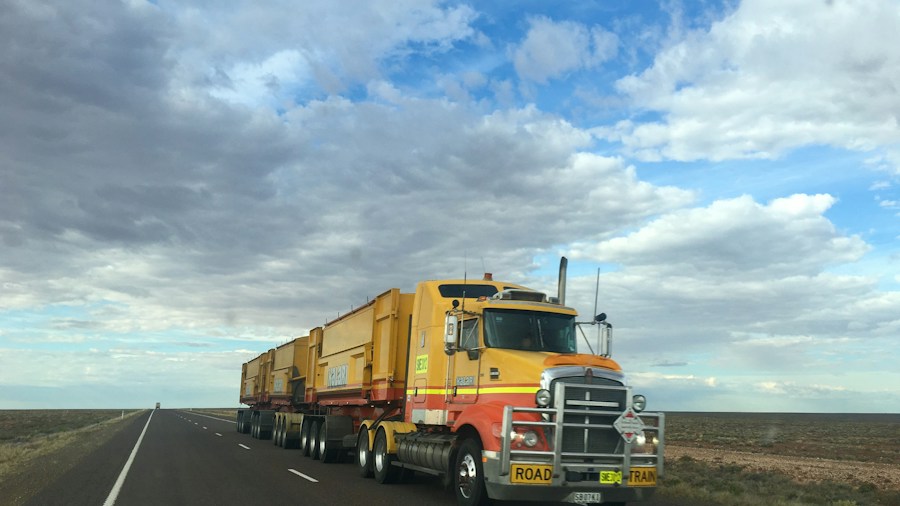
Ford’s Japanese fleet program will include a comprehensive range of light and medium-duty vehicles. The portfolio spans from the compact Ranger pickup truck to the full-size F-150, as well as larger commercial models like the F-250, F-350, F-450, and F-550 Super Duty trucks. The Everest SUV and Transit van round out the offering. This diverse lineup reflects Ford’s confidence that its truck family can serve multiple operational needs, from search and rescue to emergency response and humanitarian aid delivery.
The Ranger Super Duty emerges as a star performer in the Japanese fleet portfolio. This model delivers impressive capabilities with up to 4,370 pounds of payload capacity and a maximum towing rating near 10,000 pounds when properly configured. For humanitarian and defense applications, these numbers matter significantly. A truck capable of towing nearly 10,000 pounds can transport relief supplies and specialized equipment into challenging terrain where standard pickups cannot venture.
How the Partnership Will Work
Three organizations are splitting responsibilities to make this arrangement function smoothly. Global Fleet Sales, a subsidiary of RMA Group, supplies the actual vehicles and technical expertise. Space Factory, staffed by technicians trained on Ford service protocols, manages customer coordination, vehicle importation, Japanese registration, delivery, and long-term service support. Meanwhile, RMA Special Vehicles, based in Thailand, will perform mission-specific customizations including ambulance conversions, emergency response packages, and extreme off-road modifications.
The customization work is particularly interesting because it involves tailored upgrades such as advanced communications systems, specialized lighting, storage solutions, enhanced suspension, and custom electrical configurations. This build-to-order model means each vehicle is designed to match specific operational requirements rather than coming off a production line in a standardized format.
What This Means for Truck Buyers and F-150 Demand
While Japanese government and defense fleets are the immediate target, this expansion has broader implications for the F-150 market. Ford’s willingness to invest in infrastructure and partnerships in a new region reinforces the company’s commitment to the truck segment globally. As F-150 market shifts impact pricing and stock availability, understanding Ford’s global expansion helps explain why the company continues to invest heavily in truck development and manufacturing capacity.
The timing is also worth noting. Ford is demonstrating that strong demand for trucks extends well beyond North America. This validates continued F-Series investment and suggests that American manufacturers maintain a significant competitive advantage in the pickup segment worldwide. For shoppers considering their truck options, knowing that Ford is confident enough to expand internationally is a signal of product reliability and market demand.
Specifications Will Be Project-Specific
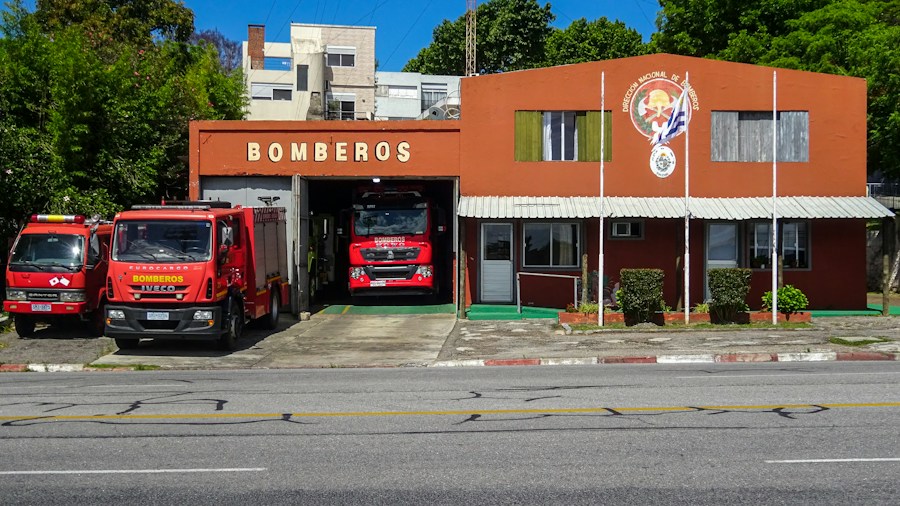
Notably, there is no one-size-fits-all approach. Vehicle specifications, availability, and configurations will be assessed project by project against Japanese regulatory and registration requirements. What works for one ministry may not automatically qualify for another buyer. This flexibility demonstrates how modern commercial truck operations require customized solutions, a principle that applies equally to American fleet operators and commercial truck buyers.
Pricing, delivery timelines, and order volumes have not been announced. The initial rollout will focus on establishing operational references and gathering performance data before scaling up. Production sources will also be determined on a project basis, meaning different customer orders could source vehicles from different manufacturing plants depending on logistics and demand.
The Bigger Picture for American Truck Enthusiasts
Ford’s return to Japan through its fleet channel illustrates the global competitiveness of American truck engineering. While other manufacturers face scrutiny and competitive pressures in emerging markets, Ford is using its proven lineup to establish a foothold in Japan’s commercial vehicle sector. As you evaluate your own truck purchase options, particularly if considering an F-150, recognize that the vehicles earning trust in demanding international operations are the same models available in your market. Additionally, competition remains fierce: GM eyes F-150 Raptor competitor for 2027, signaling the intensity of the pickup truck segment.
This strategic move positions Ford as a truly global truck manufacturer, not merely a domestic player. The company’s confidence in exporting its vehicles and service capabilities to demanding environments abroad translates directly into the reliability and capability you can expect from an F-150 or other Ford truck purchased here in the United States.










Write Your Review
No reviews yet. Be the first to share your experience!