

Ford Racing is making a major comeback to the world’s most demanding motorsport stage. The company has announced its return to the World Rally Championship (WRC) as a factory team starting in 2028, marking the first time in 16 years that Ford will compete at this elite level. For car enthusiasts and potential buyers, this announcement carries real significance beyond the racetrack.
A Legendary Rally Heritage
Before launching its 2028 campaign, Ford is celebrating the nine iconic rally cars that defined its competition legacy over nearly six decades. The journey began with the 1968 Escort Mk I, a vehicle that proved small doesn’t mean weak. This nimble performer won the World Cup Rally in 1970, an epic 40,000-kilometer journey from London to Mexico City, and claimed Ford’s first WRC victory in Finland in 1973. Its success came down to versatility: competitors with any budget could find a racing category suited to their needs.
The Escort Mk II arrived next, securing the 1979 driver and manufacturer championships plus another driver’s title in 1981 with Ari Vatanen. Then came the revolutionary 1985 RS200, a mid-engined, four-wheel-drive machine that represented a radical departure from road-car-based racers. Though the RS200 showed enormous promise, the outlawing of Group B racing in 1987 cut its career short.
Turbocharged Era and Modern Success
The Sierra RS Cosworth rolled onto stages in 1987 with a turbocharged 2.0-liter engine, proving that podium finishes didn’t require all-wheel-drive systems. Its lighter successor, the Escort RS Cosworth (1993), dominated rallies with five outright wins in its first season alone.
Ford’s modern rally dominance came with the Focus RS WRC, which claimed two victories in 1999 and went on to rack up 16 total wins. The Mk II Focus WRC brought further refinement in 2005, delivering a stronger shell and superior aerodynamics that earned eight wins in 2006 plus the manufacturer championship, Ford’s first since 1979.
The Fiesta WRC, introduced in 2011, brought Ford’s turbocharged 1.6-liter EcoBoost engine to rally competition and achieved the trifecta in 2017: drivers, codrivers, and manufacturer championships all in one season. Most recently, the Puma Rally1 entered competition in 2022, featuring a hybrid powertrain and synthetic fuel technology. The car proved immediately competitive, winning Rally Monte Carlo in its debut.
What This Means for Buyers Today
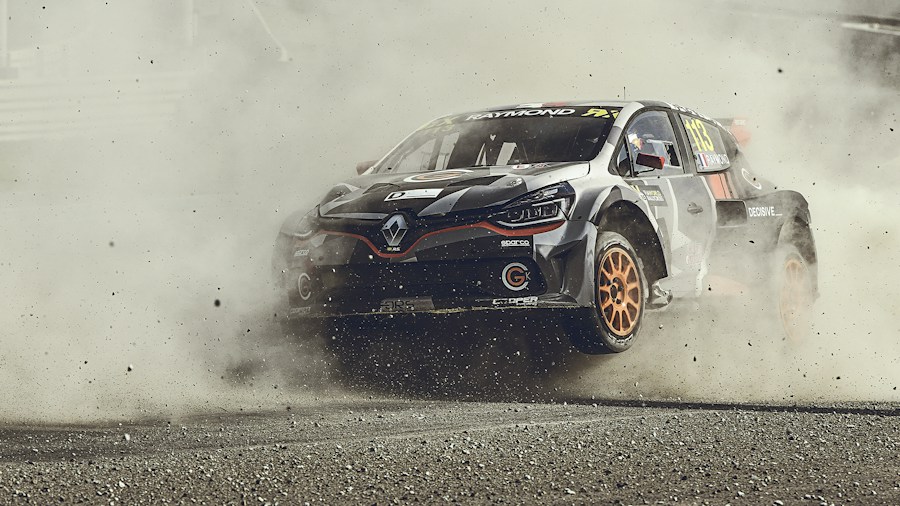
Ford’s rally success translates directly to real-world benefits for consumers. Race programs push engineering limits and deliver innovations that eventually trickle down to production vehicles. The performance, durability, and reliability proven on the toughest roads on Earth often become standard features in Ford’s lineup.
The company’s commitment to returning to the WRC signals confidence in its engineering capabilities and a dedication to performance-focused development. This matters whether you’re considering a future electric or hybrid Ford model or a traditional performance vehicle. Ford’s racing heritage demonstrates that the brand views competition as a proving ground for technology that benefits everyday drivers.
Currently, M-Sport Ford continues fielding the Puma Rally1 in sanctioned competition. Despite occasional rumors about the partnership, the team remains active and competitive through 2026, maintaining Ford’s presence in the sport during the lead-up to the 2028 factory team debut.
Looking Forward to 2028
The decision to return as a factory team after a 16-year absence represents a significant investment in motorsport. It also signals Ford’s intention to remain a player in automotive performance at the highest levels. When the factory effort launches in 2028, expect the company to leverage decades of combined experience from its legendary rally program.
For shoppers interested in performance-oriented Fords, this commitment to competitive racing reinforces the brand’s engineering credibility. Race programs like the WRC are where automakers test new powertrains, materials, and chassis technologies under the most extreme conditions imaginable. What works on Welsh mountain stages and Finnish forest roads often becomes the backbone of the next generation of high-performance production vehicles.
Whether you’re a motorsport fan or simply someone who appreciates what competition-proven engineering means for reliability and performance, Ford’s return to the World Rally Championship is news worth noting. The company’s nine-car legacy in rallying provides the foundation for what comes next, and 2028 promises to be an exciting year for the brand’s racing ambitions.







Write Your Review
No reviews yet. Be the first to share your experience!