

Glacier National Park Considers Limited Snowmobile Permits for Homeowners
For nearly five decades, residents living within Glacier National Park’s boundaries have faced a significant winter transportation challenge. A proposed policy change could soon alter that reality. Park leadership is now evaluating special-use permits that would allow roughly 80 property owners, known as inholders, to access their homes via snowmobile during winter months when roads remain closed to motorized vehicles.
The situation stems from a unique circumstance: several private residences exist within Glacier’s boundaries because they were established before the park’s official designation. While these homeowners must follow park regulations, they have been unable to use motorized transportation to reach their properties during winter. This restriction means residents have relied exclusively on foot travel, skis, or dog sleds, an increasingly impractical solution for year-round access.
Background of the Snowmobile Ban and Resident Pushback
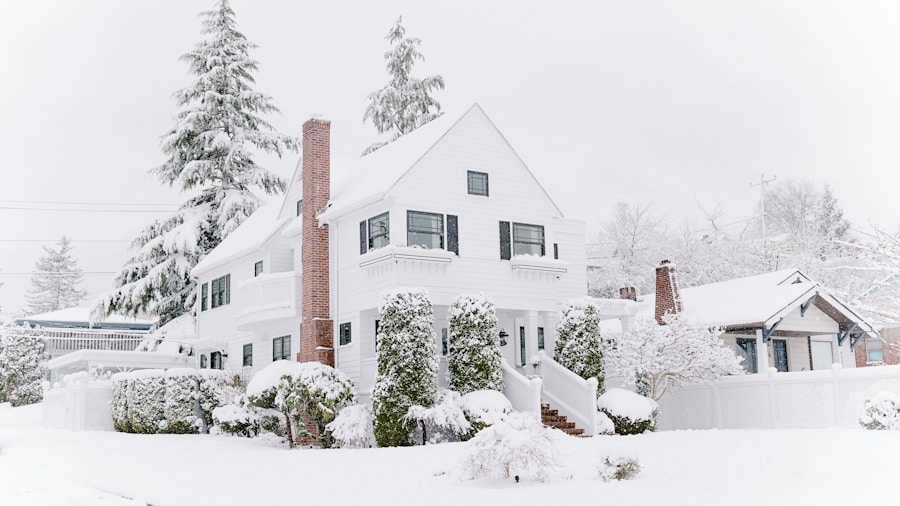
Glacier National Park implemented a snowmobile ban in 1975, a policy that has remained controversial among inholders ever since. The restriction has sparked decades of legal battles and political advocacy. One notable case involved a longtime property owner who fought through federal court in the early 2000s, backed by the Mountain States Legal Foundation, seeking winter motorized access to his home just three miles north of the park’s entrance. The courts ultimately ruled against him, upholding the park’s authority to maintain the ban.
Despite these setbacks, resident advocacy has persisted. Park Superintendent David Roemer recently indicated that park officials are actively exploring solutions. According to park communications, the administration is investigating special-use permits specifically designed for inholders that would permit non-commercial motorized access and potentially snowplow use to private residences.
What Special-Use Permits Would Mean for Homeowners
If approved, the permit system would represent a significant departure from the current absolute ban. Property owners could apply for permits allowing them to operate snowmobiles to access their homes during winter. Additionally, permits might enable snowplow operations, allowing residents to reach their properties by truck or sport utility vehicle instead of relying solely on winter sports equipment.
Importantly, these permits would be strictly limited to personal use. Commercial operations would remain prohibited, meaning residents could not conduct snowmobile tours or recreational businesses within the park. The permits would be valid only for commuting between the park’s gates and private residences, with no recreational riding allowed. This distinction separates the potential Glacier arrangement from what occurs in other national parks where guided snowmobile tours operate.
Current Status and Ongoing Evaluation

Park officials have emphasized that no final decisions have been made regarding permit issuance. Park spokesperson Autumn Sifuentes stated that the administration is currently evaluating potential options and assessing environmental and operational impacts. The decision-making process includes consideration of which activities, roads, routes, gate locations, conditions, and restrictions might apply if permits are approved.
This cautious approach reflects the complexity of balancing park preservation with resident access needs. Environmental assessments will likely examine impacts on wildlife, vegetation, and park infrastructure. Operational reviews will consider logistics, enforcement, and administrative requirements for managing a new permit system.
What This Means for Snowmobile Buyers and Winter Access
For residents awaiting a decision, potential permit approval could fundamentally change winter living conditions. Homeowners might soon justify purchasing snowmobiles as essential transportation rather than recreational equipment, making winterization and maintenance considerations more practical. If permits include snowplow provisions, property owners could also invest in appropriate vehicles and equipment for winter maintenance.
The outcome could also influence broader conversations about private property rights within federal lands. As manufacturers continue developing new powersports technologies, park management decisions about motorized access become increasingly relevant to industry stakeholders. Snowmobile manufacturers and retailers have long sought expanded access opportunities in national parks and protected areas.
Residents and stakeholders should monitor park communications for updates on the permit evaluation process. If approved, application procedures, permitting timelines, and specific conditions will need clarification. Property owners interested in this development should document their residency status and prepare necessary information for potential permit applications. Local powersports retailers can provide guidance on equipment selection and winter preparation should permits become available.
While uncertainty remains, the willingness of park leadership to explore solutions represents meaningful progress in a decades-long resident advocacy effort. The coming months will reveal whether Glacier National Park ultimately joins the small group of parks accommodating limited motorized winter access for property owners.






Write Your Review
No reviews yet. Be the first to share your experience!