

Toyota’s domination of the midsize pickup market is about to face its biggest challenge yet. The automaker shipped 274,638 Tacomas last year, a record that represented a 42.4% jump over 2024, with the Tacoma Hybrid accounting for nearly 31,000 of those sales. That commanding position has not gone unnoticed, and now Hyundai is preparing to enter the segment with a body-on-frame pickup designed specifically to win over truck buyers accustomed to Toyota’s approach.
Hyundai’s Entry Strategy: Winning Over Tacoma Owners
Hyundai confirmed its midsize pickup plans at an investor event in September 2025 and officially previewed the vehicle’s platform through the Boulder Concept at the 2026 New York International Auto Show. The company aims to launch the production truck before 2030, expanding its current pickup lineup beyond the Santa Cruz, which has been a unibody model since 2021.
Olabisi Boyle, Hyundai’s product planning chief for North America, was candid about the company’s target market: owners of the Tacoma and competing trucks who are looking for durability and reliability. These buyers keep their trucks for 10 to 15 years and prioritize practical features over flash. “We would have to conquest, to some degree,” Boyle told reporters, acknowledging that Hyundai has never captured a loyal body-on-frame pickup buyer base before.
The challenge is significant but clear. The Tacoma, along with rivals like the Chevrolet Colorado, Ford Ranger, GMC Canyon, and Jeep Gladiator, has set a high bar. Hyundai’s strategy centers on proving its credibility in frame and chassis engineering while identifying areas where the current segment leaders may fall short. “We have to capitalize on where the leaders are already weak,” Boyle explained, adding that dependability and proven performance matter most to these practical buyers.
What Makes This Truck Different
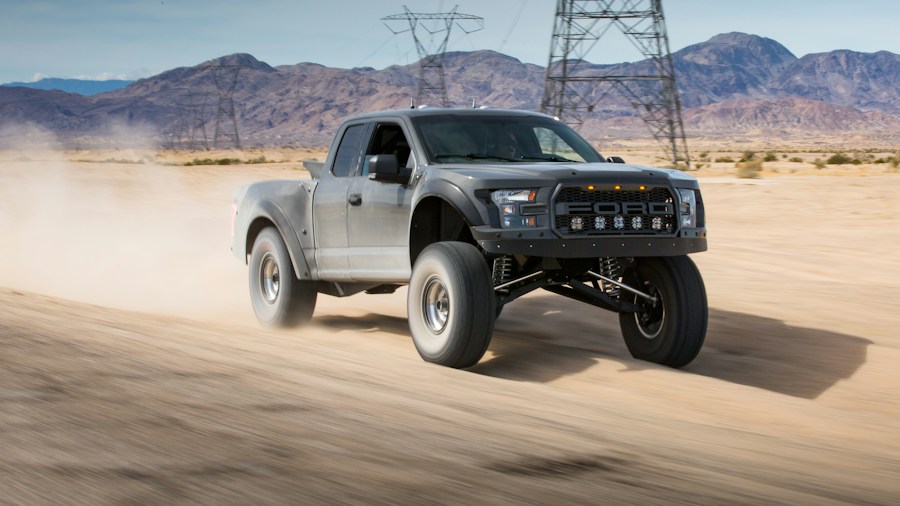
Hyundai’s boulder concept demonstrated the company’s commitment to serious off-road capability, sitting on 37-inch mud-terrain tires and built on a dedicated body-on-frame architecture. More importantly, the company has committed to assembling the truck in the United States, using American-made steel. This domestic manufacturing strategy should resonate with buyers who value supporting local production.
Beyond traditional truck buyers, Hyundai recognizes an underserved demographic: women shoppers who want the same rugged capability but with better accessibility. Boyle noted that female customers aren’t asking for a lower ride height, but rather practical solutions for easier entry and exit. “Grab handles everywhere” became the company’s design philosophy for addressing this feedback. This focus on inclusivity could differentiate Hyundai’s truck in a market where many competitors have overlooked this consideration.
Hyundai’s approach also differs significantly from how the company developed the Santa Cruz. The Boulder Concept and production plans suggest a deeper commitment to meeting and exceeding the capability standards set by established competitors. Randy Parker, Hyundai Motor North America’s CEO, called the opportunity a “significant growth” initiative, emphasizing that body-on-frame trucks remain central to the American market.
Market Implications for Shoppers
The entry of Hyundai into the midsize pickup segment could reshape buyer expectations and pricing. Toyota’s record Tacoma sales suggest strong demand, but that volume also indicates an opportunity for a credible alternative. With the 2027 Tacoma continuing to offer manual transmission options, Toyota is catering to enthusiasts, while Hyundai will likely target buyers seeking a different value proposition.
For current and prospective Tacoma owners, Hyundai’s incoming truck represents real competition that may influence pricing, warranty offerings, and standard features across the segment. The company has yet to announce specific sales targets or trim levels, but Boyle indicated that Hyundai is “studying pretty hard” to understand exactly where it can capture market share. The fact that the company is investing in this direction, rather than simply importing an existing global truck platform, signals genuine confidence in the American market’s appetite for new alternatives.
What Shoppers Should Expect
Launch is targeted for before 2030, giving Hyundai several years to refine the design and engineering. The company has committed to building the truck domestically, suggesting production capacity will be meaningful from day one. When it arrives, shoppers can expect a vehicle engineered specifically for American buyers, with an emphasis on capability that challenges the Tacoma’s established reputation.
The midsize pickup market has remained relatively stable in terms of major players, but Hyundai’s entry could accelerate innovation in areas like technology integration, efficiency, and cabin comfort. For truck buyers currently considering a Tacoma or any competitor, the knowledge that the segment is evolving and expanding may influence timing on a purchase decision. Waiting to see what Hyundai delivers could reveal new features or value propositions worth considering.











Write Your Review
No reviews yet. Be the first to share your experience!