

Segway Powersports is entering one of the world’s most demanding off-road racing events for the first time, and it’s bringing serious firepower. The manufacturer has announced that two race-prepared Super Villain UTVs will compete in the 59th edition of the Baja 1000, piloted by drivers Jacob Zuccone and Justin He. The event, kicking off November 13 in San José del Cabo, Baja California Sur, Mexico, represents a major milestone for the company’s motorsports division and signals growing confidence in their UTV platform.
For consumers considering off-road vehicles, Segway’s Baja 1000 entry is worth paying attention to. The event serves as the ultimate proving ground for vehicle durability, performance, and engineering. A manufacturer willing to risk their reputation on nearly 1,000 miles of punishing desert terrain demonstrates genuine confidence in their product. The Super Villain platform has already competed in several demanding races during the 2026 SCORE World Desert Championship season, including King of the Hammers, the Mint 400, the Silver State 300, and Vegas to Reno. Each event provided critical data and refinement opportunities that Segway Factory Racing used to prepare for this final championship round.
The Super Villain UTV Platform Explained
The Super Villain is powered by a 1.0-liter turbocharged four-cylinder engine producing 235 horsepower. This is a far cry from Segway’s original personal mobility devices, reflecting how far the company has evolved in the powersports space. The platform has been purpose-built for high-performance desert racing, incorporating lessons learned from a full season of competitive events.
The Baja 1000 represents an entirely different challenge compared to the races Segway has already tackled. As the longest non-stop rally raid in the world, it demands exceptional reliability, driver endurance, and mechanical sophistication. If the Super Villain platform proves competitive at this level, it validates the engineering and manufacturing capabilities behind these vehicles. Similar innovations across the UTV market continue pushing performance boundaries, with manufacturers consistently raising the bar for power and capability.
What the 2026 Baja 1000 Means for This Year’s Race
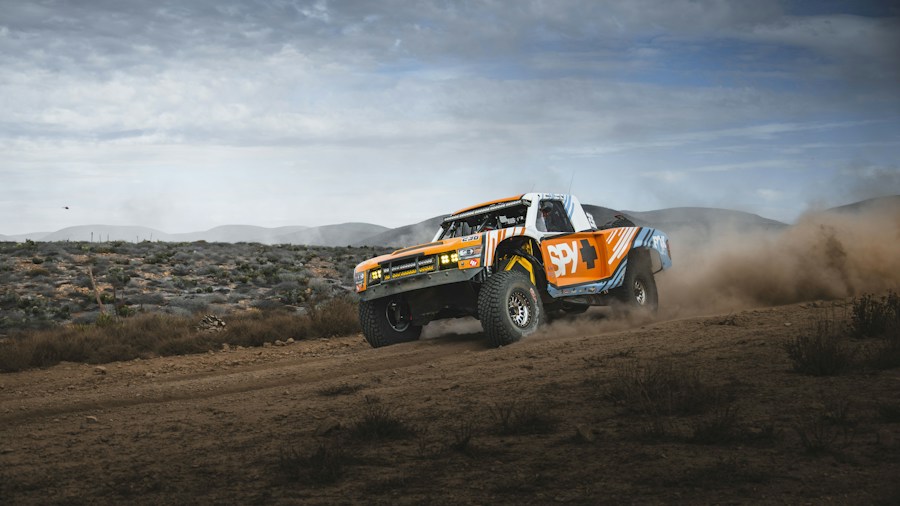
This year’s Baja 1000 features a historic change in course layout. For the first time in the event’s 59-year history, the entire route will remain within Baja California Sur rather than crossing into the northern portion of the state. The nearly 1,000-mile course will traverse desert, mountain, and coastal terrain before finishing back in San José del Cabo. This consolidation changes the nature of the race slightly but does nothing to reduce its difficulty or significance as a validation tool for vehicle engineering.
The race serves as the final round of the 2026 SCORE World Desert Championship, making it especially important for manufacturers using the event to showcase their capabilities. A strong showing here can influence buying decisions among consumers who value proven performance and reliability in extreme conditions.
Why This Matters for UTV Buyers
When a manufacturer commits resources to competing in marquee racing events, it signals several important things. First, they believe their product can withstand extreme stress and deliver consistent performance. Second, they’re willing to subject their engineering to public scrutiny and competitive comparison. Third, they’re gathering real-world data that informs future product improvements available to retail customers.
The development trajectory of the Super Villain demonstrates this principle in action. Starting with events like King of the Hammers and the Mint 400, Segway progressively tested their platform in more demanding competitions. Each race provided performance metrics and failure points that engineers could address before tackling the ultimate test. The broader UTV market continues expanding with new engine options and capabilities, giving consumers more choices than ever.
For shoppers evaluating UTV options, watching how manufacturers perform in recognized racing series like SCORE provides valuable insight into vehicle quality and engineering philosophy. A company taking their platform to the Baja 1000 is making a bold statement about confidence in their product. Whether the Super Villain finishes or encounters challenges, the experience will yield data that informs the consumer versions these manufacturers eventually offer to the market.
Segway’s entry into desert racing also reflects broader industry trends. The UTV category continues attracting new entrants and spurring competitive innovation, with manufacturers across different backgrounds investing in performance and capability. This competition ultimately benefits consumers through improved products and more diverse options.
What to Watch at the Baja 1000
The race begins November 13 and will provide the first meaningful opportunity to evaluate Super Villain performance against the desert’s toughest challenges. Driver performance matters, but vehicle reliability often proves decisive in events of this magnitude. A successful finish would represent a significant achievement for Segway Powersports and could influence consumer confidence in the brand’s UTV offerings. Conversely, mechanical issues or other problems would serve as valuable data points for future development.
For anyone interested in high-performance off-road vehicles, following how new manufacturers perform in established racing events like the Baja 1000 offers genuine insight into product quality and engineering competence. Segway’s first-time entry into this elite event deserves attention from anyone considering their UTV offerings.











Write Your Review
No reviews yet. Be the first to share your experience!