

A fascinating restoration project at a North Carolina museum showcases exactly why classic motorcycles continue to captivate enthusiasts and buyers alike. The recent complete rebuild of a 1946 Harley-Davidson flathead engine reveals both the durability of vintage two-wheelers and the specialized knowledge required to bring them back to life, offering important lessons for anyone considering entering the classic motorcycle market.
The Discovery and Initial Assessment
The motorcycle arrived as a barn find at the Wheels Through Time Museum in Maggie Valley, North Carolina, where expert restorers regularly handle vintage American machines. What made this particular project noteworthy was the engine’s apparent condition upon initial inspection. Many original factory-fitted Harley-Davidson components remained intact and usable, suggesting minimal prior disassembly. However, closer examination revealed several surprises that would complicate the rebuild process and demonstrate the hidden wear that can lurk beneath a vintage motorcycle’s surface.
Hidden Damage Beneath the Surface
During disassembly, the restoration team discovered that while many hardware pieces appeared factory-original and untouched, the internal cylinders told a different story. The rear cylinder had been machined and fitted with an oversized piston measuring 70 thousandths of an inch larger than original specifications. The front piston was 60 thousandths larger and featured a broken piston ring along with significant carbon buildup, indicating a previous failure that had never been properly addressed. These findings highlight a critical reality for prospective buyers: vintage motorcycles often come with hidden mechanical compromises that require expert evaluation before purchase.
What This Means for Shoppers
For buyers interested in classic motorcycles, this restoration underscores the importance of having any used vintage machine thoroughly inspected by qualified specialists. A seemingly clean engine exterior can mask internal modifications, repairs, and wear patterns that affect both performance and value. Investing in a pre-purchase inspection by knowledgeable technicians can reveal whether you’re acquiring an original, low-mileage gem or a machine that has undergone previous rebuilds and modifications. If you are interested in vintage motorcycles, you might also want to explore Hailwood’s legendary Honda motorcycle heading to auction, which represents another fascinating piece of two-wheeler history.
The Rebuild Process and Precision Requirements
Once the inspection was complete and all components removed for cleaning, the restoration crew began the meticulous reassembly process. Working with an 80-year-old flathead engine requires understanding both historical manufacturing practices and modern precision standards. Unlike contemporary multi-cylinder automotive engines, flathead designs appear deceptively simple on the surface. However, assembly demands careful attention to subtle specifications and tolerances that were challenging even when the motorcycle was originally manufactured. The team combined new parts with carefully restored original components, creating a cohesive engine ready for operation.
The cylinder heads required additional bench work to ensure proper assembly. Each component needed to be positioned and fitted according to specifications that, while documented, demanded hands-on expertise to execute correctly. This level of technical skill explains why professional restoration shops command premium pricing for vintage motorcycle work.
The Value of Professional Expertise
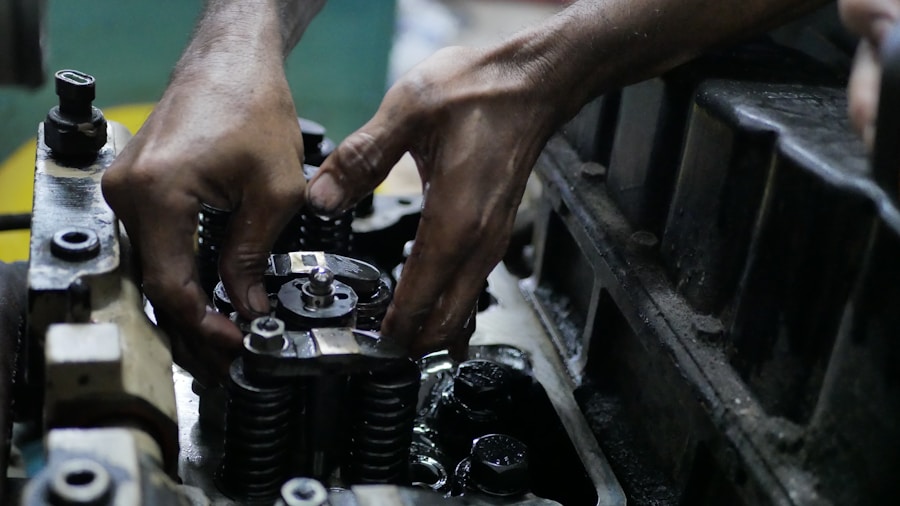
Watching experienced restorers work provides valuable education for anyone considering motorcycle ownership or restoration projects. The complete rebuild process for this flathead, while edited to 40 minutes of final footage, actually encompasses days of careful work. Professionals understand the intricacies that amateur enthusiasts might overlook, from proper torque specifications to assembly sequences that prevent damage to irreplaceable vintage components. If you want to stay current with innovations in motorcycle technology, consider reading about new lithium batteries for motorcycle riders now available, which shows how classic bikes can benefit from modern upgrades.
Making Smart Purchasing Decisions
For buyers entering the vintage motorcycle market, this restoration offers several practical takeaways. First, condition assessments require professional scrutiny beyond visual inspection. Second, original components carry significant value, but modifications and replacements are common in aged machines. Third, budget accordingly for necessary rebuilds when calculating true ownership costs. Classic motorcycles demand respect for their mechanical complexity and history.
Whether you are drawn to the engineering of vintage flathead designs or simply appreciate classic American motorcycle heritage, understanding what proper restoration entails helps you make informed purchasing decisions. Unique motorcycles like this Sonic-inspired machine heading to auction demonstrate the diverse appeal of collectible bikes across the market. The lesson from this flathead rebuild is clear: when investing in vintage motorcycles, professional expertise and thorough inspection should guide your choices.









Write Your Review
No reviews yet. Be the first to share your experience!