

The Wisconsin Department of Natural Resources has put forward a significant proposal that could reshape how riders and passengers enjoy side-by-sides in the state. The new regulations would prohibit open containers of alcohol in both utility terrain vehicles and all-terrain vehicles, regardless of whether the person holding the drink is operating the vehicle or sitting as a passenger. Currently, Wisconsin law makes it illegal to drive while intoxicated, but the state has no explicit ban on open containers within the cab or seating area of these machines.
Why This Matters for Wisconsin Riders
For decades, Wisconsin riders have operated in a legal gray area where a passenger could legally hold an open beer while the driver focused on the trail or off-road terrain. The distinction between being intoxicated and simply having an open container has created confusion about what is actually legal in these vehicles. This proposed change would eliminate that ambiguity by making it clear that no one, driver or passenger, can possess an open alcoholic beverage while inside a UTV or ATV.
The timing of this proposal reflects a troubling trend in accident statistics. Alcohol-related fatalities in UTV and ATV accidents have climbed significantly, accounting for 43 percent of all fatal crashes involving these vehicles in Wisconsin during the most recent year. That statistic underscores why regulators believe closing this legal loophole is essential for public safety on and off designated trails.
How This Affects Your Purchase Decisions
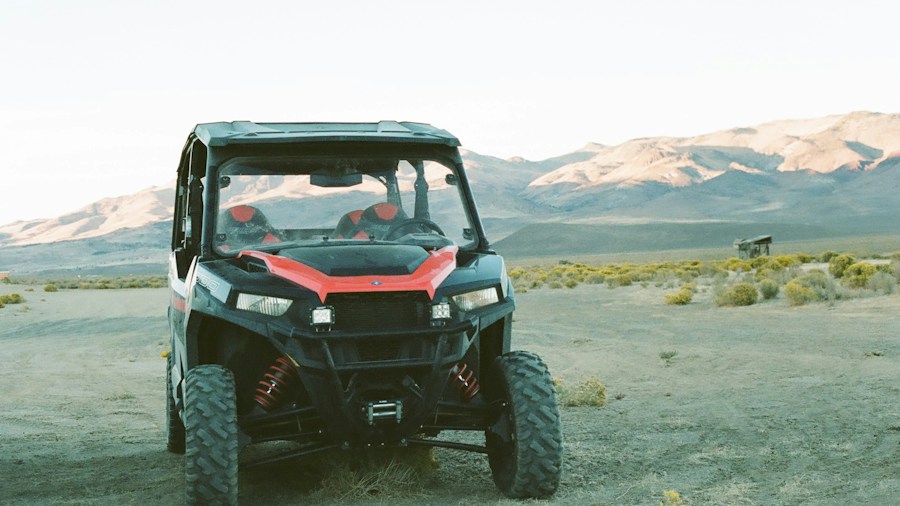
If you are in the market for a UTV or considering how you will use one in Wisconsin, understanding this proposed regulation is important. Many off-road enthusiasts purchase these vehicles specifically for weekend recreation and social outings, and alcohol consumption is often part of those activities. The proposed rule would mean that riders planning to bring beverages on trips must keep them in sealed, closed containers during transport and operation, and consume them only when the vehicle is parked and the engine is off.
This change applies to everyone: recreational buyers, commercial operators, and casual riders. The new standard would apply uniformly across both driver and passenger positions, which makes sense when you consider that the UTV market continues to attract manufacturers and new models with advanced safety features. If the regulation passes, it aligns with the industry’s growing focus on responsible operation.
Understanding the Safety Rationale
Intoxicated operation of a UTV is already against the law and carries serious penalties. However, regulators have recognized that open containers create an environment where consumption continues while the vehicle is in motion. Even if the driver remains sober, a passenger who is drinking or becoming intoxicated could create distractions, shift the vehicle’s balance, or interfere with the driver’s concentration during challenging terrain.
Additionally, passengers who are actively consuming alcohol might be more likely to encourage risky behavior, such as excessive speed or dangerous maneuvers. The presence of an open container also makes it harder for law enforcement to distinguish between someone who is merely having a drink and someone who is driving under the influence, since the evidence is visible and immediate.
What Comes Next for Riders

The proposal is still in the regulatory process, and whether it becomes law depends on the outcome of the formal review and public comment period. However, riders should keep an eye on developments from the Wisconsin DNR and consider adjusting their habits now to stay compliant with emerging standards. Responsible operators already follow safety practices like choosing vehicles equipped with modern safety systems and protective features that reduce accident risk.
For those shopping for a new UTV, this regulatory shift may influence your choice of vehicle features. Enclosed cabs offer better protection and climate control, and models with secure storage compartments make it easier to keep beverages properly sealed during operation. Manufacturers are increasingly designing UTVs with passenger comfort and safety in mind, so newer models will accommodate riders who want to bring refreshments along without violating the proposed rules.
The Bottom Line
Wisconsin’s proposed open container ban for UTVs represents a common-sense approach to reducing alcohol-related accidents and fatalities in off-road recreation. Whether you are a weekend enthusiast or a regular trail rider, the message is clear: keep beverages sealed while operating or riding in these vehicles, and save consumption for when the engine is off and you are parked safely. Staying informed about changing regulations helps you remain legally compliant and, more importantly, keeps you and your passengers safe on every ride.










Write Your Review
No reviews yet. Be the first to share your experience!