

For decades, BMW has built its reputation on delivering rear-wheel-drive performance across its lineup, from affordable compacts to high-end sport sedans. But the company took a bold gamble in the early 2010s by applying that philosophy to one of the most unlikely segments: the hot hatchback. The result was a pair of machines that defied every convention in their class, and their discontinuation signals a major shift in how BMW now approaches compact vehicles.
When BMW Dared to Be Different
Most performance hatchbacks rely on front-wheel drive paired with four-cylinder engines, a formula that has dominated the segment for years. The Honda Civic Type R and Volkswagen Golf R became household names by perfecting this setup. BMW, however, took the opposite approach with its 1 Series hatchback lineup, mounting a turbocharged inline-six engine longitudinally and sending power exclusively to the rear wheels as standard.
The first true hero of this experiment was the 2012 BMW M135i, which arrived with a single-turbocharged 3.0-liter inline-six producing 316 horsepower and 332 pound-feet of torque. Despite being a compact hatchback with four or five seats and genuine practicality, the M135i could post lap times at the Nürburgring that rivaled a Porsche Cayman S. That six-cylinder soundtrack and rear-drive balance created an experience rarely found outside cars costing twice as much.
The Evolution and Peak Performance
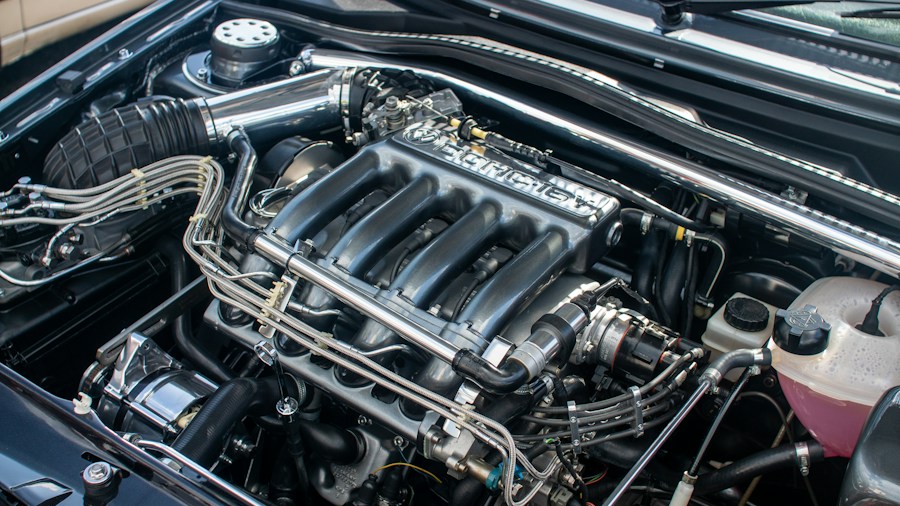
BMW doubled down on this formula in 2015, replacing the M135i with the M140i and equipping it with the more potent B58 turbocharged inline-six. Output jumped to 335 horsepower and 368 pound-feet of torque, making it a serious threat to larger performance rivals. Buyers could still choose rear-wheel drive with a manual transmission, a combination that rewarded enthusiasts willing to manage significant low-end torque and an aggressive traction control system.
What made this experiment truly unique was that BMW offered buyers something its rivals simply couldn’t: a genuinely small, everyday vehicle with rear-drive dynamics and inline-six smoothness normally reserved for luxury sedans and sports cars. While competitors like the Audi RS 3 and Mercedes-AMG A45 packed more power, they relied on front-wheel-drive platforms with smaller four and five-cylinder engines.
Why America Never Got the Full Experience
American consumers have traditionally associated hatchbacks with budget-friendly, practical commuting rather than performance. This perception shaped automotive strategy across the industry, and BMW was no exception. The company never brought the M135i or M140i hatchbacks to US showrooms, viewing the body style as incompatible with premium brand expectations in the American market.
Fortunately, BMW didn’t leave enthusiasts completely empty-handed. American buyers gained access to the same turbocharged inline-six engines and rear-drive chassis through the 2 Series Coupe. The M235i and later M240i variants delivered the same mechanical magic, though in a more visually striking and muscular two-door package. These cars proved nearly as capable as their hatchback siblings, just without the practicality, though BMW has shifted its design philosophy in other segments as well.
The End of an Era
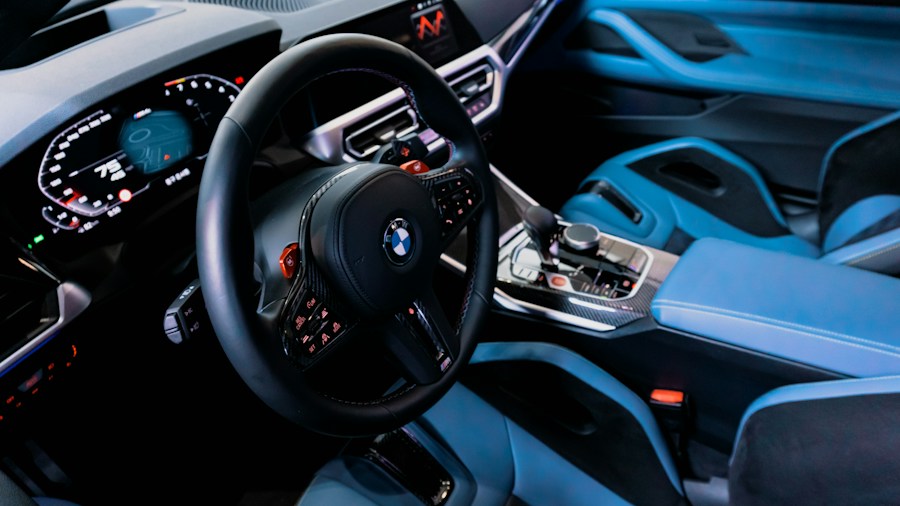
When BMW introduced its third-generation 1 Series hatchback in 2019, the company made a decisive break from its performance-oriented compact heritage. The new model switched to a front-wheel-drive platform with transverse engine mounting and abandoned the inline-six engines that defined the M135i and M140i. Today’s flagship 1 Series models carry only four-cylinder engines, and the fourth-generation continues this direction with no signs of reversal.
The 2 Series Coupe still carries the rear-drive inline-six torch, and BMW continues to offer potent M2 versions for those with deep pockets. However, the era of small, affordable BMWs combining genuine rear-drive dynamics with inline-six character has effectively closed. The company’s focus has shifted toward packaging efficiency and mass-market appeal, making a return to the old formula seem virtually impossible.
This transition reflects broader industry trends where BMW continues innovating through technology rather than traditional chassis engineering in compact segments. Front-wheel drive allows manufacturers to maximize interior space while reducing costs, a pragmatic choice when volume and profitability matter.
What This Means for Shoppers Today
For enthusiasts seeking the M135i or M140i experience today, the used market remains the only option. These cars have become modern classics, their value likely to remain strong as their rarity increases. Buyers unwilling to chase the used market can turn to the 2 Series Coupe or explore other brands still committed to rear-drive compact performance.
The discontinuation of BMW’s rear-drive hot hatch experiment underscores a harsh automotive reality: niche products that defy market expectations rarely survive long term. Yet their legacy endures as proof that sometimes, the boldest decisions create the most memorable machines.










Write Your Review
No reviews yet. Be the first to share your experience!