

A detailed engine teardown of a 2012 Porsche 911 Carrera has revealed the devastating internal damage that occurs when oil supply is cut off from the engine’s critical components. The incident offers valuable lessons for current and prospective 911 owners about maintenance vulnerabilities and the real-world consequences of seemingly minor damage.
What Happened to This 911
The owner of a 991-generation 911 Carrera suffered a catastrophic engine failure traced back to a cracked oil pan. When the pan fractured, pressurized oil drained completely from the engine rather than circulating through the bearings, pistons, and valve train. Within a short operating period, this oil starvation caused internal components to seize and fail, resulting in an engine requiring complete replacement at significant expense.
A detailed video documentation of the teardown showed just how quickly destruction occurs. The engine’s rotating and reciprocating parts, which rely entirely on continuous oil lubrication, suffered bearing seizure and metal-to-metal scoring. Many components that had functioned perfectly moments before the oil loss were rendered unusable.
The 911 Flat-Six Engine and Reliability History
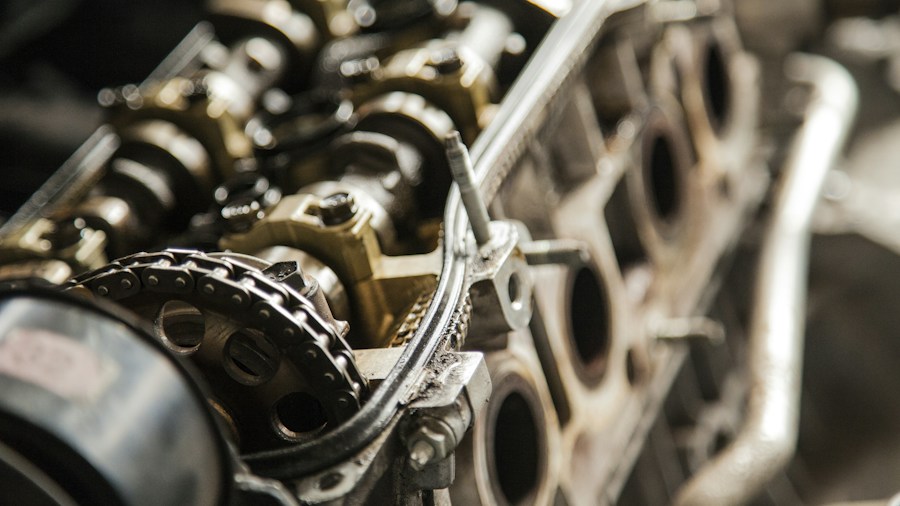
Porsche has built its reputation around the distinctive flat-six engine configuration since the mid-1960s. This horizontal boxer arrangement has become synonymous with 911 performance and character. The current generation 9A1 flat-six, introduced in 2008, represented a major reliability breakthrough by eliminating the intermediate shaft bearing failures that plagued earlier M97 engines.
By modern standards, the 9A1 is considered a robust and dependable powerplant. It delivers both power and longevity when maintained properly. The flat-six configuration itself has proven durable across multiple manufacturers, though Porsche remains its most famous practitioner. However, this incident demonstrates that even well-engineered engines cannot survive complete oil loss.
Common Causes of Oil Pan Damage
An oil pan may crack from several sources. Road debris, curb strikes during aggressive driving or parking maneuvers, and impacts from rough terrain represent the most common culprits. Unlike modern plastic pans with some flex and impact resistance, damage can happen quickly and without obvious warning signs to the driver.
Many owners may not immediately realize their pan has cracked, especially if the damage is small. Oil may not flood out dramatically on the first drive. Gradual leaking could go unnoticed until the low oil pressure warning finally triggers on the dashboard, by which time severe internal damage is already underway.
Prevention and Early Detection
Owners should perform regular visual inspections of the undercarriage, particularly after driving on rough roads or in construction zones. Look for fresh oil streaks or puddles under the vehicle. Regular oil level checks using the dipstick before long drives can catch leaks before they become catastrophic.
Modern 911 models often include low oil pressure warning systems, but relying solely on these alerts is risky. By the time the warning illuminates, bearing damage may already be occurring. Preventive maintenance and careful attention to driving conditions offer better protection.
Additionally, owners who push their 911s hard should inspect their vehicles more frequently, as aggressive driving increases stress on components and makes damage more likely.
What This Means for Shoppers

Prospective 911 buyers should view this incident not as a design flaw but as a reminder of basic maintenance discipline. The 9A1 engine itself performed admirably despite extreme circumstances. The real takeaway involves understanding that even premium vehicles remain vulnerable to damage from road hazards.
When evaluating used 911s, have a pre-purchase inspection examine the oil pan and entire undercarriage carefully. A history of accidents, even minor ones, warrants additional scrutiny. Confirm regular maintenance records and ask about any previous leaks or undercarriage damage.
For current owners, the message is straightforward: protect your investment through attentive pre-drive inspections, timely oil changes, and careful driving habits. As Porsche continues evolving its lineup with new technologies, the fundamental importance of oil circulation remains unchanged.
The Bottom Line
This 911 teardown demonstrates that modern automotive engineering remains subject to age-old mechanical principles. Oil starvation can destroy even the finest engines in minutes. For buyers and owners, the lesson is clear: regular inspections, prompt fluid checks, and protective driving practices are non-negotiable. The alternative is a repair bill in the five figures and an engine rebuild that could have been prevented.









Write Your Review
No reviews yet. Be the first to share your experience!