

Bridgestone has officially opened a new $3 million Bandag Training Center in Akron, Ohio, signaling a major investment in commercial tire education and retread solutions. The facility, which spans nearly 15,000 square feet, combines classroom instruction with a fully operational retread manufacturing space, designed to serve hundreds of industry professionals each year.
For fleet operators and commercial tire dealers, this expansion represents a significant commitment to support the retread market, which has been a cornerstone of the commercial tire industry for over 50 years. The new center joins an existing Bandag Learning Center in Muscatine, Iowa, as the company’s second dedicated training location.
What the Facility Offers
The Bandag Training Center is strategically located within Bridgestone’s tire test laboratory and sits adjacent to the company’s Advanced Tire Production Center. This proximity allows instructors and students to bridge classroom theory with real-world manufacturing practices.
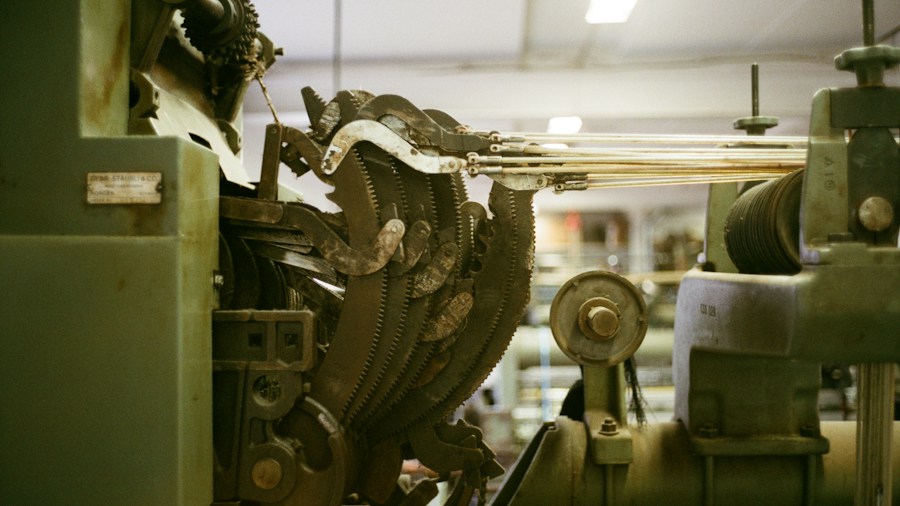
The facility includes production scale equipment, stations representing all 10 stages of the retreading process, a dedicated classroom accommodating up to 36 students, and a historical exhibit showcasing Bandag’s contributions to the industry. The integrated design means learners can move seamlessly between lecture halls and hands-on production areas, reinforcing concepts through direct observation.
Training Programs for Multiple Audiences
Bridgestone plans to offer customized seminar and class formats tailored to different audiences. Franchise dealer employees, fleet customers, and internal Bridgestone staff all have access to structured learning programs.
For fleet operators, the curriculum extends beyond basic retread education. Advanced tire analysis classes help participants identify and understand wear patterns associated with misalignment, underinflation, and other service conditions. Rather than simply recognizing a problem on a tire, fleet professionals learn to trace it back to its root cause, whether that involves suspension geometry, pressure management, or maintenance practices.
Retread plant courses typically run a full week, Monday through Friday, while specialized classes may last only a couple of days depending on their focus. Instructors conduct pretests to establish baseline knowledge, ensuring that training meets each student’s needs.
Impact on the Commercial Tire Industry
The opening of this training center reflects Bridgestone’s strategy to strengthen dealer and fleet support while promoting tire retreading as a sustainable, cost-effective solution. Retreaded tires reduce waste destined for landfills and lower overall fleet operating expenses compared to buying new tires for every replacement need.
Akron Mayor Shammas Malik, who attended the ribbon-cutting ceremony, emphasized the facility’s role in advancing a circular economy and supporting fleet sustainability. He also highlighted Bridgestone’s broader commitment to the Akron community, particularly in sustainable polymer development and advanced materials research.
When classes are not in session, Bridgestone will use the facility to develop and test new retread products, equipment, and processes. Collaboration between teams in Muscatine, Akron, and Nashville will support ongoing innovation in retread technology, ensuring that the solutions taught today remain competitive and effective tomorrow.
Understanding Tire Performance Through Education

One key advantage of this expanded training infrastructure is that fleet operators gain deeper insights into tire behavior and longevity. Understanding how to choose and maintain the right tire involves more than selecting a product off a shelf. It requires knowledge of how driving conditions, vehicle alignment, pressure management, and maintenance practices interact to influence tire life and safety.
For shops and fleets making purchasing decisions, this educational investment from a major manufacturer translates to better access to expert guidance. Personnel trained at Bridgestone’s facilities return to their operations equipped to diagnose tire-related issues, recommend appropriate retread solutions, and explain the long-term financial benefits of those choices to decision-makers.
The emphasis on troubleshooting and root cause analysis ensures that recommendations are backed by solid understanding, not just sales incentives. This builds trust and credibility in relationships between tire retailers, distributors, and their fleet customers.
What Buyers Should Know
If your fleet currently relies on new tires exclusively, or if you have not examined retread options in detail, this expanded educational infrastructure represents an opportunity. Learning about tire options and management strategies can reveal significant savings potential without sacrificing performance or safety.
Bridgestone’s commitment to training suggests that retread quality and consistency will continue to improve. Personnel at dealerships and fleet management operations will have better access to current best practices, technical certifications, and hands-on expertise. This, in turn, should improve the quality and reliability of retreaded tires available in the market.
For commercial operators seeking to reduce tire-related expenses while supporting environmental sustainability goals, the existence of this training center signals that retread solutions are receiving serious investment and continued development. The facility demonstrates that major tire manufacturers remain committed to the retread channel as a core part of their business strategy.











Write Your Review
No reviews yet. Be the first to share your experience!