

As temperatures drop and fall transitions to winter, your vehicle faces one of its harshest seasons. Road salt, moisture, and freezing conditions accelerate rust formation on metal components, potentially leading to expensive repairs if you don’t take preventive action now. The good news is that a few simple maintenance steps can dramatically slow rust development and keep your car running smoothly through the cold months ahead.
1. Clean and Protect Battery Terminals from Corrosion
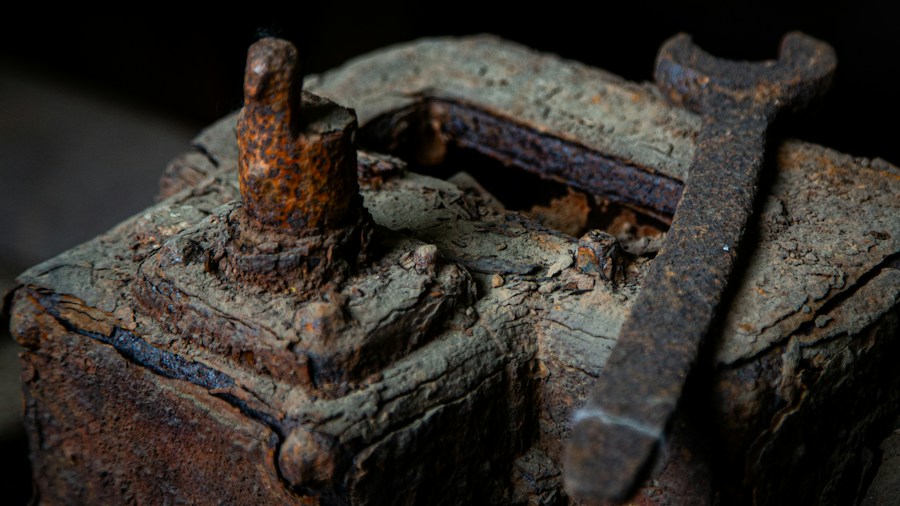
A corroded battery terminal can prevent your car from starting on a freezing morning, leaving you stranded in uncomfortable conditions. Before winter arrives, inspect your battery terminals for any white, blue, or green buildup. If corrosion is present, use a wire brush to remove the deposits, then apply a protective coating to prevent moisture infiltration and rust formation. This simple 5 minute task can save you from a stressful morning and extend your battery’s lifespan significantly.
2. Lubricate Hood Latches to Prevent Freezing
Hood latches endure constant stress from opening and closing, and winter salt exposure accelerates corrosion and sticking. A stuck hood latch can trap you outside during cold weather or prevent engine access when you need it. Apply protective lubricant to the latch mechanism, then open and close the hood several times to distribute the coating. Wipe away excess product with a clean cloth. Perform this maintenance in early fall, before salt and grime accumulate on the latch hardware.
3. Spray Exposed Frame Areas and Undercarriage
Road salt is one of the most destructive forces on your vehicle’s undercarriage and exposed frame components. Where bare metal meets salt, rust develops rapidly and can compromise structural integrity over time. A thin protective coating applied to exposed frame areas creates a temporary barrier against salt and moisture. For undercarriage work, choose a specialized rust inhibitor formula designed for that purpose. Apply a light, even layer rather than soaking the area, and repeat this treatment before winter weather begins. Remember this is a temporary solution that needs reapplication periodically throughout the season.
4. Address Existing Rust Spots Before They Spread
Orange rust spots that appear on your frame or exposed metal should be treated immediately. Spray the affected area with rust-displacing lubricant, then use a wire brush to remove loose rust flakes and corrosion buildup. Start with aggressive scrubbing on heavily corroded sections, then move to lighter areas. Avoid excessive pressure that could gouge the underlying metal. After removing loose debris, wipe the area dry and apply a fresh protective coating. Early intervention prevents small rust spots from becoming major structural problems.
5. Protect Door Hinges and Pins from Freeze-Ups
Your car door hinges support the entire weight of the door on small metal pins that wear quickly without maintenance. Winter conditions cause freeze-ups and increased friction if protective lubricant isn’t applied. On a mild, dry day in early fall, open all doors and apply a light spray to each hinge pin, using the extension straw to reach tight spaces without contacting paint. Give latches a short spray as well, then open and close doors several times to work the lubricant in. Wipe excess liquid with a cloth to prevent grime accumulation. Rubber door seals benefit more from silicone-based products that won’t harden in cold weather.
6. Clean and Protect Your License Plate

By late summer, license plates are coated with bug remains, tree sap, and road grime. As winter approaches and salt spreads across highways, this buildup worsens and accelerates rust formation on the plate and mounting hardware. Spray protective lubricant on the plate and wait one minute for it to penetrate dried debris. Wipe with a cloth, then clean thoroughly with soapy water to restore clarity. The same product will loosen rusty bolts holding the plate, making future replacement easier. Repeat this cleaning several times during winter to maintain rust resistance and visibility.
7. Protect Your Tools and Equipment
After completing fall maintenance work on your vehicle, don’t forget to protect the metal tools you used. Iron-based steel tools rust when exposed to moisture, and winter storage creates ideal conditions for corrosion if tools aren’t properly protected. Apply a light protective coating to wrenches, sockets, and other metal implements before storing them in your toolbox. When rust does appear on tools, spray the affected spot and scrub with sandpaper or a wire brush, then apply a fresh protective layer before storage. Keep tools in a cool, dry location and add silica packets to your toolbox to absorb humidity.
These preventive measures are far cheaper than repairing rust damage after winter ends. Rust at truck cab corners and other structural areas requires extensive restoration work. By treating your vehicle now, you’ll avoid costly repairs and maintain both safety and resale value when spring arrives. Start with your battery terminals and hinges, then work through each area as time allows. Your winter driving experience will be safer and more reliable for this investment of effort.









Write Your Review
No reviews yet. Be the first to share your experience!