

A new augmented reality motorcycle helmet from Aegis Rider has sparked conversation about the future of rider safety technology, but early assessments suggest the concept may introduce more problems than it solves. The Vision helmet, priced at $2,000, features a unique display system that projects information directly in front of the rider’s eyes rather than mounting to the visor or windscreen. Before considering this investment, riders need to understand what this technology actually delivers and whether it truly improves the riding experience.
The Core Problem the Helmet Attempts to Solve
Aegis Rider identified a legitimate concern that every motorcyclist faces: the need to look down at instruments during rides. Checking your speedometer, following GPS navigation, or adjusting settings requires taking your eyes off the road. On a motorcycle, those precious moments of distraction can mean the difference between safety and disaster. Unlike car drivers who operate in a more controlled environment, motorcycle riders depend on constant awareness of their surroundings, traffic patterns, and potential hazards. The company correctly recognized that existing head-up display helmets haven’t gained widespread adoption because riders found them either ineffective or distracting.
The Technology and Design Concerns
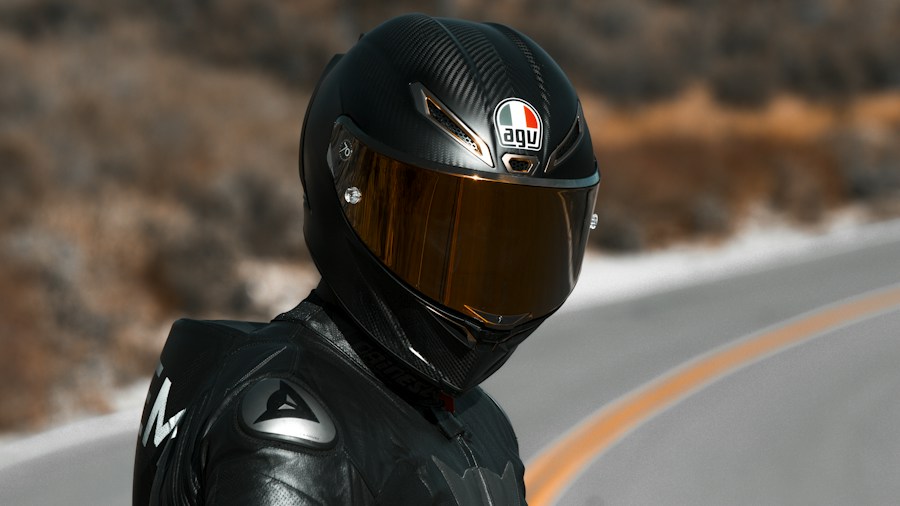
The Vision helmet uses a unique spatial anchoring system where information stays anchored to specific locations on the road rather than moving with the rider’s head turn. This approach sounds innovative in theory. However, the physical design raises significant questions about practicality. Rather than integrating the display into the visor or shield like traditional solutions, Aegis Rider placed glasses-like projection units in front of the rider’s eyes, suspended in what can only be described as an awkward middle ground between standard eyewear and a head-mounted display.
For experienced riders accustomed to proper visibility and minimal obstruction, this design creates obvious concerns. The glasses-like elements sit in the direct line of sight without being flush against the face like regular eyewear, nor are they positioned outside the visual field entirely. Riders who regularly use off-road goggles understand how frustrating it becomes when something occupies that particular zone in your field of view. Mud, dirt, or any debris becomes exponentially more annoying when positioned at that depth and distance from your eyes. Adding technological elements permanently mounted in that space compounds the distraction issue rather than solving it.
What the Helmet Actually Includes
For the $2,000 price tag, buyers do receive multiple features beyond the AR display system. The helmet integrates an action camera for recording rides, connects to a smartphone app for additional functionality, and includes various augmented reality features designed to enhance the riding experience. These additions provide value beyond the core display system, though they also add complexity that some riders may view as unnecessary.
Considering Real World Riding Conditions
The disconnect between this helmet’s design and actual riding demands becomes clear when you consider where most motorcycle riding happens. Urban environments with congested traffic require intense visual focus and constant head movement. Modern helmet technology continues evolving to improve safety without adding complexity, yet this device takes the opposite approach. Long-distance highway riding presents different challenges where navigation information would genuinely help, but the visual intrusion potential remains concerning.
Additionally, riders operating in varying light conditions face challenges with any head-mounted display technology. Bright sunlight makes projection-based displays difficult to see, while low-light conditions can create unwanted glare and reflection. The spatial anchoring system may help with some of these issues, but physical obstruction remains regardless of how the software performs.
The Price Reality Check
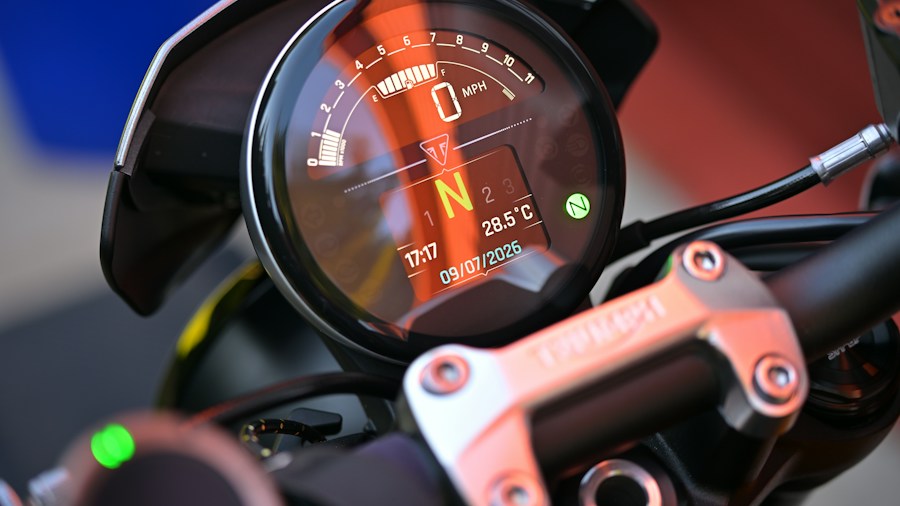
At $2,000, this helmet costs significantly more than premium traditional motorcycle helmets from established manufacturers. Even high-end protective helmets with integrated communication systems, advanced ventilation, and top-tier safety ratings typically cost well under $1,000. As motorcycle technology continues advancing across all categories, buyers should carefully evaluate whether experimental features justify premium pricing.
What Buyers Should Consider
If you’re tempted by this technology, ask yourself honestly whether your current riding challenges actually require augmented reality solutions. Most riders successfully navigate complex environments using existing helmet designs combined with handlebar-mounted GPS units or smartphone navigation. The established method may seem less elegant, but it solves the problem without introducing new potential distractions.
The Aegis Rider Vision represents genuine innovation in thinking about rider information needs, but the execution raises practical concerns that deserve serious consideration. Before spending $2,000 on experimental helmet technology, evaluate whether traditional solutions already meet your actual riding requirements. For most riders, proven designs from established manufacturers will continue delivering better safety outcomes than cutting-edge systems that may distract more than they assist.










Write Your Review
No reviews yet. Be the first to share your experience!