

The tire retail landscape is undergoing a significant transformation that affects both shop owners and consumers who patronize them. What was once an accessible entry point for entrepreneurs has become a capital-intensive investment, forcing tire retailers to rethink how they develop future leaders and what ownership actually means in today’s market.
The Rising Cost of Tire Shop Ownership
Starting a tire store that required only $5,000 to $10,000 in past decades now demands franchisees and buyers to secure stakes worth more than $1 million. This dramatic increase in startup costs creates a barrier for the next generation of tire professionals who want to build equity in a business they help grow. For shoppers, understanding this shift matters because it influences how tire retailers attract and retain talent, invest in customer service, and prioritize long-term relationships over quick profits.
Major tire service organizations are adapting their business models to address this challenge. Rather than requiring managers to take on massive debt to purchase ownership stakes, some retailers now offer profit-sharing arrangements that let talented managers participate in their store’s financial success without the burden of traditional ownership financing. This approach preserves institutional knowledge and encourages staff to think and act like owners even when their capital investment differs from previous generations.
What This Means for Tire Buyers
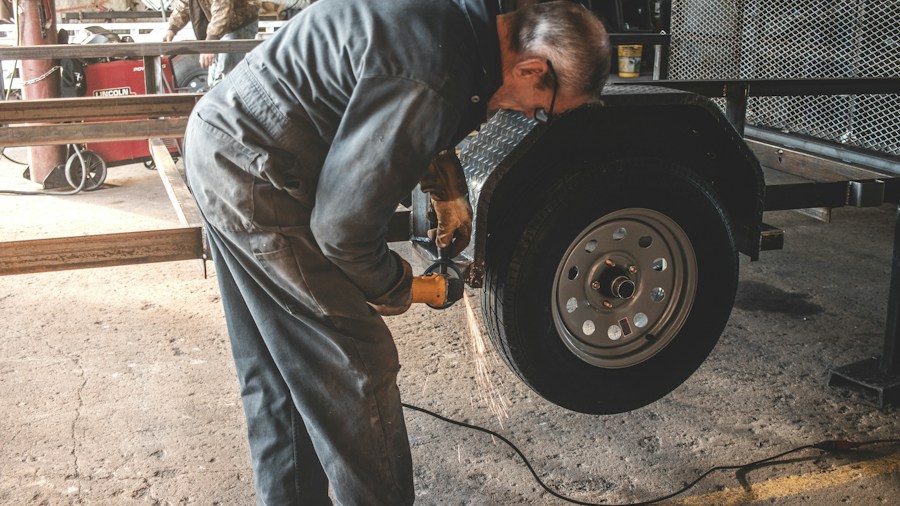
When tire store managers and operators feel genuinely invested in profitability and long-term performance, customers benefit through better service quality, more honest recommendations, and stronger community connections. Tire retailers who build loyalty programs and community initiatives demonstrate that ownership thinking extends beyond financial metrics into customer relationships and social responsibility.
The shift toward alternative ownership models also encourages tire retailers to invest more heavily in employee development and training. When stores know their skilled technicians have genuine incentive to stay and grow within the company, they’re more likely to offer advanced technical training, certification programs, and clear pathways to leadership roles. For shoppers, this translates to better tire installation, more accurate wheel alignments, and technicians who understand complex tire technology and vehicle needs.
Family Legacy Meets Modern Business Reality

Many established tire retailers are navigating succession planning as longtime owner-operators retire. Organizations that have been family-managed for multiple generations face the question of how to bring in capable leaders from outside the family while maintaining the values and principles that built their reputation. The answer increasingly involves shared ownership models, mentorship programs, and deliberate culture preservation.
When tire shops emphasize integrity, relationship-building, and creating opportunities for employees, these principles tend to flow through to customer interactions. Understanding how modern tire technology serves vehicle complexity requires technicians who’ve had time to develop expertise without the pressure of rapid turnover. Retailers who invest in their people create environments where technical knowledge deepens and customer trust compounds.
Looking Ahead for Tire Shoppers
As tire retail consolidates and evolves, shoppers should recognize that the structure of store ownership influences service quality and pricing philosophy. Retailers using profit-sharing and alternative ownership models tend to focus on sustainable margins and repeat business rather than transaction-based pricing. This alignment often means more transparent pricing, fewer upselling tactics, and genuine recommendations based on your actual tire needs.
The expansion of tire service locations into commercial and fleet work also reflects how ownership structures are broadening. When tire professionals understand directional tread design and specialized applications, they can better serve diverse customer needs from passenger vehicle owners to commercial operators.
When evaluating where to purchase tires, consider retailers who demonstrate commitment to their communities, invest in employee training programs, and maintain long-term customer relationships. These indicators often signal that management is thinking like owners regardless of their formal ownership stake, which typically results in better service, fairer pricing, and expertise you can trust.











Write Your Review
No reviews yet. Be the first to share your experience!