

Mazda has earned a reputation for delivering premium interior quality and engaging driving dynamics at prices that don’t require luxury brand sticker shock. The brand’s three-row SUV, the CX-90, perfectly captures this positioning by offering near-luxury comfort and features without forcing buyers to choose between their wallet and their desires. For 2025 and 2026, shoppers face an important decision: should they go with the traditional turbocharged gas engine or step up to the plug-in hybrid variant? Understanding the differences helps clarify which option truly delivers the best value.
Two Powertrains, One Platform
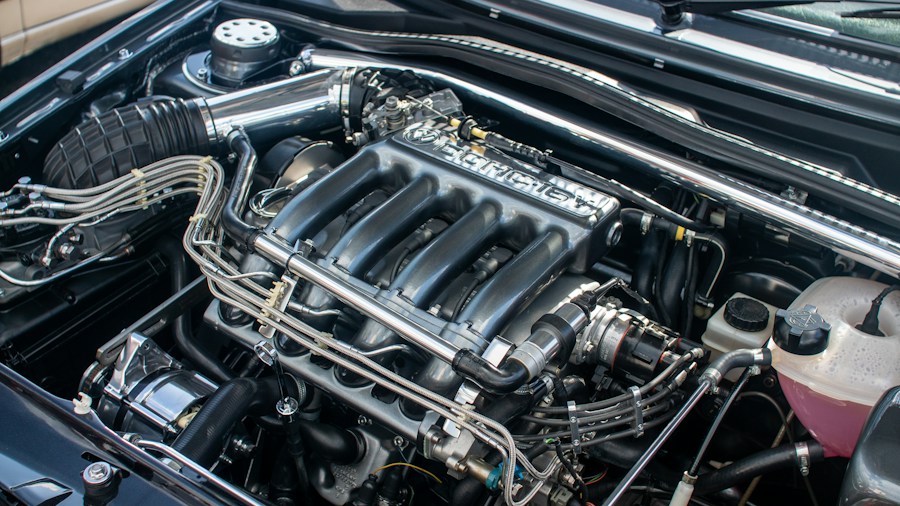
Mazda keeps its CX-90 lineup straightforward by offering just one engine choice per variant. The standard gas-powered CX-90 uses a 3.3-liter turbocharged inline-six with mild-hybrid assistance across six trim levels. Most models produce 280 horsepower and 332 pound-feet of torque, while the top S trims boost output to 340 horsepower and 369 pound-feet. Meanwhile, the plug-in hybrid (PHEV) variant relies on a smaller 2.5-liter turbocharged four-cylinder paired with an electric motor system, available across three distinct trim levels. Both versions standard eight-speed automatic transmission with rear-biased all-wheel drive, so handling and safety feel consistent regardless of which powertype you choose.
The fundamental difference lies in how these systems operate. The gas model’s mild-hybrid technology uses supplementary 24 or 48-volt electrical systems to power accessories like air conditioning and suspension components, reducing engine strain. The PHEV goes further with a large high-voltage battery pack that owners must charge regularly. This larger battery enables electric motors that actually drive the wheels, allowing for all-electric operation for shorter commutes. For shoppers commuting to the office daily, this capability could mean weeks between visits to the gas pump.
Fuel Economy and Running Costs
The standard CX-90 delivers respectable efficiency for its size and standard all-wheel-drive configuration. The EPA ratings keep it competitive with other mainstream three-row SUVs in the segment. However, the PHEV’s 56 MPGe combined rating pulls ahead, especially when you factor in electric-only driving range for your typical workday. While competitors like the Kia Sorento PHEV reach higher ratings at 74 MPGe combined, the Mazda’s efficiency advantage over its own gas sibling becomes particularly valuable over time.
Lower fuel consumption directly translates to reduced ownership costs. Although the PHEV carries a significantly higher purchase price starting above $50,000 compared to the gas model’s $38,800 base price, fuel and charging savings accumulate over years of ownership. Shoppers should calculate their typical annual mileage and current fuel prices in their region to determine whether the premium pays off within their ownership timeline.
Interior Space and Comfort
This is where the CX-90 truly competes with luxury brands costing thousands more. Both variants offer identical interior dimensions with up to 75.2 cubic feet of cargo space when configured with a two-person third row. However, there’s one practical difference: most gas-model trims seat eight passengers, while all PHEV versions top out at seven seats due to battery placement beneath the floor. For larger families, this represents a meaningful consideration.
The real story unfolds when you sit inside. Premium materials, thoughtfully designed ergonomics, and attention to detail create an atmosphere that exceeds what most shoppers expect at these price points. The seating doesn’t just look upscale; it feels supportive and comfortable during extended drives. Comparing Mazda’s SUV lineup helps clarify which model suits your needs, but the CX-90’s interior accomplishes what many competitors cannot: delivering a luxury-car experience without the luxury-car payment.
Pricing Your Options

The gas CX-90 starts at $38,800 base, positioning it slightly above or within range of competitors like the Ford Explorer ($38,465) and Kia Telluride ($39,190). The Toyota Highlander opens at $46,270, making the Mazda notably cheaper for buyers seeking the three-row layout. The PHEV variant, starting above $50,000, requires shoppers to weigh premium pricing against long-term fuel savings and the convenience of electric driving. All pricing excludes destination charges and dealer fees, which can add thousands to the final bill.
Which Should You Choose
The gas-powered CX-90 makes sense for buyers prioritizing the lowest entry price and those with minimal daily commute distances. Its strong turbocharged performance and eight-seat configuration appeal to shoppers moving families or cargo regularly.
The PHEV justifies its premium for commuters with shorter daily drives, those seeking maximum fuel economy, and buyers comfortable with home charging infrastructure. Understanding Mazda’s tech features across its lineup helps inform your purchase decision. All three PHEV trims pack comfort features and efficiency that rival models struggle to match at similar price points.
Regardless of which CX-90 you select, Mazda ensures the driving experience feels engaging while the cabin feels premium. For shoppers seeking value in the three-row SUV market, that combination represents genuine competitive advantage.











Write Your Review
No reviews yet. Be the first to share your experience!