

The off-road truck market has undergone a fundamental shift in philosophy, and if you’re shopping for a capable 4×4, understanding this change is essential. For decades, the conventional wisdom held that smaller wheelbase vehicles with nimble handling made the best trail performers. That era has quietly ended, and manufacturers are now betting big on brute force over maneuverability.
The Size Shift Changing Off-Road Design
What triggered this transformation? According to conversations with vehicle engineers and industry leaders, the answer lies in two technological breakthroughs: advanced tire manufacturing and sophisticated electronic safety systems. Modern factory tires now reach diameters of 37 inches or larger, paired with electronic stability controls that prevent rollovers on increasingly tall and heavy trucks. These innovations made it possible to build larger off-road vehicles without sacrificing reliability.
The practical result is striking. When you’re behind the wheel of today’s heavy-duty off-road machines, guides no longer need to suggest optimal routes around obstacles. Instead, they’ll often suggest you simply drive straight through. The truck’s mass and tire grip allow it to power over terrain that older, lighter vehicles would need to navigate around. This capability comes at a cost: visibility and maneuverability suffer. Side mirrors become genuine wear items, and pinstriping from brush contact is simply accepted as normal.
Why Manufacturers Embraced the Bigger Approach
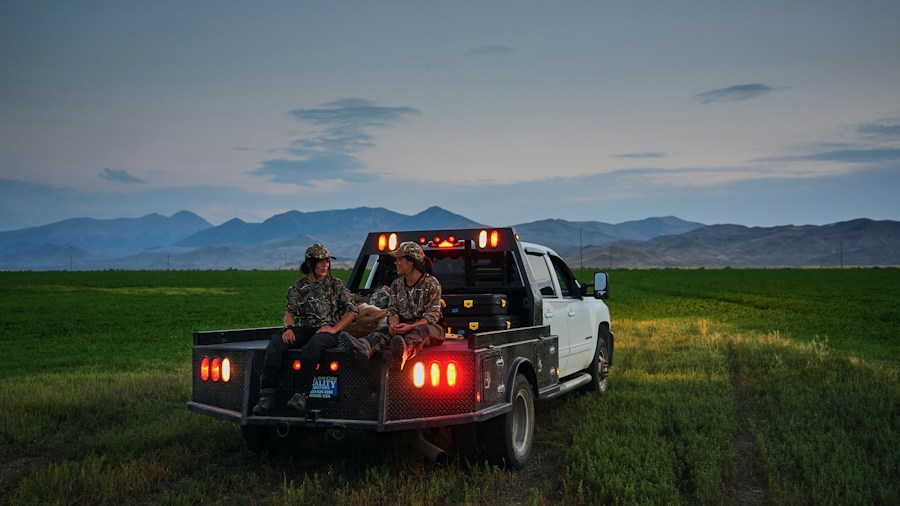
Marketing played a central role in this shift. Ruggedness sells, especially among millennial buyers who represent the industry’s primary growth demographic. What began as specialized off-road packages on pickup trucks evolved into a full-scale positioning strategy. Ram’s Power Wagon, Chevrolet’s Silverado HD ZR2, GMC’s Sierra HD AT4X, and Ford’s F-150 Raptor variants all now emphasize extreme capability. Even brands historically associated with lighter vehicles are reconsidering their lineups.
Jeep executives publicly hinted years ago that the future belongs to machines built for raw power delivery rather than technical finesse. This philosophical shift raises questions about iconic vehicle designs. Rumors suggest that future generations may abandon smaller, traditional body styles in favor of larger SUVs and trucks, though longtime enthusiasts hope this doesn’t fully materialize.
What This Means for Your Shopping Decision
If you’re evaluating off-road vehicles, several practical implications merit your attention. Larger trucks deliver genuine capability in rough terrain, but they come with real-world tradeoffs. Fuel economy drops compared to smaller alternatives. Urban driving becomes more challenging in tight spaces. Maintenance and repair costs climb. Insurance premiums may increase. Additionally, off-road truck drivers need these critical skills to safely operate vehicles that weigh significantly more than previous generations.
The shift toward larger platforms also affects capability in unexpected ways. A truck too wide for some older drive-through lanes or forest service roads might find itself stranded despite its impressive technical capabilities. Understanding terrain limitations remains important even with modern technology.
Industry Trends to Watch
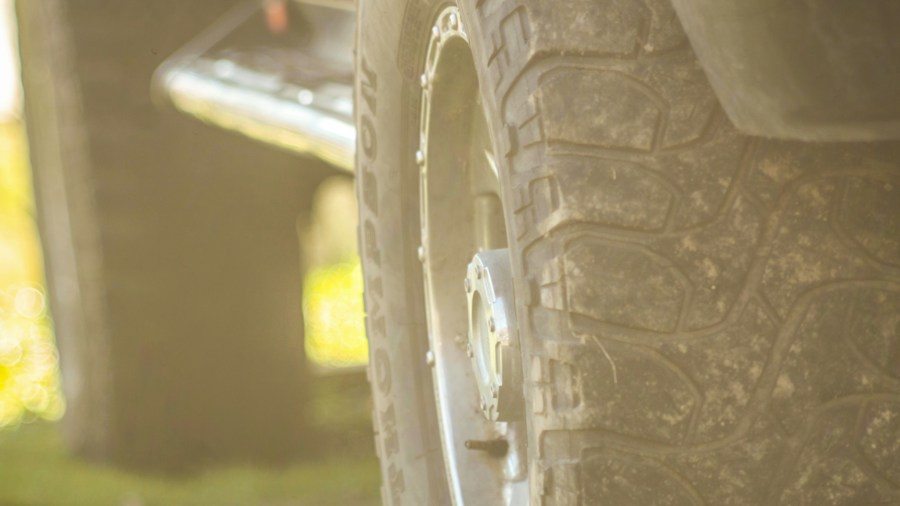
All three major domestic truck manufacturers now offer heavy-duty pickups in off-road trims, signaling this isn’t a temporary marketing trend but a fundamental industry direction. The investment in larger platforms suggests manufacturers expect sustained demand for these vehicles. However, what a 65-ton tank recovery teaches off-road shoppers about ground conditions and weight distribution remains relevant regardless of vehicle size.
Electronic systems continue improving, enabling ever-larger vehicles to traverse technical terrain. Tire technology advances accelerate this trend. These factors will likely drive continued growth toward heftier off-road vehicles, even as some enthusiasts mourn the decline of nimble, short-wheelbase platforms.
The Bottom Line for Buyers
The off-road vehicle you purchase today operates under entirely different design principles than comparable models from a decade ago. Capability now derives from mass and power rather than agility and precise positioning. This approach excels in certain conditions but introduces new limitations elsewhere. When evaluating options, consider your actual use case honestly. Will you primarily drive on established trails where size matters less? Or do you need maximum versatility for tight, technical terrain? Understanding custom buggy build engineering realities can help contextualize modern truck design choices.
Modern off-road trucks represent genuine progress in capability, durability, and comfort. However, they’re fundamentally different animals from their predecessors. Shopping informed means recognizing this shift and selecting a vehicle that matches your authentic needs rather than simply accepting industry marketing at face value.










Write Your Review
No reviews yet. Be the first to share your experience!