

When you buy a new vehicle, the tire manufacturer has already made a decision for you. That decision, called an original equipment or OE tire fitment, can shape your purchasing choices for years to come, even after your tires wear out and need replacement.
Understanding how OE tire fitments work and why they matter is essential for making smart replacement tire decisions that align with your driving needs and budget.
How OE Tires Influence Your Next Purchase
According to industry experts, roughly 30 percent of drivers request the same brand or model when shopping for replacement tires. For luxury vehicle owners, the figure climbs above 50 percent. This strong brand loyalty stems from familiarity and trust built during ownership.
The logic is straightforward: if your vehicle performed well on factory-fitted tires, why not choose the same brand again? That reasoning makes sense for many drivers. However, replacement tire selection involves more nuance than simply reordering the original fitment.
Tire manufacturers invest significant effort to earn OE positions. The process begins two to three years before a vehicle reaches production and involves extensive collaboration with automakers. Manufacturers must demonstrate rigorous quality control systems, advanced technical capabilities, strong financial ratings, and reliable global supply chains. Only tier-one and tier-two tire producers typically meet these demanding standards.
Why Your Vehicle Characteristics Matter

Not every driver should automatically choose the same brand their vehicle came with. Your decision depends on several factors specific to your situation.
Luxury and performance vehicle owners tend to prioritize maintaining their vehicle’s original handling characteristics. These drivers value steering response, ride quality, noise control, and braking performance as engineered by the manufacturer. When shopping at tire retailers, communicating these priorities to staff ensures better recommendations.
Value-oriented buyers, by contrast, often weigh brand loyalty less heavily against price, mileage warranty, and practical performance features. A driver in a snowy climate, for example, should prioritize winter-rated tires marked with the three-peak mountain snowflake symbol, even if those tires differ from the OE brand.
Electric vehicles represent a special case. EV tire selection involves considerations like rolling resistance, vehicle weight, noise generation, and driving range impact. These factors make OE specifications particularly relevant for EV owners, though they remain one factor among many.
Questions to Ask Before Buying Replacement Tires
Smart replacement tire shopping starts with honest self-assessment. Ask yourself: Did you like how your OE tires performed? What driving conditions do you regularly face? What performance characteristics matter most to you today?
If you loved your original tires and your driving conditions haven’t changed, matching that fitment makes sense. However, if your needs have evolved, replacement tire selection offers an opportunity to optimize. A driver who now faces regular winter driving should upgrade to dedicated winter tires. Someone logging high annual miles might prioritize treadwear warranty over other features. A truck owner interested in aesthetic upgrades could explore all-terrain designs.
Tire manufacturers continue launching new products designed for specific vehicle types, offering more options than ever for finding the right fit for your current situation.
Understanding Trade-offs in Tire Selection
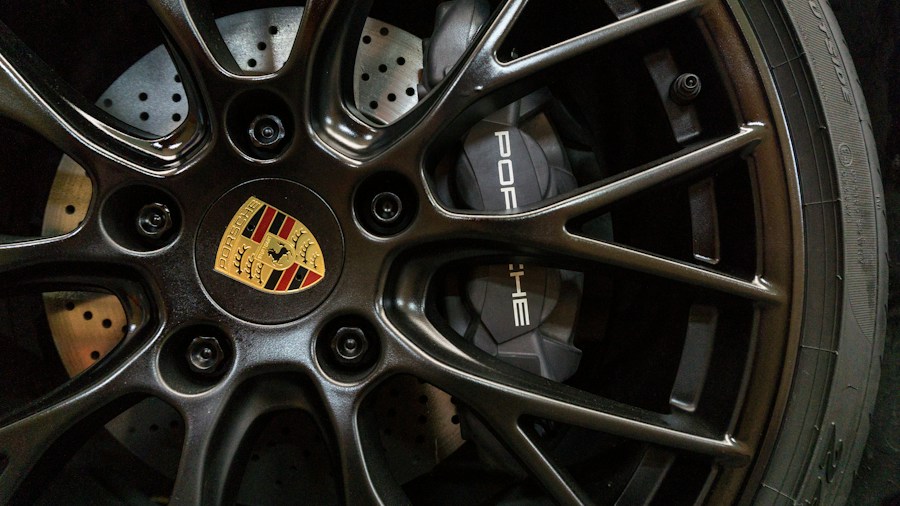
Switching from OE to alternative tire brands typically involves trade-offs. You might experience slightly reduced fuel economy, perhaps two miles per gallon lower, or notice marginally increased road noise. Many drivers find these compromises worthwhile when they gain other benefits like extended tread life, improved snow traction, or enhanced off-road capability.
The key is making an informed decision rather than defaulting to brand familiarity. Tire performance varies substantially across models and brands. A tire engineered for a luxury sedan differs fundamentally from one designed for a heavy-duty truck, even if both carry the same brand name.
Having the Right Conversation With Your Tire Shop
When you visit a tire shop for replacement purchase, come prepared to discuss your priorities. Mention your vehicle type, driving patterns, and performance preferences. Share whether you were satisfied with your existing tires. This information helps your tire professional recommend products that genuinely serve your needs rather than simply suggesting the most familiar option.
OE tire fitments carry real meaning. Automakers spend years selecting tires that optimize their vehicles’ performance. That legacy of engineering excellence deserves respect. However, your replacement tire choice should prioritize your current driving reality, not just your vehicle’s original specification. Understanding this balance empowers you to make tire purchasing decisions that deliver both satisfaction and value.











Write Your Review
No reviews yet. Be the first to share your experience!