

The efficiency of an RV dealership’s parts and accessories department directly affects your shopping experience, service quality, and overall value. Many dealerships operate their parts operations without regular performance reviews, which can lead to inventory problems, poor customer service, and inflated prices. Understanding how professional dealerships manage their parts departments gives you insight into where to shop and what to expect.
Why Parts Department Management Matters to RV Buyers
When you need replacement parts or accessories for your RV, the dealership’s internal operations determine how quickly they fulfill your order, whether they have the right items in stock, and ultimately what you pay. A well-managed parts department stocks the correct quantities of essential items, maintains organized systems, and employs knowledgeable staff. Poorly managed departments suffer from overstocking some items while running short on others, leading to delays and customer frustration.
Strong dealership management requires clear expectations across all departments. This starts with leadership setting specific operational goals and communicating them consistently to every employee. When management regularly inspects performance against those expectations, employees understand that quality matters and that the dealership values accountability.
Inventory Management: Getting Stock Levels Right
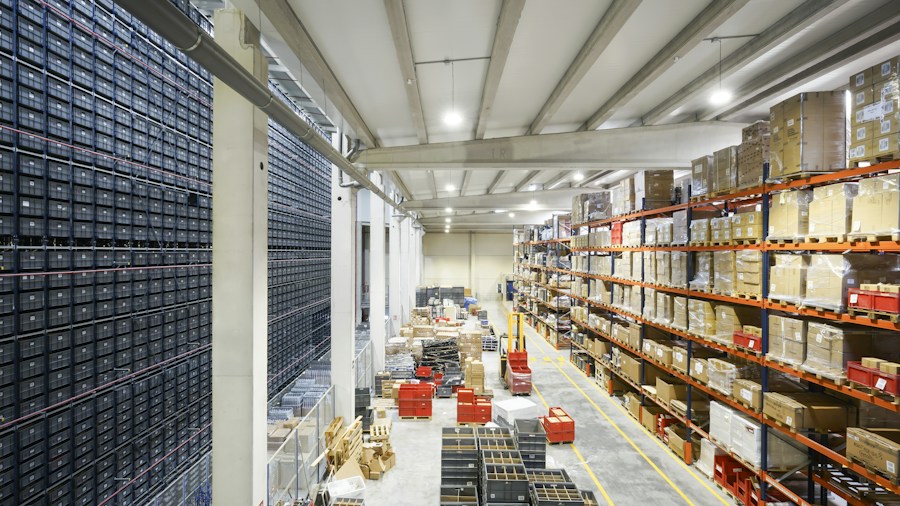
One of the most challenging aspects of parts management is maintaining appropriate inventory levels. Too much stock ties up capital and wastes space; too little creates backorders and frustrated customers. Professional dealerships use data-driven approaches to determine optimal inventory quantities.
A solid inventory strategy involves analyzing historical demand for commonly purchased items. For example, if a cleaning fluid or lubrication product has shown consistent demand over several months, the parts manager calculates how many units should be on hand based on turnover expectations. This calculation accounts for how many times per year the item should sell, dividing that into 365 days to determine how many days of supply to maintain.
When you shop at a dealership that uses this analytical approach, you benefit from faster order fulfillment and better pricing. Dealerships with balanced inventory can negotiate better purchasing terms and avoid the costs associated with excess stock or frequent emergency orders.
Supply Control and Cost Management
Beyond customer-facing parts and accessories, professional dealerships also carefully manage internal supplies like stationery, hardware, tools, and maintenance items. These seemingly minor expenses add up significantly across a year. When dealerships implement strong supply control policies, they reduce waste and keep operational costs down, which translates to more competitive pricing for you.
This control system involves assigning part numbers to supplies, tracking usage, and monitoring costs. When a dealership treats supplies as managed inventory rather than free materials, employees take care not to waste them. This discipline creates a perception throughout the organization that cost management matters, and that commitment extends to how they operate their customer-facing parts department.
Staff Training and Customer Service Quality

The quality of your interaction with parts department staff reflects the dealership’s investment in employee training and performance management. Well-managed dealerships assign specific tasks and responsibilities to their parts associates, monitor completion, and provide feedback. When management regularly inspects what they expect, employees know that performance matters and that their work is being monitored.
Professional parts departments employ staff who understand RV systems, can recommend appropriate solutions for your needs, and maintain organized, clean work areas. These characteristics don’t happen by accident; they result from clear expectations, consistent training, and regular performance review. When you interact with a parts associate who seems knowledgeable and engaged, that reflects a dealership culture where management has invested in employee development.
Beyond individual product knowledge, strong dealerships provide their staff with selling skills training. This isn’t about aggressive sales tactics; it means equipping associates to understand your needs and recommend appropriate products that solve your problems. A well-trained team understands both the technical and customer service aspects of their role, ensuring you receive quality guidance whether you’re shopping for maintenance supplies or replacement components.
What to Look for in a Well-Managed RV Dealership
When evaluating an RV dealership, pay attention to the parts department. Does the facility appear organized and clean? Do staff members seem knowledgeable about products and RV systems? Can they quickly locate items or explain why something might be backordered? Are pricing and availability consistent with other local options?
A dealership that manages its parts department professionally will also invest in modern dealer management systems that track inventory, customer histories, and sales data. This technology infrastructure, combined with trained staff and clear operational expectations, creates the foundation for reliable service to customers like you.
As the RV industry continues to evolve, dealerships are expanding their capabilities and service offerings to better serve owners. The dealerships that succeed are those that extend professional management practices across every department, including parts and accessories. Your experience in the parts department often determines whether you’ll return to that dealership for service and purchases, making management quality a critical factor in your overall RV ownership satisfaction.







Write Your Review
No reviews yet. Be the first to share your experience!