

Air conditioning complaints have traditionally been a minor inconvenience, but modern vehicles have changed that equation entirely. On today’s cars, trucks and hybrids, the cooling system does far more than keep the cabin comfortable. It manages heat for batteries, power electronics, inverters and motors, meaning a struggling air conditioner can compromise vehicle performance or even strand a driver mid-trip.
Recognizing this shift, Autel has introduced the MaxiHVAC AC909 Advanced A/C Diagnostic System, a tool designed to transform how technicians approach thermal management repair. The platform represents a significant step forward in diagnostic accuracy and efficiency, with real implications for how quickly and affordably shops can resolve cooling complaints.
Why Traditional A/C Diagnostics Fall Short
For more than two decades, the diagnostic methods and training for air conditioning systems have remained largely unchanged, despite rapid evolution in vehicle technology. Modern vehicles now feature variable-displacement compressors, electronically controlled expansion valves, heat exchangers and multiple thermal circuits that serve both conventional cooling and battery management functions.
Technicians addressing a cooling complaint have traditionally relied on gauge readings, scan data and component behavior observation, often spending significant time trying to reconcile conflicting information. This gap between diagnostic capability and system complexity has led to unnecessary parts replacement, repeated service visits and work being outsourced to specialized facilities. For shop owners, that translates to lost revenue and frustrated customers.
The AC909 bridges this gap by bringing a more systematic diagnostic approach to automotive service. Rather than treating refrigerant handling as the complete solution, the tool guides technicians through a comprehensive four-part analysis: electrical circuits and vehicle commands, refrigerant efficiency, airflow and blend-door operation, and coolant temperatures where applicable.
How the AC909 Changes the Diagnostic Process
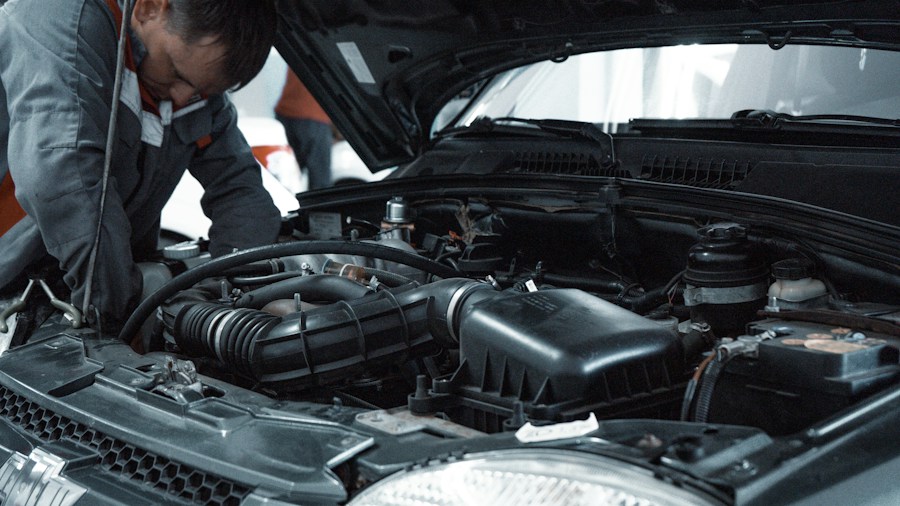
The tool displays refrigerant pressures, temperatures, humidity readings and other physical measurements alongside supported vehicle diagnostic data on a single integrated screen. This consolidated view helps technicians understand not just what the vehicle is commanding the system to do, but what the system is actually delivering.
Consider a compressor that is underperforming. The fault could stem from an internal mechanical failure, an electrical problem or incorrect commands from the vehicle module. Without clear visibility into all three areas simultaneously, technicians may waste hours chasing the wrong solution. The AC909 connects these diagnostic threads, allowing technicians to pinpoint the actual cause and verify the repair with confidence.
The system includes Bluetooth-enabled vacuum equipment and digital micron gauges that provide live measurements on the diagnostic tablet. Micron decay testing gives technicians a measurable basis for evaluating system evacuation before charging, while nitrogen and forming gas testing supports more accurate leak diagnosis. This approach reduces guesswork and the likelihood of costly comebacks.
Training and Industry Response
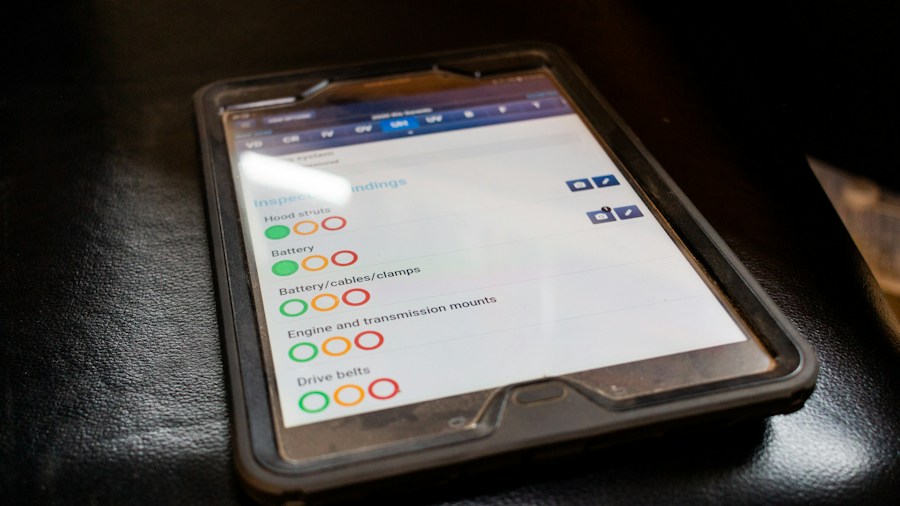
Recognizing that new diagnostic tools require new skills, Autel has paired the AC909 with comprehensive training programs. Response from the industry has been notably strong, with technicians and college instructors traveling across the country to participate. Faculty at Pittsburg State University described the tool as transformative, comparing its impact to the transition from DOS to Windows.
For vehicle owners and shop customers, this development matters significantly. Shops equipped with the AC909 and trained in its methodology can resolve air conditioning complaints more systematically, reduce unnecessary parts replacement and minimize repeat service visits. Independent repair shops are increasingly gaining the diagnostic capabilities that were once exclusive to dealerships, and tools like the AC909 accelerate that trend.
What This Means for Modern Vehicle Owners
As vehicles become more complex, the tools and methods used to repair them must evolve accordingly. The AC909 represents an industry-level recognition that thermal management systems demand a higher standard of diagnostic discipline. Autel’s track record of bringing advanced diagnostic capabilities to independent shops has already reshaped how collision and specialty repairs are handled.
For consumers, the practical benefit is straightforward: shops with access to better diagnostic tools and trained technicians can resolve cooling complaints faster, more accurately and at lower cost. This is especially important for hybrid and electric vehicle owners, where thermal management failures can significantly impact range and performance.
The AC909 also supports diagnostics across conventional vehicles, hybrids and battery electric vehicles, including those with heat pump systems. As the vehicle market continues its transition toward electrification, diagnostic tools that empower independent shops to handle complex work without relying on dealership referrals become increasingly valuable to consumers seeking affordable, convenient repair options.
The introduction of the AC909 signals a broader shift in the automotive service industry toward more systematic, data-driven repair processes. For vehicle owners, that shift means better outcomes when cooling system problems arise.








Write Your Review
No reviews yet. Be the first to share your experience!