

September 2026 Brings Challenging Market Reality
The RV industry is experiencing a significant slowdown heading into the final quarter of the year. Data from the RV Industry Association shows that September 2026 shipments totaled 23,230 units, representing a 9.2% decline compared to September 2025 when manufacturers delivered 25,684 units. This downward trend reflects broader market pressures that RV shoppers need to understand before making purchasing decisions.
The decline becomes even more pronounced when looking at year-to-date performance. Through nine months of 2026, the industry has shipped 230,511 RVs compared to 267,234 units during the same period last year, marking a steep 13.7% decrease. This deteriorating trajectory raises important questions about inventory availability, pricing, and dealership incentives in the months ahead.
How Different RV Types Are Affected
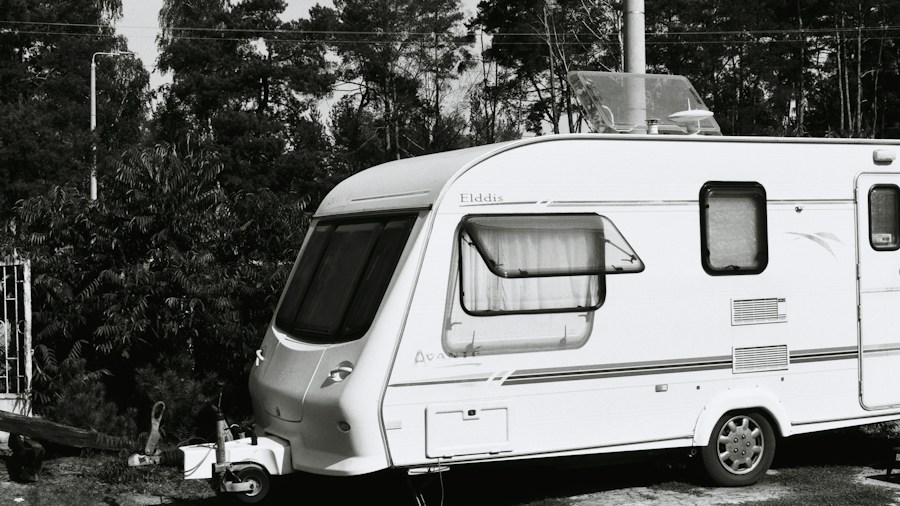
The downturn is not uniform across all RV categories. Towable RVs, which represent the largest segment of the market and include travel trailers and fifth wheels, experienced a 9.7% shipment decline in September compared to the prior year. Manufacturers delivered 20,667 towable units last month, indicating weakening demand among buyers seeking these models.
Motorhomes, the self-propelled category, showed somewhat better resilience. September motorhome shipments totaled 2,653 units, down just 5.5% year-over-year. While still negative, this smaller decline suggests that buyers interested in integrated living and driving solutions face slightly less severe market contraction than the towable segment.
One bright spot exists within the market. Park model RVs, which are compact units often used for seasonal or permanent placement, grew 3.4% in September with 366 wholesale shipments. Even more impressively, park models are up 19.8% year-to-date with 3,804 units shipped, suggesting this niche segment continues to attract buyers seeking affordable, compact RV solutions.
What This Means for Your RV Purchase
Declining shipments create several important dynamics for consumers shopping for an RV. When manufacturers are moving fewer units, dealerships typically carry less inventory on their lots. This can actually work in your favor: with less product flowing through the market, dealers may be more motivated to negotiate on pricing and incentives to move existing stock. However, this also means you might have fewer models and floor plans to choose from at your local dealer.
The 13.7% year-to-date decline suggests manufacturers have been adjusting production schedules downward throughout 2026. This adjustment period can create pricing volatility and shifting availability. Buyers who have been waiting for lower prices might find better deals than earlier in the year, particularly on towable models where the decline has been sharpest. Conversely, those seeking specific popular configurations may find them in short supply.
Consider exploring emerging opportunities within the market. Escape Campervans relaunches with new fleet offerings, providing alternative options for buyers seeking compact, ready-to-travel solutions. Manufacturers may also be bundling added value into packages to stimulate demand, so comparing total package offerings rather than just base prices makes sense right now.
Financing and Warranty Considerations
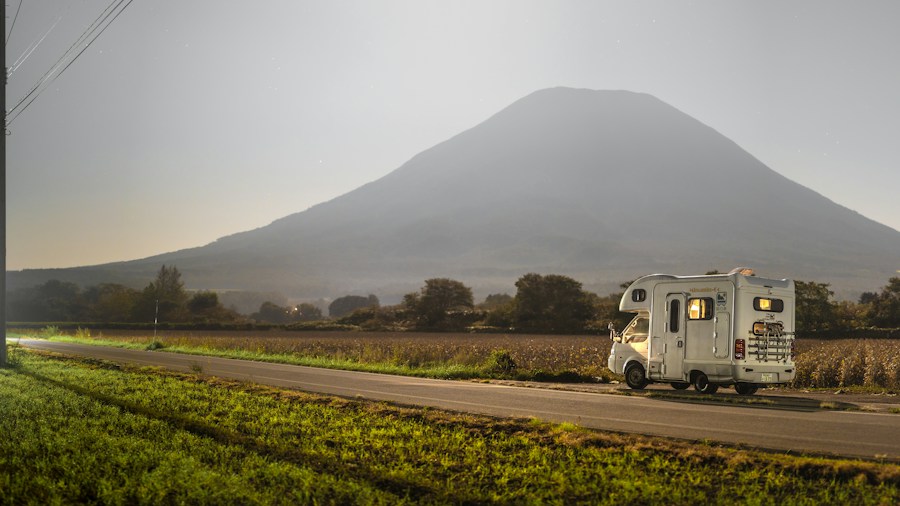
In a softer market, dealers and manufacturers often sweeten the deal in ways beyond sticker price. Extended warranties, included service packages, and more favorable financing terms become negotiating points. The reduced shipment volume means less competition on lots, potentially giving you more leverage in discussions.
RV Designer’s lifetime commitment warranty approach exemplifies how manufacturers are trying to differentiate offerings and build buyer confidence during uncertain market conditions. When evaluating an RV purchase, examine what long-term protections and support come included in the sale.
For buyers concerned about operational costs, BigBattery’s HUSKY 2e lithium battery offers lower-cost power solutions that can enhance your RV experience while managing expenses. These types of upgrades and aftermarket improvements matter more when considering total ownership costs.
Planning Your Purchase Strategy
The current market environment rewards informed shoppers who understand these dynamics. While fewer shipments might initially seem like a disadvantage, smart buyers recognize that softer demand often means better deals. Take time to research specific models across different categories, including park models if your travel style permits, since that segment is actually thriving.
Visit multiple dealerships and gather quotes. In a declining market, dealers are more willing to compete aggressively for your business. Compare total packages rather than focusing solely on vehicle price, and ensure you understand warranty coverage, service support, and what amenities are included versus optional.
The 9.2% September decline and 13.7% year-to-date contraction tell a clear story: this is a buyer’s market. Whether you are shopping for a compact park model, a towable travel trailer, or a motorhome, understand that you hold more negotiating power than you might in a booming market. Use this knowledge to secure the best possible deal on the RV that fits your adventure plans and budget.










Write Your Review
No reviews yet. Be the first to share your experience!