

When you bring your vehicle to a dealership or tire shop for service, the technician performs a tire inspection to assess tread depth, alignment, and overall condition. But what happens when that inspection doesn’t capture all the data it should? Modern diagnostic equipment can miss critical details if a vehicle stops abruptly or the wheels are turned during the automated scanning process. Understanding how shops are upgrading their inspection capabilities can help you make more informed decisions about your tire maintenance and replacement needs.
The Problem With Traditional Tire Inspections
Today’s automated tire inspection systems use advanced technology to measure tread depth and alignment angles, but they rely on precise vehicle positioning to work effectively. In a busy service lane, a driver might stop too early, turn the steering wheel slightly, or position the car improperly during the inspection sequence. When this happens, the equipment may not capture accurate measurements, leading shops to miss potential tire wear issues or alignment problems that could affect your safety and fuel economy.
For shop owners, this inconsistency creates a larger challenge: they can’t reliably track which inspections were compromised by improper vehicle positioning. This makes it harder to identify patterns, set performance goals, or ensure customers receive the complete picture of their tire health before making replacement decisions.
How Connected Inspection Systems Are Changing the Game
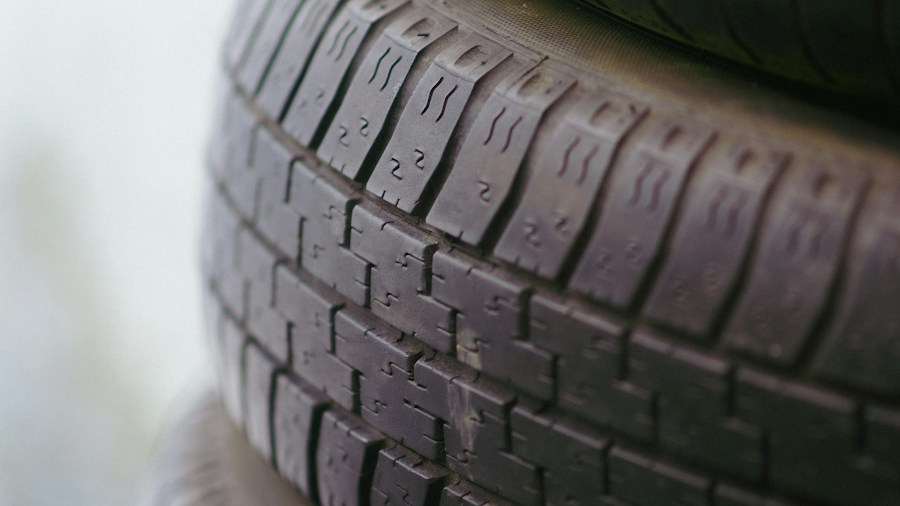
Advanced tire inspection platforms now incorporate cloud-based connectivity and diagnostic tools that flag when vehicles don’t position correctly during scanning. These systems include a diagnostic view that helps shop managers identify exactly when and why an inspection may have been affected by vehicle movement or positioning errors. For busy shops where staff can’t monitor every service lane simultaneously, this real-time feedback helps pinpoint workflow problems and ensures inspection consistency across all customers.
Multi-location tire retailers benefit significantly from cloud-based software updates and specifications that sync across all stores without requiring on-site technician visits. A single console can operate multiple inspection lanes simultaneously, reducing equipment costs while maintaining uniform diagnostic standards. As tire distributors expand delivery networks to reach more customers quickly, the ability to offer consistent, accurate inspections across different service locations becomes increasingly important for brand reputation and customer trust.
What This Means for Your Tire Information
From a shopper’s perspective, these upgrades translate to better transparency about your tire condition. Advanced inspection systems now display detailed visual renderings of your tires on dealership displays before you even speak with a service advisor. Using approximately 400,000 sensor measurements, these systems create comprehensive tire condition profiles that show exactly where tread is wearing, how alignment angles affect longevity, and whether replacement is genuinely necessary or can wait.
Having this visual information before the service conversation begins empowers you to ask informed questions and understand your technician’s recommendations. You’ll know whether a tire truly needs replacement or if it has significant remaining life, helping you make budget-conscious decisions about maintenance timing.
Performance Tracking and Goal Setting

Behind the scenes, modern inspection platforms help shops establish performance dashboards that track alignment completion rates, tread health trends, and equipment utilization over time. This data-driven approach means shop managers can identify seasonal patterns in tire wear, monitor how effectively their service processes catch problems early, and measure whether their recommendations actually lead to timely tire replacements. Reports can be automatically delivered via text or email, ensuring consistent communication.
For customers, this systematic approach to inspection data means fewer missed opportunities for preventive tire maintenance. As tire technology continues to evolve with innovations across the industry, having shops that can accurately track your vehicle’s tire performance becomes increasingly valuable for your long-term vehicle health.
Getting the Most Out of Your Tire Inspection
When you visit a shop for tire service, ask whether they use connected inspection technology and can show you visual tire condition data. Request reports on specific wear patterns and alignment angles affecting your tires. Understanding these details helps you prioritize repairs and replacements that genuinely impact safety and performance. As tire development incorporates more advanced engineering techniques, the inspection data your shop collects becomes an important baseline for understanding your specific vehicle’s needs.
Bottom line: smarter inspection systems benefit shoppers by ensuring accurate tire assessments, transparent condition reporting, and data-backed maintenance recommendations. When shops invest in these technologies, you get reliable information to guide your tire buying and replacement decisions.











Write Your Review
No reviews yet. Be the first to share your experience!