

Tesla Reshapes How the Cybercab Gets Built
Tesla has fundamentally reimagined the assembly process for its Cybercab, ditching the traditional factory playbook in favor of what the company calls its “unboxed” manufacturing approach. Unlike conventional automaking, which follows a linear path of body assembly, painting, and component installation, Tesla’s method breaks the vehicle into modular sections that are built, equipped, and tested separately before final joining. This shift represents a major turning point in how vehicles reach consumers and what that means for future availability and pricing.
How the New Assembly Process Works
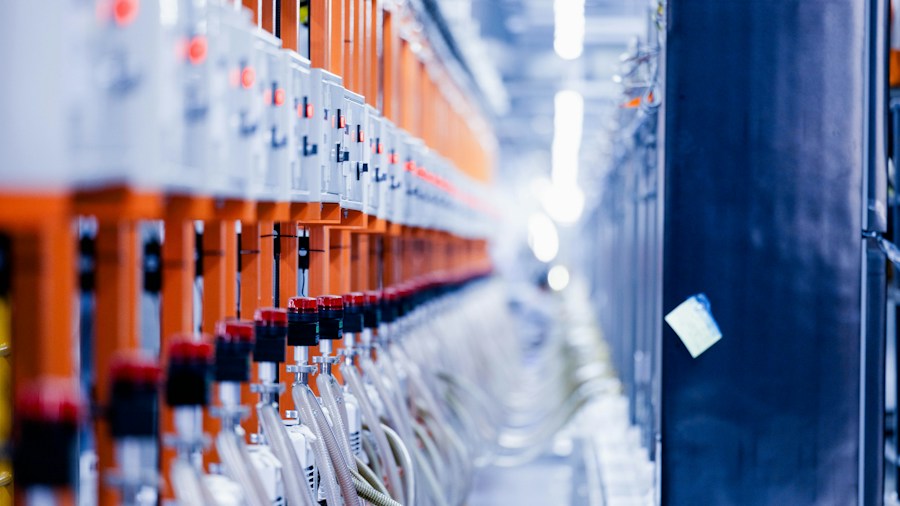
The Cybercab’s production line at Tesla’s Texas facility reveals a fundamentally different philosophy. Rather than moving a bare body through dozens of stations, workers and robots construct the front module, rear section, sides, and floor as independent assemblies. The front module alone contains roughly half of the vehicle’s total parts and components, arriving at the joining station fully equipped with its drive unit, suspension, thermal hardware, and dashboard already installed.
This approach eliminates several traditional bottlenecks. The side sections are assembled flat, allowing workers to install overhead components at comfortable heights. Seats and carpet attach directly to the battery pack, whose cover serves double duty as the cabin floor. By the time these modular pieces converge on the automated framing line, they already contain wiring, hoses, and other internal systems. Robots then position and join them in sequence, followed by a final assembly process requiring only about 25 stations compared to 50 to 250 for conventional vehicles like the Model Y.
No Paint Shop, Faster Turnaround
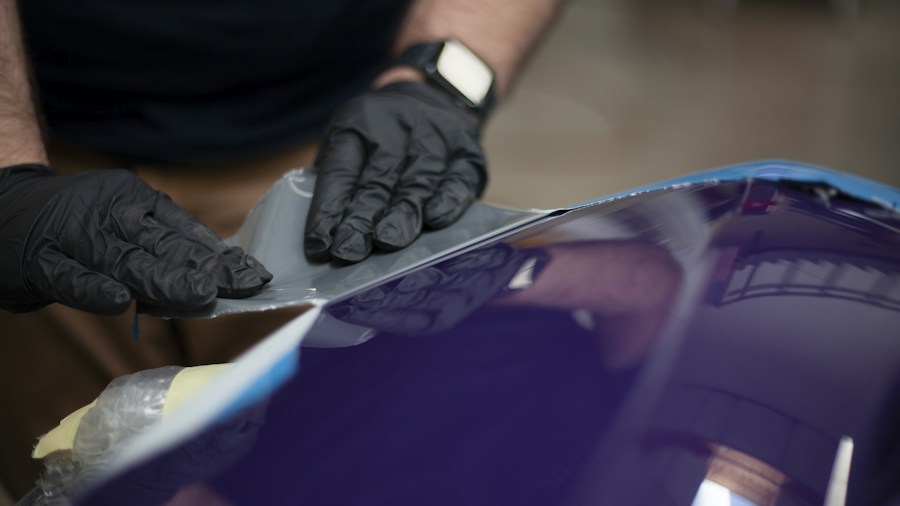
One of the most striking differences is the elimination of the traditional paint shop. Instead of spraying and curing paint after body assembly, the Cybercab’s plastic exterior panels are infused with color during the molding process itself. Tesla explored films and other alternatives before settling on this method, and the company confirms that any scratches remain repairable much like conventional paint would be. The front and rear structural modules also skip electrocoating, though steel side structures retain their protective coating.
This change dramatically reduces factory footprint and complexity. Tesla reports needing roughly half the factory space compared to traditional production methods, streamlining logistics and cutting the number of production steps significantly. The factory runs about 78% automated, allowing for faster throughput and fewer manual intervention points where errors might occur.
Testing and Quality Throughout the Process
Rather than discovering defects after a vehicle is nearly complete, Tesla’s approach embeds quality checks throughout assembly. Individual components are tested before larger assemblies are built, then tested again at the module level. The front module arrives at final assembly with its computers already connected and systems pre-checked, reducing the likelihood of discovering a problem deep inside the finished vehicle.
This staged testing philosophy addresses a fundamental challenge that plagued traditional assembly: the further along a defective component travels, the more expensive the repair becomes. By catching issues early in modular form, Tesla reduces waste and rework.
What This Means for Buyers
Tesla’s robotaxi growth strategy depends on manufacturing efficiency, and the Cybercab’s new production approach positions the company to scale. At full capacity, the Texas line can produce 125,000 vehicles annually. While the factory doesn’t currently run every day due to Tesla’s measured rollout pace, the underlying capability supports Elon Musk’s stated goal of 5 million annual deliveries by 2030, more than double current volumes.
For consumers, the implications are substantial. Faster manufacturing translates to quicker delivery timelines as production accelerates. Simplified assembly and modular design may also simplify future repairs and maintenance, since components remain more accessible than in traditionally built vehicles. Recent demonstrations of the Cybercab have shown strong market interest, and manufacturing efficiency could help Tesla meet demand more effectively than competitors adopting similar philosophies.
The Broader Industry Shift
Tesla is not alone in rethinking assembly. Ford is developing a comparable “assembly tree” approach for its Universal Electric Vehicle platform, beginning with the $30,000 Fathom pickup. This industry-wide recognition that traditional factory layouts are outdated signals a genuine transformation in how vehicles will be manufactured moving forward.
The Cybercab represents a proving ground for these innovations. Its design from the ground up for modular assembly, combined with molded color panels and simplified final assembly, offers a blueprint for next-generation manufacturing. As more automakers adopt similar strategies, the efficiency gains could eventually extend to better availability and potentially more competitive pricing across the EV market.










Write Your Review
No reviews yet. Be the first to share your experience!