

What Happened
A major tire manufacturer has deployed a new generative artificial intelligence system designed to speed up and improve tire development. The system, which launched full-scale operations in August, uses a technology called retrieval-augmented generation to search through internal technical documents and deliver precise answers to development questions. This represents a significant step forward in how tires are engineered and brought to market.
The generative AI system works by allowing development staff to input questions tailored to their specific design goals. The AI then searches the company’s extensive library of regulatory documents, procedure manuals, technical reports, and case studies to find the most relevant information. It displays links to the original documents so engineers can verify the accuracy and relevance of responses before making critical decisions.
The system includes an intelligent agent that goes beyond simple searches. It understands the intent behind each question and continuously refines its results by planning searches, retrieving information, and evaluating what it finds. This iterative approach means developers get better answers faster, reducing the time spent hunting through scattered technical knowledge.
Why It Matters for Shoppers

Faster tire development cycles directly benefit consumers in several ways. When engineers can quickly access the right technical information and validate their decisions with confidence, tire development accelerates and product quality improves. This means new tire designs reach the market sooner, and those designs incorporate better material science and engineering from day one.
The AI system also helps engineers develop better rubber compounds and tire characteristics. By making it easier to access and apply decades of accumulated domain expertise, the system reduces the risk of overlooking important technical considerations. The result is more carefully engineered tires that perform better across different driving conditions and last longer.
Additionally, this technology enables manufacturers to innovate more efficiently across material development, structural design, and performance optimization. When development teams spend less time searching for information and more time actually creating solutions, those efficiency gains eventually reach consumers through better products and potentially more competitive pricing.
The Bigger Picture
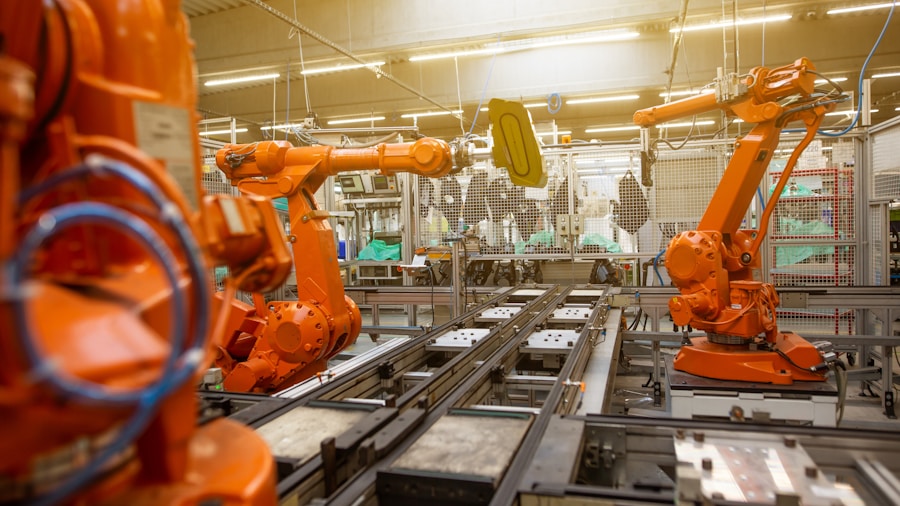
This AI initiative is part of a broader framework designed to blend human expertise with artificial intelligence capabilities. The system was developed to expand a human-AI collaboration environment that began in 2020. The framework recognizes that tire development requires both machine speed and human judgment: the AI handles rapid information retrieval and pattern recognition, while engineers interpret results and make strategic decisions.
The tire industry has been increasingly data-driven for years. Manufacturers use AI to predict how rubber compounds will perform and to generate new material formulations. What makes this new system different is its focus on synthesizing scattered knowledge from years of technical work into usable insights during the development process. Much of that knowledge was previously locked in documents spread across different departments and storage systems, making it hard to access quickly.
The company plans to continue enhancing the system’s capabilities and training staff to use the technology effectively. As tire manufacturers expand their use of AI and digital tools, the competitive pressure to innovate faster will intensify across the industry. Shoppers should expect to see new tire models with improved performance characteristics arriving more frequently.
What You Should Know
While this is a manufacturer-level development, it has real implications for your next tire purchase. As companies leverage AI to accelerate the development cycle, you’ll likely see more specialized tire options tailored to specific vehicle types and driving conditions. The technology also means that tire engineers can spend more time refining performance and less time hunting for information, leading to better overall product quality.
The shift toward AI-assisted development doesn’t replace the expertise of tire engineers: it amplifies it. Experienced engineers still evaluate all recommendations and make final decisions about material properties and design specifications. The AI simply helps them work faster and access relevant technical knowledge more reliably.
In the near term, this means tire manufacturers can respond more quickly to market demands and regulatory changes. It also supports the development of more specialized products, from high-performance tires for luxury vehicles to budget-friendly options for everyday commuters. As tire technology continues to evolve through better development processes, shoppers benefit from having more options and better-engineered products available across all price points and vehicle categories.










Write Your Review
No reviews yet. Be the first to share your experience!