

Understanding the Stakes of Proper Tire Installation
When you take your vehicle to a shop for new tires, the installation process might seem straightforward. However, the way technicians mount your tires directly affects whether you experience vibration, air loss, or sensor damage down the road. Poor mounting techniques can turn what should be a straightforward tire purchase into an expensive problem that requires a return visit to the shop.
The challenge lies in the details. Mounting a tire involves precise steps that vary depending on the equipment being used, and technicians must understand their specific tools inside and out. Even small mistakes can compromise the seal between your tire and wheel, leaving you with a tire that won’t hold air properly or worse, internal damage that shortens the tire’s lifespan.
The Critical Role of the Tire Bead
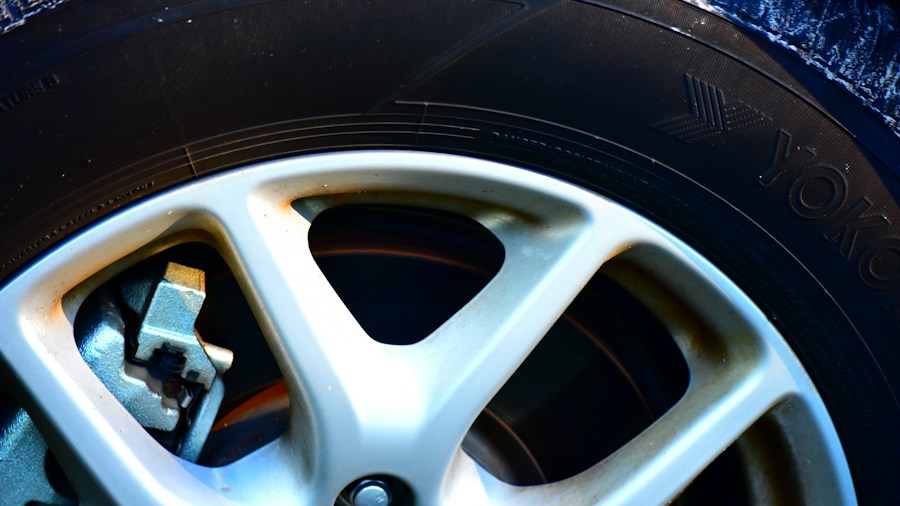
At the heart of proper tire installation is protecting something you’ve probably never heard of: the tire bead. This is a reinforced metal band embedded in the inner edge of your tire. Its job is to create an airtight seal between the tire and the wheel, which allows the assembly to hold pressure. When the bead gets stretched, torn, or otherwise damaged during installation, the tire cannot seal properly, and you lose air or experience persistent problems.
Before your tire even arrives at the mounting station, the bead may already have taken hits. Underinflated driving, curb contact, or off-road obstacles can all damage the bead before a technician ever touches it. This is why reputable shops inspect both the wheel surfaces and the tire bead before mounting begins. This inspection catches existing damage and prevents technicians from making the situation worse.
Mounting Techniques That Prevent Damage
The mounting process requires careful attention to where pressure is applied. When technicians break the bead away from the wheel, they must never apply force directly at the valve stem or tire pressure monitoring sensor (TPMS). Instead, pressure should be applied 90 or 180 degrees away from these sensitive components. Direct pressure at the valve stem or sensor causes damage that leads to a comeback appointment and customer frustration.
Lubrication plays an equally important role. Technicians must use an approved mounting lubricant applied generously to the tire bead. This lubricant helps the tire move smoothly along the wheel barrel during installation. Shops that skimp on lubrication or use the wrong product risk bead damage, which is one of the most common installation-related problems.
Different tire changers, such as rim clamp and pedestal models, require different techniques. Professional technicians follow the procedures specified for their particular equipment to ensure proper mounting every time. Investment in proper technician training ensures that shops stay current with best practices and equipment-specific protocols.
The Inflation and Seating Process
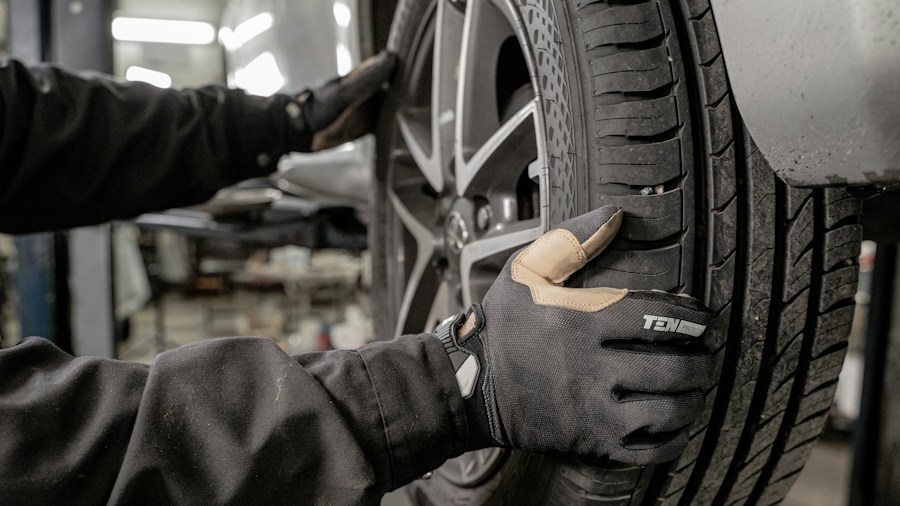
After the bead initially seats on the wheel, the correct procedure involves fully deflating the tire before reinflating it to operating pressure. This two-stage inflation allows the bead to settle evenly on the wheel surface and helps ensure that your tire is centered properly on the rim. Skipping this step or rushing the inflation can result in uneven seating, which leads to vibration and uneven wear.
Once inflation is complete, your tire should be balanced and inspected one final time. Professional shops take these final verification steps seriously because they know that poor mounting not only wastes the customer’s money but also damages the shop’s reputation.
What This Means for Your Next Tire Purchase
When you’re shopping for a new set of tires, the quality of the product matters, but installation quality matters equally. Ask your tire shop about their mounting procedures and whether technicians follow equipment-specific guidelines. Find out whether they inspect wheels and tire beads before mounting and whether they use approved lubricants. Choosing the right tire for your vehicle is only half the battle, as installation can make or break the experience.
If your shop doesn’t explain their mounting process or seems dismissive of these details, that’s a red flag. Reputable tire dealers understand that proper mounting prevents vibration, extends tire life, protects TPMS sensors, and keeps customers satisfied. By choosing a shop that prioritizes these procedures, you protect your investment and avoid costly comebacks.
The next time you buy tires, don’t just compare prices and brands. Ask about the mounting process and verify that your shop takes the installation steps seriously. A few extra minutes of attention during installation can save you hundreds of dollars and countless hours of frustration down the road.











Write Your Review
No reviews yet. Be the first to share your experience!