

The powersports industry is experiencing a pivotal shift as the utility terrain vehicle segment continues to grow and evolve. Recent coverage from industry sources highlights an emerging UTV market that is reshaping how dealers and manufacturers approach the off-road vehicle category. For consumers looking to invest in a side-by-side or similar recreational vehicle, understanding these market dynamics is essential to making an informed purchase decision.
What’s Happening in the UTV Sector
The UTV market is gaining momentum as more manufacturers recognize consumer demand for versatile, off-road capable vehicles. This growth is not merely incremental; it represents a fundamental expansion of product categories and dealer inventory priorities. Industry insiders are tracking this trend closely, as it influences everything from vehicle availability to pricing and dealer support services.
Several factors are driving this expansion. First, UTV technology has matured significantly, making these vehicles more reliable and feature-rich than previous generations. Second, consumer interest in outdoor recreation and off-road adventures continues to climb. Third, dealers are discovering that UTVs offer strong profit margins and customer loyalty opportunities that rival other powersports categories.
What This Means for Buyers Right Now

If you are considering purchasing a UTV, the current market environment offers both opportunities and challenges. On the positive side, increased competition among manufacturers is spurring innovation. You will find more model options, varied price points, and enhanced aftermarket support than ever before. Major brands are committing to the segment with compelling new models for 2027, which means fresh features and improved performance specifications coming to dealership floors soon.
The downside is that rapid market growth can sometimes create inventory fluctuations. Popular models may experience temporary stock shortages, especially as dealers balance their purchasing decisions between traditional powersports categories and the surging UTV segment. Smart shoppers should act strategically: identify your specific needs, visit multiple dealers to compare offerings, and consider ordering early if you have your heart set on a particular configuration.
Pricing and Dealer Inventory Shifts
As the UTV market expands, pricing strategies are becoming more competitive. Dealers are recognizing that UTV customers are often younger or newer to powersports, which means they’re adjusting marketing and financing approaches accordingly. Some dealers are bundling accessories or providing extended warranty packages to improve the overall value proposition. Prices are not necessarily dropping, but consumers are gaining more negotiating flexibility and package customization options.
Inventory allocation is shifting too. Established dealers who have traditionally focused on motorcycles or ATVs are now dedicating showroom space to side-by-sides and UTVs. This shift reflects confidence in the category’s long-term viability. When shopping, you will notice that dealer specialization is becoming more nuanced. A dealer who once sold only motorcycles may now position themselves as a full-service UTV resource.
How Aftermarket Parts Are Shaping the Segment
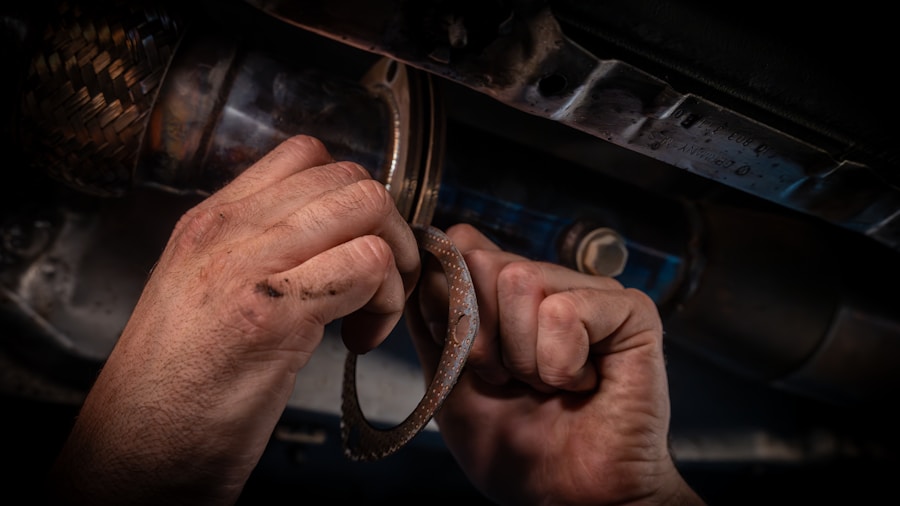
The UTV expansion is creating ripple effects throughout the aftermarket parts industry. Manufacturers and dealers are increasingly interested in which parts come from OEM sources versus third-party suppliers. This data-driven approach helps them optimize their parts inventory and predict future customer needs.
For buyers, this means that upgrade options are expanding rapidly. Whether you want to add protective skid plates, upgrade suspension components, or install custom lighting, the aftermarket ecosystem is becoming deeper and more sophisticated. Adventure-focused buyers are also discovering specialized accessories like lightweight camper trailers designed specifically for UTV platforms, opening new lifestyle possibilities.
Industry Events and What They Signal
Major trade shows and industry conferences are increasingly featuring UTV content and dedicated programming for dealers. This increased visibility at industry gatherings underscores the segment’s strategic importance. Dealer education initiatives are expanding to help sales teams better understand UTV technology and customer needs.
For consumers, industry-level attention means better-trained dealership staff and more cohesive customer support networks. When your local dealer has access to comprehensive training and industry best practices, you benefit through superior service quality and more knowledgeable salespeople.
Looking Ahead to Your UTV Purchase
The emerging UTV market presents an ideal window for buyers. Competition is intensifying, which benefits consumers through better pricing and expanded options. Even unconventional entrants are exploring the market with innovative approaches that could reshape pricing expectations. Dealer networks are strengthening their UTV expertise, making them better equipped to guide your purchase and support your ownership experience.
The key is to educate yourself before visiting a dealership. Understand what size UTV fits your needs, whether you need two-seat or four-seat capacity, and what performance features matter most to your planned use. Visit multiple dealers, take test drives, and don’t hesitate to negotiate. The UTV market’s expansion is working in your favor as a consumer.






Write Your Review
No reviews yet. Be the first to share your experience!