

Production Shutdown at Toledo Plant
Stellantis has temporarily stopped manufacturing the Jeep Wrangler at its Toledo North Assembly facility in Ohio following a hazardous chemical leak at an adjacent industrial site. The incident forced immediate worker evacuations and prompted shelter-in-place orders for the surrounding area on Tuesday evening. Wednesday’s production shifts were subsequently canceled as emergency crews responded to the situation.
The leak originated from a storage tank at an MC Tank Transport facility located next to the Wrangler assembly plant. The chemical involved, glycidyl methacrylate, is an industrial compound known to cause irritation to the eyes, nose, mouth, and skin upon exposure. This proximity to Stellantis’s manufacturing operations left the company no choice but to halt all Wrangler assembly work until safety conditions improved.
Timeline and Safety Measures
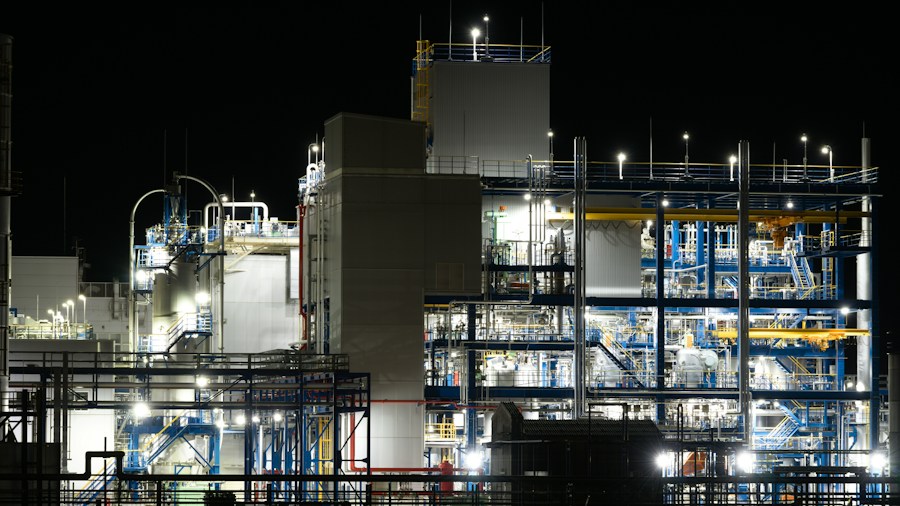
Emergency responders worked quickly to contain the situation and protect workers and nearby residents. While authorities lifted the shelter-in-place order relatively soon after the incident, an evacuation zone remained in effect around the affected area. Stellantis has not announced a specific date for resuming Wrangler production, stating instead that manufacturing will restart only once air quality monitoring confirms that conditions around the plant are completely safe for workers and operations.
The shutdown adds another layer of disruption to Stellantis’s operations in recent weeks. Separately, the Jeep Gladiator, which is manufactured at the adjacent South Assembly plant, was already scheduled for the entire week off for unrelated maintenance and production adjustments.
What This Means for Shoppers
For consumers looking to purchase a new Wrangler, the good news is that a prolonged shortage appears unlikely in the near term. Dealership inventory currently sits at approximately 156 days’ worth of vehicles, significantly above the automotive industry’s standard target of 85 days. This healthy stock level provides a cushion that should prevent stock-outs even with a temporary production pause, assuming the shutdown doesn’t extend for several weeks.
Shoppers interested in specific configurations or trim levels may want to act quickly if they’re targeting a particular build. While overall availability shouldn’t be constrained immediately, extended production delays could begin to affect certain options or colors as existing inventory moves through the sales pipeline. The 2026 Wrangler features new toolless door removal technology, making it worth exploring current model year options before ordering new vehicles.
Broader Context for the Brand
This chemical leak incident is part of a series of operational challenges facing Stellantis. The corporation is also contending with labor pressure in its Canadian operations, where unionized workers recently voted overwhelmingly in favor of a strike. That job action could potentially disrupt production at the Dodge Charger plant in Windsor, further straining the manufacturer’s output across multiple product lines.
For Wrangler enthusiasts, it’s worth noting that the lineup continues to evolve with special editions and feature upgrades. The Switchback Final Edition represents a noteworthy variant for those shopping this model year, and these limited-production vehicles may see increased demand if production challenges persist.
What You Should Do Now
If you’re in the market for a Wrangler, monitor your local dealerships and manufacturer announcements for updates on production restart timelines. The current inventory level is reassuring, but don’t assume availability will remain constant. Contact dealers about specific models and configurations you’re interested in, and ask whether they anticipate any allocation challenges in the coming weeks.
For those not in a rush, waiting a few weeks for clarity on the production schedule makes sense. For buyers with a firm timeline, exploring available current inventory and the JL-2A retro edition may provide good options today. The chemical leak is a localized, temporary issue rather than a fundamental supply chain problem, so normal operations should resume once safety protocols are satisfied.






Write Your Review
No reviews yet. Be the first to share your experience!