

Purchasing used tires is a smart way to reduce your replacement tire costs while still maintaining safe, reliable performance on the road. However, not all used tires are created equal, and making the right choice requires knowing what to examine before you hand over your money. Here are seven essential tips to guide your used tire purchase.
1. Verify the Seller Inspects and Tests Every Tire
Reputable sellers don’t just grab tires off a shelf and sell them to you. Instead, look for retailers who conduct thorough inspections and air-pressure testing on each tire before offering it for sale. This process ensures that the tires you’re buying have been vetted for safety and performance. When a seller takes the time to test their inventory, you gain confidence that you’re not inheriting hidden problems.
2. Check Tread Depth and Overall Tread Condition

The amount of usable tread remaining on a used tire is one of your most important purchasing considerations. Tread depth directly affects your tire’s grip, braking ability, and water evacuation on wet roads. Ask the seller how much tread is left, and inspect it yourself using the penny test or a tread depth gauge. Aim for tires with substantial tread remaining, which gives you more miles of safe driving ahead. When you understand tire ratings and what they mean for your purchase, you’ll be better equipped to evaluate quality.
3. Confirm Proper Storage Conditions
How a seller stores used tires matters more than many buyers realize. Tires that have been exposed to extreme temperatures, direct sunlight, or humid conditions can deteriorate faster and develop dry rot or cracking. Ask whether the retailer maintains a climate-controlled storage environment. Tires kept in stable temperature conditions last longer and retain their structural integrity, making them a better value for your money.
4. Ask About Tire Repair History
Not all tire damage can be safely repaired. A qualified technician should always inspect a tire off the wheel to determine whether repair work is advisable and safe for your vehicle. This is especially critical when it comes to sidewall damage, which typically cannot be repaired on passenger tires. Steer clear of sellers who casually offer to repair sidewall issues, as this is a major safety red flag. If a tire has been repaired, ensure the work was done correctly by a certified professional.
5. Look for Age Information and Date Codes
Tires have a manufacturing date printed on their sidewall as a four-digit code. The first two digits represent the week, and the last two represent the year. A tire that is several years old may have degraded rubber even if the tread looks acceptable. While a used tire from two or three years ago is typically fine, avoid tires manufactured more than five to seven years ago. Age combined with mileage gives you a complete picture of a tire’s remaining lifespan.
6. Compare Pricing Against New Tire Alternatives
Used tires should cost noticeably less than new ones, but do your homework first. Check the price of new budget-friendly tires for your vehicle, then compare that to what used tires are selling for. You should be saving at least 50 percent, ideally more. If the savings are minimal, you might be better off purchasing new tires with a full warranty instead. Sometimes the best deal isn’t always the cheapest option upfront.
7. Purchase from Established Retailers
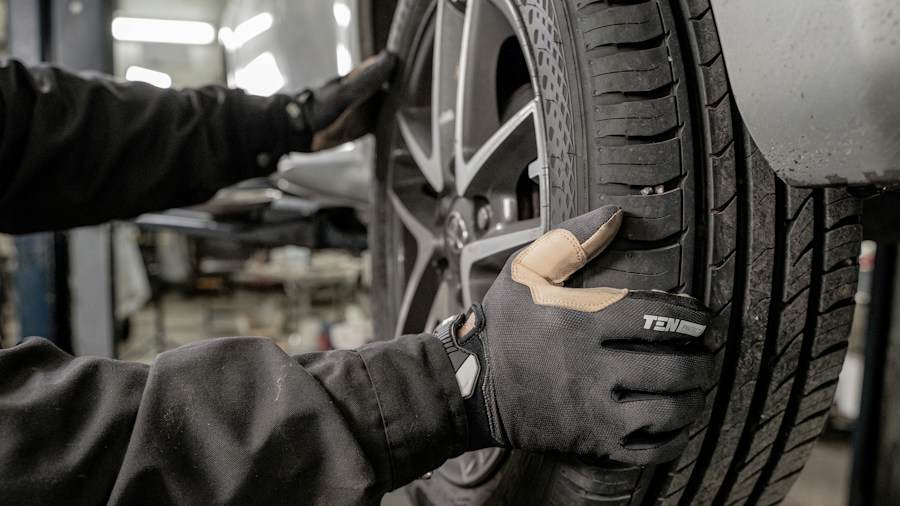
Buy your used tires from established retailers with verifiable customer reviews and transparent practices. When you shop from tire shops with a solid local presence, you have recourse if something goes wrong. Established retailers stand behind their inventory and can provide documentation of tire inspection, previous repair work, and storage conditions. This accountability gives you peace of mind with your purchase.
Making Your Decision
Buying used tires can deliver real savings without sacrificing safety or reliability. By following these seven tips, you’ll know exactly what to look for when evaluating a used tire purchase. Take your time, ask detailed questions, and don’t settle for incomplete information. A well-chosen used tire delivers excellent value and keeps your vehicle running safely for thousands of miles to come.









Write Your Review
No reviews yet. Be the first to share your experience!