

Understanding Tire Sidewall Ratings
When you’re shopping for a new tire or inspecting the one on your vehicle, you’ve likely noticed numbers and letters stamped on the sidewall. These ratings can feel like a secret code, but they actually convey important information about how a tire is expected to perform. Two of the most common ratings you’ll encounter are treadwear grades and traction ratings, and understanding what they mean can help you make a smarter purchasing decision.
What Treadwear Ratings Tell You
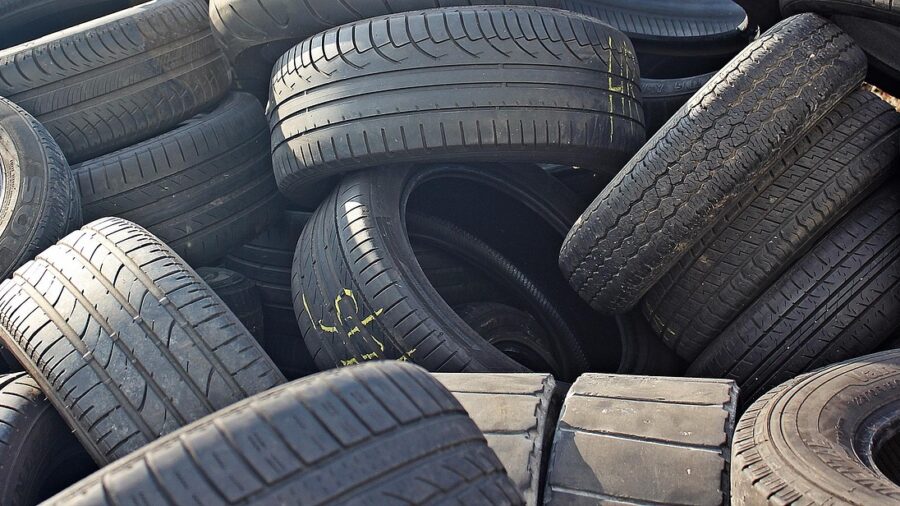
The treadwear grade is a numerical value that compares how long a tire’s tread lasted during a standardized testing process. During these controlled tests, tires are subjected to consistent conditions, and engineers measure how much tread wore away over a fixed distance. A higher treadwear number generally indicates that the tire’s tread wore more slowly during testing, suggesting it should hold up longer under similar real-world conditions.
However, it’s critical to understand what this rating does not guarantee. The treadwear grade is not a mileage warranty or a promise that your tire will last a specific number of miles. Real-world performance depends on many variables that the controlled test cannot replicate. Your actual tire lifespan depends on factors like how you drive, your vehicle’s alignment and maintenance, the roads you travel, and your local climate. Aggressive driving, underinflation, misalignment, and extreme temperatures can all significantly reduce how long your tread actually lasts, regardless of the treadwear rating.
Traction Ratings and What They Measure
Traction ratings evaluate a tire’s ability to grip wet pavement and bring a vehicle to a stop during controlled, straight-line braking tests. These ratings are typically labeled as AA, A, B, or C, with AA representing the highest traction performance. When you’re comparing two tires side by side, traction ratings can be a useful reference point to understand their wet-weather braking capability.
That said, traction ratings have significant limitations. They measure only one specific aspect of tire performance: stopping power on wet roads in a straight line. They do not measure how well a tire handles cornering on wet pavement, navigates curves safely, maintains control on dry roads, or performs in snow or other extreme conditions. A tire with a high traction rating may still not deliver the overall performance profile you need for your particular driving patterns.
Using Ratings as Part of Your Decision

Treadwear and traction ratings should be viewed as helpful tools within a larger decision-making process, not as the sole factors in your choice. When shopping for a tire, consider these ratings alongside other important elements: your specific vehicle and its manufacturer recommendations, your personal driving habits and the conditions you most often encounter, and how you intend to use the tire (commuting, off-road, highway cruising, or performance driving).
Talk to a tire professional who understands your vehicle and your needs. They can explain what these ratings mean in the context of your situation and help you identify which tires align with your priorities, whether that’s longevity, wet-weather safety, comfort, or fuel efficiency. Many shops today employ knowledgeable staff who stay current on tire technology and can connect these technical specs to real-world performance.
Putting It All Together
Tire shopping doesn’t have to be confusing. By learning what treadwear and traction ratings actually represent, you gain a clearer picture of how different options compare in two specific areas. Remember that ratings are a starting point, not the complete story. Maintenance, driving habits, alignment, inflation, and climate all play major roles in how long your tire will last and how safely it will perform. Take time to understand your own needs, review the ratings, ask questions, and make a decision based on the full picture rather than a single number.











Write Your Review
No reviews yet. Be the first to share your experience!