

Why Your Tire Pressure Warning Light Matters
When your tire pressure monitoring system (TPMS) warning light illuminates on your dashboard, your first instinct might be to panic or assume a tire has failed. However, a lit TPMS warning doesn’t automatically mean you need to replace a sensor or rush to the repair shop. The actual problem could stem from several different issues: a sensor that’s wearing out, a communication breakdown between your vehicle and the sensor, or a mismatch in sensor identification that requires a system relearn. Understanding what triggers that warning light is the first step toward making smart repair decisions and avoiding unnecessary expenses.
Tip 1: Diagnose Before You Repair
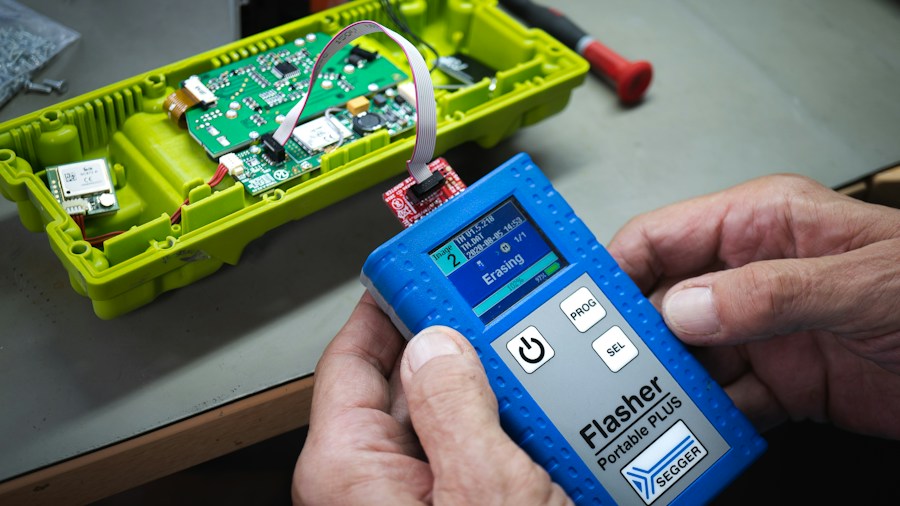
The most important action you can take when your TPMS warning appears is to identify the root cause. Professional diagnostic equipment can activate each sensor in your tires and retrieve critical information within seconds, including the sensor’s unique identification number, current tire pressure, temperature readings, battery health, and communication status. This data is then compared against information stored in your vehicle’s TPMS control module. A clear diagnostic picture prevents you from replacing parts that don’t need replacing and wasting time on unnecessary work.
Tip 2: Look for Sensor ID Mismatches
Sometimes a TPMS warning light appears because the system detects a mismatch between the sensor’s identification code and what the vehicle’s computer expects. This might happen after a tire rotation, sensor replacement, or if a sensor has been accidentally reprogrammed. Modern diagnostic tools display this information in an easy-to-understand color-coded format, allowing technicians and informed vehicle owners to spot failed, failing, or mismatched sensors at a glance without removing wheels or guessing about which component is at fault.
Tip 3: Understand When Replacement Is Necessary
If diagnostic testing confirms that a sensor has genuinely failed, replacement becomes your only option. The good news is that modern programmable replacement sensors offer flexibility and broad compatibility. Many aftermarket options now provide coverage for a wide range of domestic, Asian, and European vehicle applications, which means repair shops can stock fewer SKUs while maintaining the ability to service virtually any vehicle that rolls into their bay. When your vehicle needs a new sensor, a technician can program it to match your specific vehicle’s requirements.
Tip 4: Consider Relearning as an Alternative
Replacement isn’t always the answer. Tire ratings and system specifications vary, and sometimes your existing sensors simply need to be relearned by your vehicle’s computer. Different vehicles support different relearn procedures: some use a stationary method performed while parked, others use an automatic relearn triggered during normal driving, and many can be relearned through the on-board diagnostic port. Professional technicians know which method applies to your vehicle and can guide you through the proper steps.
Tip 5: Verify the Repair Before You Leave
Once a sensor has been replaced or a relearn procedure has been completed, the work isn’t finished until verification happens. Your technician should activate all sensors a second time to confirm they’re communicating properly with the vehicle and that the warning light has been resolved. This final step is often overlooked, but it’s essential for ensuring your TPMS is functioning correctly and that you won’t experience the same warning light again a few weeks down the road.
Tip 6: Know Your Tire Maintenance Basics
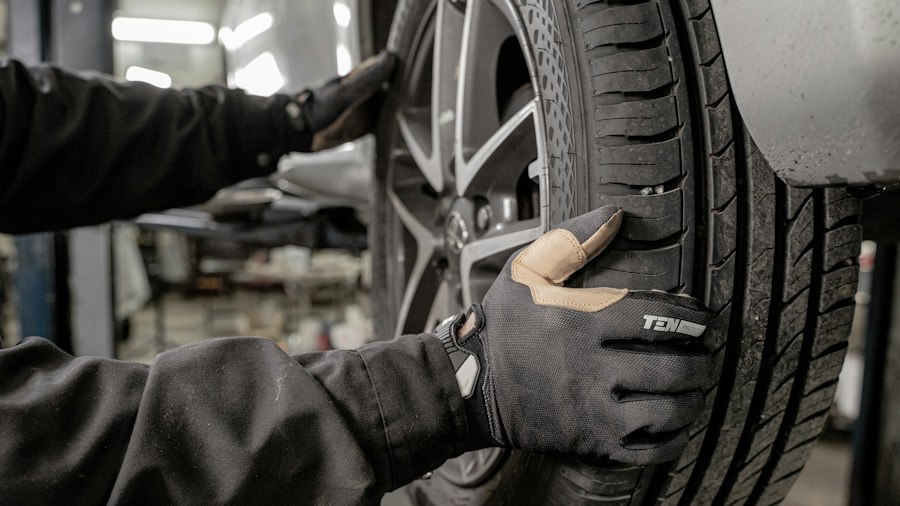
A functioning TPMS is only part of proper tire care. Smart tire buying practices and regular monitoring help you avoid premature wear and safety issues. Check your tire pressure monthly using a reliable gauge, rotate your tires according to your vehicle’s service schedule, and have your wheel alignment checked if you notice uneven wear patterns.
Tip 7: Don’t Ignore Early Warning Signs
TPMS warning lights often appear when sensor batteries are beginning to fail, before they stop communicating entirely. Addressing the issue promptly prevents you from being stranded with a completely non-functional system. Additionally, maintaining accurate tire pressure based on TPMS readings helps you achieve better fuel economy, extend tire life, and improve overall vehicle handling. Modern tire technology depends on proper pressure to deliver the performance and safety features manufacturers engineered into every tire.
By understanding how your TPMS works and following these practical steps, you can make informed decisions about repairs, avoid unnecessary expenses, and keep your vehicle operating safely and efficiently for years to come.











Write Your Review
No reviews yet. Be the first to share your experience!