

Why Your Tire Installation Isn’t Complete Without a Follow-Up Visit
Getting new tires installed is an important investment in your vehicle’s safety and performance. However, many drivers don’t realize that the installation process has a critical final step that shouldn’t be skipped. After driving approximately 30 miles on your newly installed tires, you should return to have a lug nut torque check performed. This simple follow-up inspection can prevent serious problems down the road and give you confidence in your tire installation.
Understanding Lug Nut Torque and Why It Matters
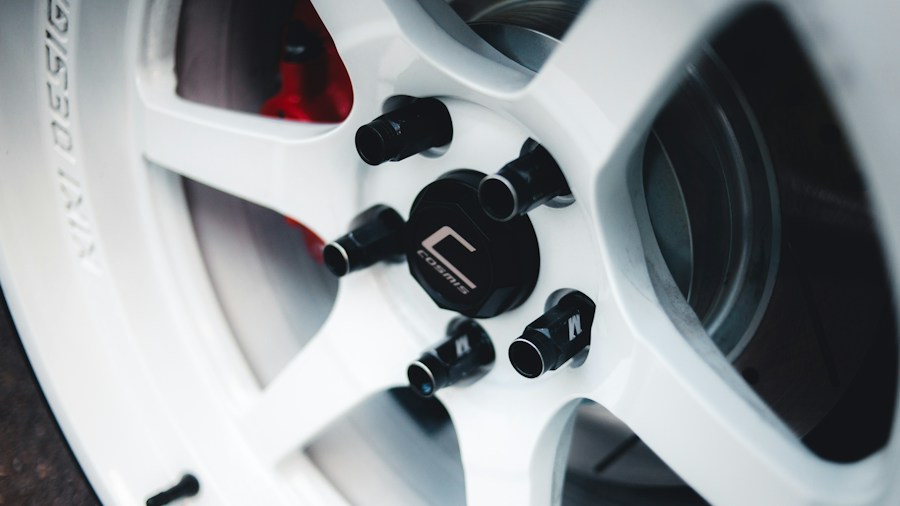
During initial tire installation, trained technicians tighten every lug nut in a specific sequence and to the exact torque specification determined by your vehicle’s manufacturer. This precise tightening ensures that wheels are securely fastened and that load is distributed evenly across all fasteners. However, the work doesn’t end when the installation is complete. The tire installation step you cannot ignore is the post-drive torque verification, which confirms that fasteners remain at their proper tightness after your vehicle returns to normal driving conditions.
What Happens During the First 30 Miles
Once you drive away from the tire shop, your vehicle experiences a range of forces that affect how wheels settle onto the hub. Acceleration, braking, turning, and road vibration all work together to shift components slightly. During this initial break-in period, wheel fasteners can settle into their final positions. Some lug nuts may loosen slightly as these normal driving forces interact with the newly installed wheels. This settling is completely normal and expected, which is why the follow-up torque check is so important.
The Follow-Up Inspection Process
The torque check itself is straightforward and takes only a few minutes. During this inspection, a technician uses a torque wrench to check each lug nut for movement or looseness. They verify that every fastener is still tight to your vehicle manufacturer’s specifications. If any lug nut has shifted or loosened slightly, the technician will bring it back to the correct torque. This proactive approach catches minor issues before they become serious safety concerns. As tire markets continue to evolve with new suppliers and options, quality installation practices remain a constant foundation for safety.
Peace of Mind and Wheel Security
The main benefit of scheduling a post-installation torque check is the assurance that your wheel installation is truly complete and secure. Loose lug nuts can lead to wheel wobble, vibration, premature tire wear, and in extreme cases, wheel separation. By catching and correcting any looseness early, you eliminate these risks entirely. This quick follow-up visit represents a small investment of time that protects both your safety and the longevity of your new tires.
What Drivers Should Do
If you’ve recently had new tires installed, contact your tire shop and schedule a follow-up appointment. Bring your vehicle back after driving it approximately 30 miles in normal conditions. Make sure the shop performs a complete lug nut torque check using proper torque specifications for your specific vehicle. This step is especially important if you’ve had wheels off for any reason, whether for tire replacement, rotation, or repair. Don’t assume the job is finished just because you’ve driven away with new tires. Quality tire shops prioritize these best practices to ensure customer satisfaction and vehicle safety.
The Bottom Line
A lug nut torque check is a simple, fast, and highly valuable step that completes your tire installation properly. This follow-up visit confirms that your wheel fasteners remain tight and secure after normal driving. By scheduling this inspection, you’re taking an active role in maintaining your vehicle’s safety and protecting your tire investment. Most shops offer this service at no charge or for a nominal fee. It’s a small detail that makes a significant difference in your driving experience and long-term tire performance.











Write Your Review
No reviews yet. Be the first to share your experience!