

When you get new tires installed on your vehicle, you might think the work ends when the technician finishes tightening the last lug nut. However, there’s one essential step that many shoppers overlook: a torque verification appointment scheduled after the first 30 miles of driving. This follow-up inspection could be the difference between a secure wheel installation and a potentially dangerous situation down the road.
What Happens During Tire Installation
Professional tire installation involves more than just removing old tires and mounting new ones. Technicians must tighten every lug nut in a precise sequence and to the exact torque specification set by your vehicle’s manufacturer. This specification varies depending on your car, truck, or SUV model, and following it correctly is critical for wheel safety.
During the initial installation, technicians use calibrated tools to apply the correct amount of rotational force to each fastener. The sequence matters too, because tightening lug nuts in the wrong order can result in uneven pressure on the wheel and rotor.
Why a 30 Mile Torque Check Matters
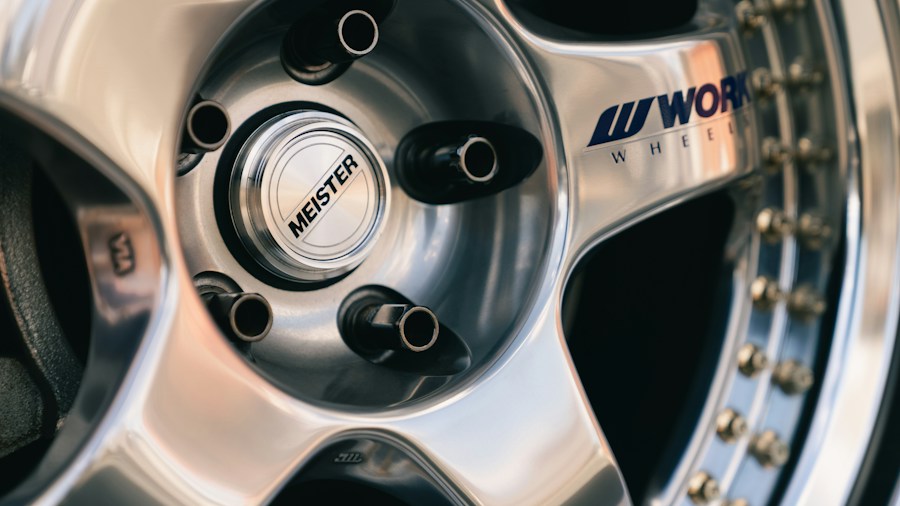
Once you drive your vehicle, the wheels experience forces that can cause components to settle differently than they did in the shop. Vibrations from the road, turning, braking, and acceleration all contribute to movement that might affect how tightly the lug nuts are seated.
A follow-up torque check at around 30 miles of driving allows technicians to inspect whether each lug nut has maintained its proper tension. If any fastener has loosened slightly, it can be re-tightened immediately before a problem develops. Understanding tire maintenance procedures helps shoppers recognize why these checks are worth their time.
What Technicians Look For
During the follow-up inspection, the technician will systematically check each lug nut for any signs of movement or loosening. They use the same calibrated torque tools from the original installation to verify that every fastener meets the manufacturer’s specification. If any nut has slipped out of tolerance, the technician will bring it back to the correct torque value.
This process is quick and straightforward, but it provides critical reassurance that your wheels are secure. A loose lug nut can gradually become looser with continued driving, potentially leading to wheel wobbling, rotor damage, or even wheel separation in extreme cases.
What This Means for Tire Buyers

If you’re planning to purchase new tires in the coming months, ask your tire retailer or service shop whether they include a complimentary torque check after installation. Many reputable shops offer this service automatically, while others may charge a small fee. Either way, it’s worth scheduling and keeping the appointment.
Don’t assume that because your installation felt smooth or looked perfect that the job is completely done. The forces of normal driving are powerful enough to loosen fasteners that were properly tightened just hours before. The tire market continues to evolve with new competition and product options, but basic safety practices remain unchanged.
Protecting Your Wheels and Your Safety
This follow-up step is one of the most affordable ways to protect your investment in new tires and ensure your wheels remain secure throughout their lifespan. When you return after 30 miles, the shop may also perform other quick checks, such as tire pressure verification or visual inspections for any signs of irregular wear.
Remember that tire installation goes beyond just mounting and balancing. The complete job includes that critical follow-up verification. As vehicle specifications continue to change, proper installation procedures become even more important.
When you schedule new tires, ask your service provider about their torque check policy upfront. A quality shop will welcome this question and may have already factored it into their installation process. By taking this simple step, you’ll drive away from the tire shop with complete confidence that your wheels are installed correctly and safely.











Write Your Review
No reviews yet. Be the first to share your experience!