

Tesla owners who are considering the 2026 Model Y for long-distance travel are getting a clearer picture of what to expect based on recent real-world testing. A cross-country journey from Wisconsin to Utah covering roughly 1,500 miles has revealed both the strengths and current limitations of the latest generation vehicle paired with Full Self Driving V14 technology.
Battery Range and Charging Performance
The new 2026 Model Y demonstrated noticeably improved range compared to previous generation vehicles, allowing drivers to maintain higher highway speeds without needing to slow down before reaching charging stations. Travelers reported being able to maintain speeds around 80 miles per hour consistently, whereas older models with similar cargo loads frequently required dropping to 60 or 65 mph to reach the next Supercharger safely.
However, charging speeds showed mixed results across different hardware generations. At older V2 Supercharger hardware locations, the vehicle charged at only 50 kilowatts when stalls had to be shared with adjacent cars, taking approximately 40 minutes for a full charge. Newer Hardware 4 chargers delivered significantly faster performance at nearly 100 kilowatts. This variation highlights why understanding Supercharger network infrastructure matters for long-distance planning.
Supercharger Network Congestion Increasing
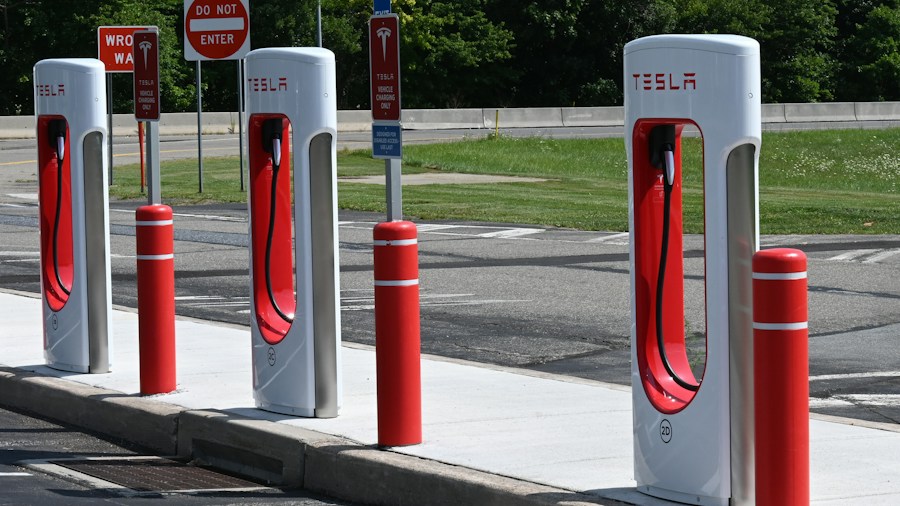
One notable finding from the journey was the first-time observation of full Supercharger stations along traditionally quiet routes. Peak travel periods now see wait times and full capacity charging stations that were rare even a few years ago. The network is clearly experiencing growing demand as more Tesla owners take to the roads, particularly during holiday travel seasons and favorable weather windows.
Navigation features proved valuable for handling unexpected road closures and traffic issues, automatically rerouting drivers around construction zones and congestion. However, the system does not always explain routing decisions in advance, requiring drivers to build trust in the recommendations over time.
Full Self Driving Reliability Remains a Concern
While Full Self Driving V14 performed excellently through complex urban environments like Minneapolis, the technology experienced significant malfunctions during this journey. After leaving a Supercharger near Minneapolis, the system became unavailable and remained non-functional for nearly two days despite multiple troubleshooting attempts including camera recalibration and complete vehicle reboots. The system also displayed incorrect speed limit information, showing 15 mph on a 65 mph highway.
For drivers who pay $99 monthly for this premium feature, extended outages represent a substantial concern. The camera calibration process proved particularly frustrating, requiring manual intervention and sometimes oscillating back and forth repeatedly before completing successfully. Tesla owners continue to report varied experiences with automation features across different model configurations.
Practical Considerations for Buyers
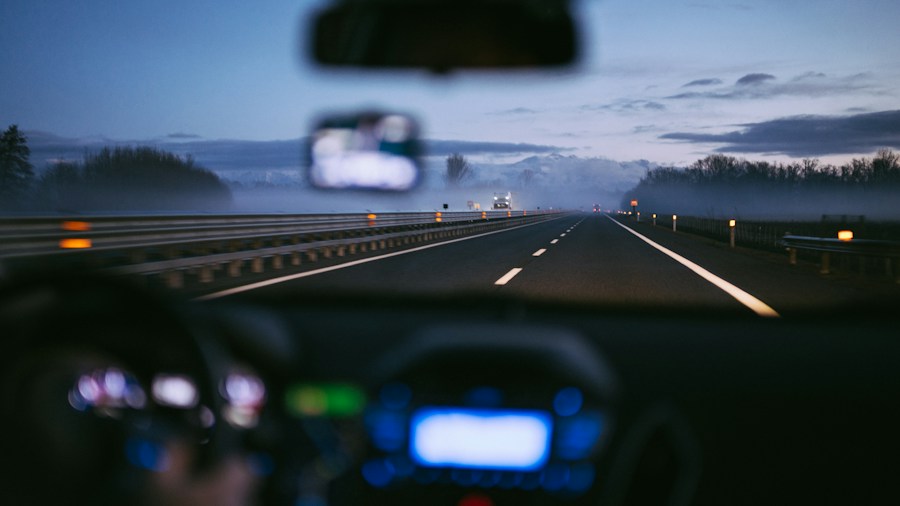
For consumers carrying cargo like roof-mounted bikes or other equipment, be aware that the back camera calibration can become problematic, particularly when traveling after dark. One workaround involved taping over the rear camera, an unconventional solution that highlights how aftermarket accessories and automation features can interact unpredictably.
The vehicle performed exceptionally well in terms of basic autonomous driving features when fully operational, maintaining proper lane positioning and executing passing maneuvers smoothly. For an 86-year-old driver, having reliable automation significantly reduced fatigue on multi-day driving marathons, though the unexpected outages created compensatory strain when manual control became necessary.
What This Means for Your Purchase Decision
If you are planning cross-country trips in a 2026 Model Y, expect generally positive performance with the caveat that Full Self Driving remains inconsistent. The improved range offers practical advantages over previous generations, and modern Superchargers deliver robust charging speeds. However, network congestion is increasing, so arriving at popular charging locations during peak periods may require short waits.
Plan for approximately three days to cover 1,500 miles when accounting for charging stops and the reality that Supercharger infrastructure is becoming busier. Consider your comfort level with periods of manual driving, as automation features can unexpectedly require manual intervention. The technology is improving, but it is not yet universally reliable for every situation across the entire driving network.


Write Your Review
No reviews yet. Be the first to share your experience!