

Two major highway shutdowns in just over two years have put a spotlight on electric semi truck safety, raising important questions for anyone considering a shift to battery-powered commercial vehicles. In January, a Tesla Semi caught fire on California’s Interstate 880, forcing a nearly ten-hour closure of southbound lanes. A similar incident occurred in August 2024 when another Tesla Semi ignited near Emigrant Gap, also requiring extensive firefighting efforts and road closures lasting many hours.
While these incidents have fueled debate about electric truck reliability, the full story is more complex. Understanding what happened reveals critical lessons about the difference between Silicon Valley innovation and century-old commercial trucking expertise, and what that gap means for buyers evaluating electric semis.
The Scale and Context Matter
Fire is not new to the trucking industry. The National Fire Protection Association reports that American fire departments respond to roughly 15,000 large truck fires annually, averaging about 40 diesel rig fires per day. Conventional diesel trucks experience fires from seized wheel bearings, blown turbochargers spraying oil on hot manifolds, and dragging brakes igniting tires. These are routine hazards that have been managed for decades.
However, the comparison becomes complicated when examining actual numbers. Approximately 4 million Class 8 diesel trucks operate on U.S. roads, compared to an estimated 150 to a few hundred early Tesla Semis. With such a small sample size, two catastrophic incidents carry disproportionate statistical weight, even if diesel truck fire rates remain proportionally higher overall.
The real difference lies in how these vehicles burn. Diesel fires typically respond to foam and conventional firefighting within 45 minutes, after which crews can clear the debris and reopen roads. When a battery pack exceeding 800 kilowatt-hours enters thermal runaway, the lithium-ion cells generate their own oxygen, creating a self-sustaining fire that requires tens of thousands of gallons of water applied for hours. First responders cannot simply extinguish it and leave; they must either cool the pack sufficiently to remove it or establish defensive positions while entire regions experience gridlock.
Why Established Trucking Companies Avoided These Problems

Freightliner and Volvo offer electric trucks too, yet their vehicles have not experienced similar catastrophic highway fires. The reason is not superior battery chemistry; both companies source lithium-ion cells from the same suppliers as Tesla and Nikola. Instead, the difference reflects institutional safety systems built over decades.
In 2023, Volvo and Mack filed safety recall notices covering hundreds of electric trucks due to manufacturing defects in battery packs supplied by their battery supplier. The defects included coolant lines that were not fully secured and over-torqued internal fasteners that could rattle loose, both creating short-circuit and fire risks. These same failure modes have threatened other electric semi programs.
The critical distinction is how quickly these companies responded. When a small fire broke out in a battery pack at a Volvo facility, the company did not attempt to hide the incident or issue a firmware patch. Instead, they issued immediate stop-ship orders, recalled trucks already on the road, filed defect notices with federal regulators, and opened battery packs in service bays for physical inspection and replacement. This institutional caution, developed through decades of scar tissue, caught the problem before it reached highways.
Design Philosophy Creates Safety Tradeoffs
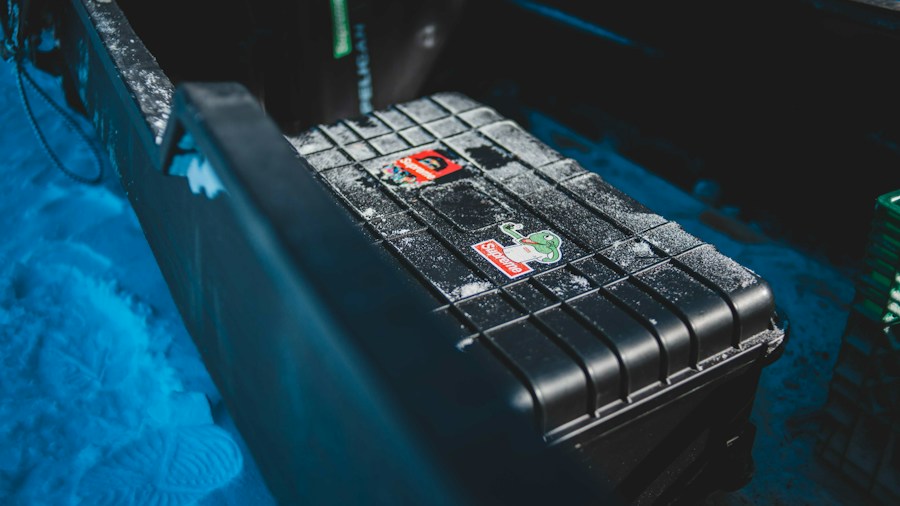
Tesla pursued maximum range and efficiency by building a massive, integrated structural battery pack sitting low between frame rails. This monolithic design maximizes energy density and minimizes weight, but if one section suffers internal failure, the entire pack faces risk. Volvo and Freightliner instead opted for smaller, modular battery enclosures hung from the outside of frame rails, similar to where diesel saddle tanks normally mount.
The modular approach sacrifices range and adds unnecessary weight compared to Tesla’s integrated design. However, it isolates battery modules from each other, containing damage if one module experiences mechanical damage or thermal events. The packs are physically separate, making inspection and replacement far simpler without dismantling the entire vehicle structure.
Startups including Tesla bring critical innovation to heavy trucking, pushing the industry toward megawatt charging and genuine long-range electric hauling. Tesla’s expansion into robotaxi technologies showcases the company’s broader transportation vision. But building commercial trucks that survive millions of miles over rough roads and unpredictable conditions requires understanding mechanical durability that only comes from experience.
What Buyers Should Take Away
For commercial fleet operators considering electric semis, these incidents underscore the importance of established safety protocols and proven service networks. Tesla continues refining production methods to improve reliability, but buyers should verify that any electric semi manufacturer has robust recall systems, extensive dealer networks, and institutional safety practices in place before committing to large fleet conversions.
The convergence of Silicon Valley’s battery expertise with traditional trucking’s durability knowledge represents the path forward. Until both worlds genuinely learn from each other, fire crews will likely face continued challenges on interstate highways. Experienced fleet operators should carefully evaluate safety records, service infrastructure, and design philosophy when selecting their next generation of trucks.








Write Your Review
No reviews yet. Be the first to share your experience!