

When you shop for tires, you likely notice a lot of technical jargon on sidewalls and product pages. Understanding what tire features actually do for your vehicle is key to making the right purchase decision. This guide breaks down the engineering behind modern tire design and the rating systems that help you compare options.
How Modern Tire Design Improves Performance
Today’s tires are far more sophisticated than rubber circles. Take summer performance tires, for example. They use continuous ribs of rubber that run along the tread surface to reduce tread squirm, which is the unwanted twisting and movement of rubber under braking and cornering forces. When tread squirms less, your steering feels more responsive and predictable, and your vehicle tracks better through turns.
Deep grooves carved into the tread pattern serve a critical function: they channel water away from where your tire contacts the road. This water evacuation is essential for maintaining grip on wet pavement and preventing hydroplaning. Meanwhile, tiny cuts in the rubber surface, called sipes, create additional edges that bite into wet roads. Modern tire compounds also use advanced rubber formulations that flex and conform to road texture, maximizing contact and grip in various conditions.
These design elements work together as a system. A tire might look stylish with its distinctive tread pattern, but every groove, rib, and sipe exists for a reason: to keep you safer and your vehicle more controllable.
Understanding Treadwear Grades and Traction Ratings
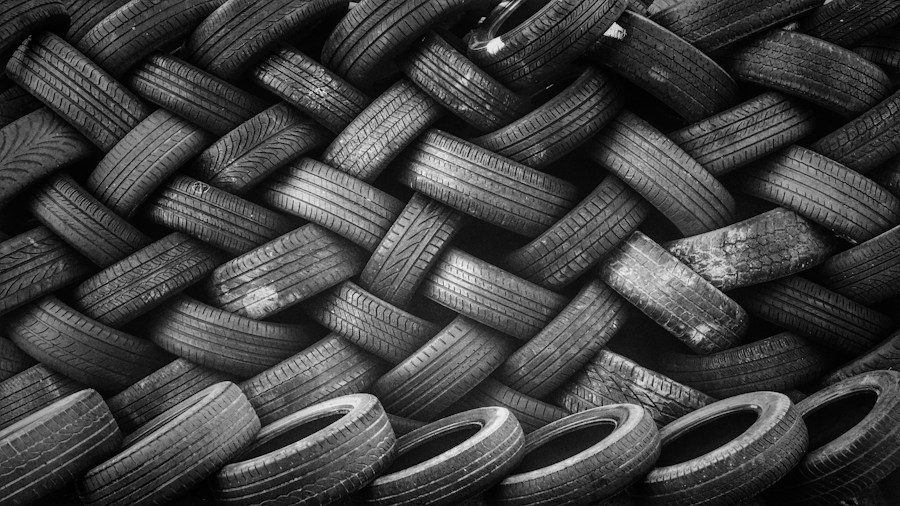
The sidewall of any tire displays a series of numbers and letters that seem cryptic at first glance. These standardized ratings give you concrete information about how a tire will perform. The treadwear grade, shown as a number like 400, 500, or 600, tells you how long the tread will last compared to a standard reference tire. A higher number means the tread wore more slowly during controlled testing conditions, suggesting the tire will last longer under normal driving.
However, treadwear grades are not mileage guarantees. Real-world tire life depends on many variables: your vehicle, your driving habits, road conditions, inflation levels, and alignment. Think of the treadwear grade as one data point in your decision, not the final word.
Traction ratings work differently. These letter grades, ranging from AA to C, measure how quickly a tire stops your vehicle on wet pavement during standardized tests. A tire rated AA provides superior wet braking compared to an A-rated tire, which outperforms a B-rated tire. Traction ratings are especially important if you drive in rainy climates or on wet roads frequently, since that’s where the grade was measured.
What This Means for Your Shopping Decision
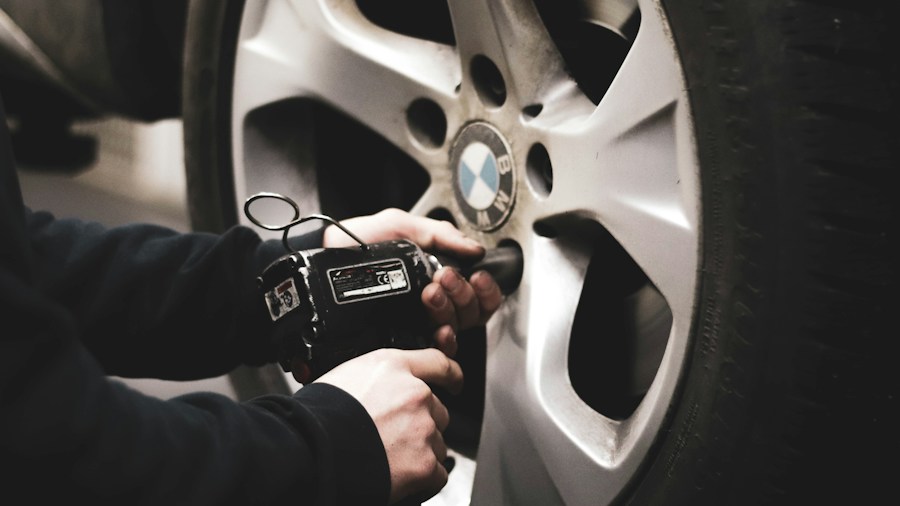
When you’re ready to buy tires, use these ratings as part of your overall evaluation. Start by considering your vehicle type, your typical driving conditions, and your personal priorities. Do you value long tire life, superior wet weather grip, or fuel efficiency? Different tire designs emphasize different strengths.
Talk to your tire retailer or mechanic about which tires make sense for your specific vehicle and driving style. Smart tire inspection technology at dealerships can also help identify which tires are best suited to your vehicle’s alignment and suspension setup. A tire that’s excellent for one driver might not be the best choice for another.
It’s also worth asking about seasonal options. Summer tires, winter tires, and all-season tires are engineered for different temperature ranges and driving conditions. Matching the tire to the season and climate where you live has a bigger impact on safety than picking the most durable option available.
The Importance of Proper Maintenance
Even the best tire won’t perform as designed if it’s neglected. Check your tire pressure monthly and before long trips. Underinflated tires wear faster and generate heat, while overinflated tires wear in the center and reduce grip. Rotate your tires every 5,000 to 8,000 miles to ensure even wear across all four wheels.
Alignment is another critical factor. Poor alignment causes uneven tread wear that can cut tire life in half. Major tire distributors now offer expanded services to make it easier to find quality tires and maintenance support in your area, so getting a professional alignment check is more accessible than ever.
By understanding tire design principles, interpreting sidewall ratings correctly, and maintaining your tires properly, you’ll get better performance, longer tread life, and improved safety. Take time to research your options, and don’t hesitate to ask questions when you’re purchasing new tires. Your investment in quality tires pays dividends in reliability and peace of mind.










Write Your Review
No reviews yet. Be the first to share your experience!