

Indian Motorcycle Announces Major Staffing Shift in Iowa
Indian Motorcycle, now operating independently following its separation from Polaris, has announced significant changes to its workforce structure. The company is simultaneously reducing its payroll while also investing in new manufacturing talent at its Spirit Lake, Iowa headquarters. This combination of layoffs and hiring reflects the brand’s strategic repositioning as it establishes itself as a standalone operation focused on American-made motorcycles.
The numbers might seem contradictory at first glance: approximately 70 employees are being let go while the company plans to hire roughly 70 new workers. However, the breakdown reveals a deliberate shift in how the organization operates. The majority of new positions, around 60 openings, will be manufacturing roles at the Iowa facility. An additional 10 positions are administrative and corporate roles, many designed to replace functions previously handled by Polaris staff who remained with the parent company after the sale.
What This Restructuring Means for Production
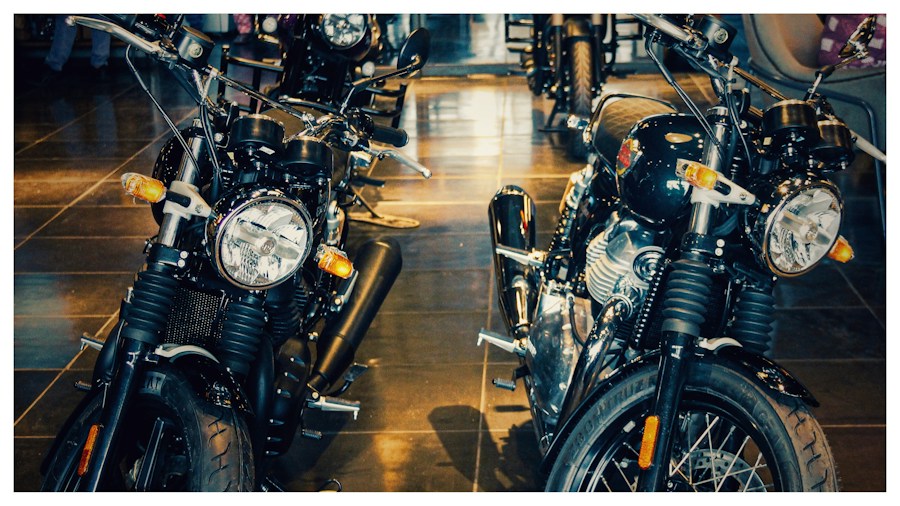
Chief Executive Officer Mike Kennedy outlined the company’s reasoning in an official statement, emphasizing that strengthening manufacturing capabilities at the American facility remains central to the brand’s long-term vision. The expansion of the Iowa plant’s production capacity suggests Indian Motorcycle is confident in demand for its motorcycles and intends to build more bikes domestically rather than relying on outsourced production or inherited infrastructure.
For consumers, this focus on manufacturing expansion could translate to more consistent availability of current models and potentially faster development cycles for new products. A company that controls its own production can respond more quickly to market demands and customer preferences. The investment in Iowa also underscores a commitment to the “Made in America” positioning that many motorcycle enthusiasts value.
That said, the elimination of approximately 70 positions represents a significant reduction elsewhere in the organization. The company characterized these as “difficult organizational decisions,” acknowledging that employees affected by the cuts have contributed meaningfully to the brand’s history. Leadership expressed commitment to treating departing workers with respect and care, though specific details about severance packages or transition support were not disclosed.
The Broader Picture of Independence

This restructuring arrives roughly a year after Indian Motorcycle was sold by Polaris, marking a critical moment for the storied brand. Under new ownership, the company is essentially building its own complete operational structure separate from its former parent. This includes marketing, product development, administrative functions, and supply chain management that were previously shared with Polaris.
The shift in workforce composition reflects this independence. Positions that were previously performed by Polaris employees supporting Indian Motorcycle now need dedicated staff working directly for the brand. Simultaneously, the company is doubling down on what it believes sets it apart: manufacturing quality motorcycles in the United States.
Buyers interested in the latest technology trends might also want to explore how other manufacturers are innovating. For instance, companies like Kawasaki are developing hydrogen motorcycle technology to meet future environmental standards. Meanwhile, riders looking to enhance their safety should consider advanced AR helmet systems designed for modern riders, and helmet manufacturers continue introducing smart features like auto-darkening visors in 2027 models.
What Buyers Should Expect
For potential motorcycle purchasers, this restructuring presents both positive and cautionary signals. The positive side: a brand investing in American manufacturing, dedicated staff focused solely on Indian Motorcycle success, and operational independence that should enable faster decision-making. The cautionary side: any major organizational transition carries risk, and losing experienced employees, regardless of their department, can temporarily affect operations or product quality if not managed carefully.
The company’s leadership appears confident in the strategy, framing the changes as necessary steps toward sustainable profitability and growth. Whether this reorganization delivers those results will become clearer over the coming months as new hires are trained and integrated into the Iowa facility and corporate offices.
Consumers shopping for American-made motorcycles should monitor how these changes affect product availability, delivery timelines, and new model releases over the next year. The expansion of manufacturing jobs suggests increased production capacity, which could mean shorter wait times and better inventory levels for popular models. At the same time, any transition period in an organization can introduce temporary disruptions.





Write Your Review
No reviews yet. Be the first to share your experience!